IT Security Solutions for Businesses: Protecting Your Digital Assets

Introduction
In the digital age, businesses of all sizes face a growing threat: cyber attacks. From ransomware to phishing, the risks are real and the stakes are high. Implementing robust IT security solutions for businesses isn’t just a precaution; it’s a necessity. This article will guide you through the essential steps to protect your digital assets and maintain the trust of your customers and partners.
Key Takeaways
- Understanding the importance of a layered security approach.
- Implementing strong access controls and authentication methods.
- Choosing the right security software and hardware solutions.
- Training employees on best security practices.
- Regularly updating and patching systems to stay ahead of threats.
Understanding IT Security Solutions
IT security solutions for businesses encompass a range of strategies and tools designed to protect an organization’s digital assets from unauthorized access, theft, and damage. These solutions can be broadly categorized into software, hardware, and processes. Each component plays a crucial role in building a comprehensive security framework.






Types of IT Security Solutions
1. Software Solutions
Software solutions include antivirus and antimalware programs, firewalls, and intrusion detection systems (IDS). These tools help detect and prevent malicious activities by scanning and filtering traffic, identifying suspicious patterns, and blocking unauthorized access.
2. Hardware Solutions
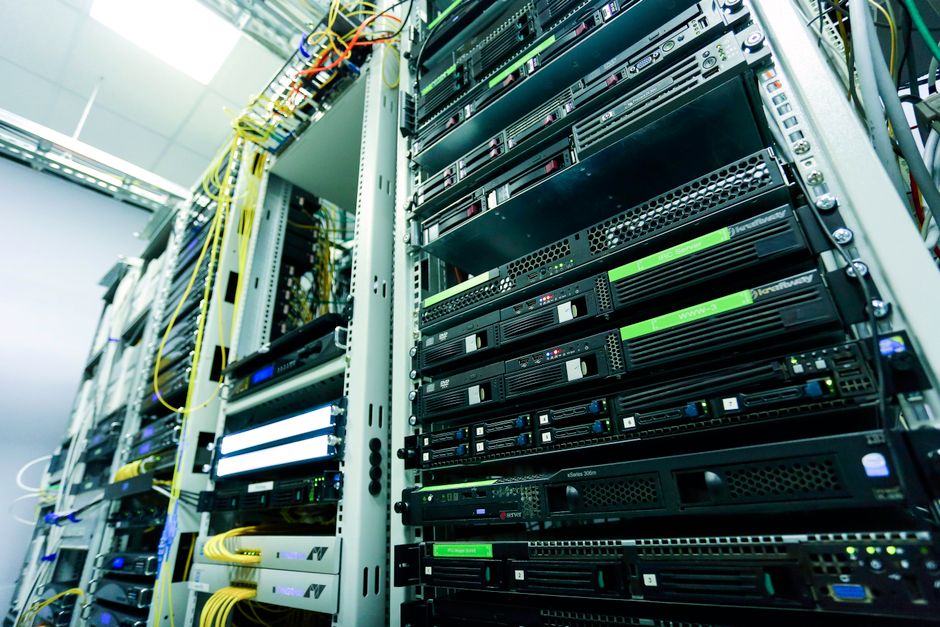
Hardware solutions such as firewalls, routers, and secure servers are essential for creating a physical barrier against cyber threats. These devices can be configured to enforce security policies and control network traffic, ensuring that only trusted sources can access sensitive data.
3. Process Solutions
Process solutions involve the implementation of policies and procedures that guide how an organization manages its IT security. This includes employee training, incident response plans, and regular security audits. These processes ensure that everyone in the organization is aware of the importance of security and knows how to act in the event of a breach.
The Importance of a Layered Security Approach
A single security solution is rarely enough to protect a business from the myriad of threats it faces. A layered security approach involves using multiple security measures to create multiple barriers against attacks. This strategy is based on the principle that if one layer is compromised, the others can still provide protection.
Example: A business might use a firewall to block unauthorized access, an intrusion detection system to monitor for suspicious activity, and an antivirus program to scan for malware. Together, these layers work to create a robust defense against cyber threats.
Choosing the Right IT Security Solutions
Selecting the right IT security solutions for businesses requires careful consideration of your specific needs and the unique challenges your organization faces. Here are some key factors to consider:
Budget
Budget constraints can significantly impact the types of solutions you can implement. While it’s important to allocate sufficient resources to security, it’s also crucial to find cost-effective solutions that provide the necessary protection. Free and open-source options can be a viable alternative for small businesses.
Scalability
Your IT security solutions should be scalable to accommodate the growth of your business. As your organization expands, your security needs will evolve. Choose solutions that can scale with you without requiring a complete overhaul of your existing systems.
Integration
The ability to integrate with existing systems and infrastructure is another important consideration. Solutions that work seamlessly with your current setup can reduce complexity and minimize disruptions during implementation.
Maintenance and Support
Ongoing maintenance and support are essential for ensuring that your IT security solutions remain effective. Look for providers that offer robust support services, including regular updates and patches to address emerging threats.
Implementing Strong Access Controls
Access controls are a critical component of any IT security strategy. By implementing strong access controls, you can ensure that only authorized individuals can access sensitive data and systems. Here are some best practices to follow:
Least Privilege Principle
Adopt the principle of least privilege, which means granting users only the access they need to perform their job functions. For example, an employee in the marketing department doesn’t need access to the financial records of the company.
Multi-Factor Authentication (MFA)
MFA adds an extra layer of security by requiring users to provide multiple forms of verification before accessing sensitive resources. This can include something they know (password), something they have (smart card), and something they are (biometric data).
Regular Audits
Conduct regular audits to ensure that access controls are being enforced and that there are no unauthorized access attempts. Audits can help identify vulnerabilities and ensure compliance with security policies.
Training Employees on Best Security Practices
One of the weakest links in any IT security strategy is the human element. Employees can unintentionally compromise security through actions such as clicking on phishing links or using weak passwords. Training employees on best security practices is essential for reducing these risks.
Security Awareness Programs
Implement a security awareness program that educates employees about common threats and how to avoid them. Topics to cover include recognizing phishing attempts, creating strong passwords, and the importance of keeping software up to date.
Simulated Phishing Attacks
Conduct simulated phishing attacks to test employees’ awareness and response. These exercises can help identify areas where additional training is needed and reinforce the importance of security.
Incident Reporting
Encourage employees to report any suspicious activity or potential security incidents. By creating a culture of vigilance, you can quickly identify and respond to threats before they cause significant damage.
Regularly Updating and Patching Systems
Keeping your systems up to date is one of the most effective ways to protect against cyber threats. Regular updates and patches address known vulnerabilities and improve the overall security of your infrastructure.
Automated Updates
Enable automated updates for all your systems, including operating systems, applications, and security software. This ensures that you are always running the latest versions, which are less likely to be exploited.
Regular Patch Management
Implement a regular patch management process to ensure that all systems are patched in a timely manner. This includes testing patches before deployment to avoid compatibility issues.
Security Patching Policies
Develop and enforce security patching policies that outline the procedures for identifying, testing, and deploying patches. This helps ensure that all systems are consistently updated and secure.
Comparison of IT Security Solutions
Choosing the right IT security solutions can be overwhelming, especially with the wide variety of options available. Here’s a comparison table to help you make an informed decision:
| Solution | Pros | Cons | Best For |
|---|---|---|---|
| Firewall | Blocks unauthorized access, easy to implement | May not detect sophisticated threats, can be bypassed | Small to medium businesses looking for basic protection |
| Antivirus Software | Detects and removes malware, real-time protection | Can slow down systems, frequent updates required | Any business looking for malware protection |
| Intrusion Detection System (IDS) | Monitors for suspicious activity, can detect advanced threats | May generate false positives, requires skilled personnel to manage | Large enterprises with complex IT environments |
| Multi-Factor Authentication (MFA) | Enhances security, reduces risk of unauthorized access | Can be cumbersome for users, initial setup costs | Any business with sensitive data or high security requirements |
| Security Information and Event Management (SIEM) | Centralizes security data, provides real-time alerts | Complex to set up, requires significant resources | Large organizations with multiple security systems |
Editorial Insight
“The best IT security strategy is one that evolves with your business. Stay informed about the latest threats and be proactive in implementing new solutions as needed. Security is a journey, not a destination.”
FAQ
What are the most common IT security threats faced by businesses?
Common IT security threats include malware, phishing, ransomware, and insider threats. Each of these threats can compromise the integrity, confidentiality, and availability of your data.
How can businesses protect against ransomware attacks?
To protect against ransomware, businesses should implement robust backup solutions, use antivirus software, and educate employees on how to recognize and avoid phishing attempts. Regularly updating systems and applying patches can also help prevent ransomware from exploiting vulnerabilities.
What is the role of employee training in IT security?
Employee training plays a critical role in IT security by educating staff on best practices, recognizing threats, and reporting suspicious activity. Well-trained employees can significantly reduce the risk of security breaches caused by human error.
How often should businesses update their IT security solutions?
Businesses should update their IT security solutions regularly, ideally using automated update mechanisms. This ensures that all systems are running the latest versions and are protected against the latest threats.
What are the benefits of using multi-factor authentication (MFA)?
MFA enhances security by requiring multiple forms of verification, making it much more difficult for unauthorized users to gain access. It reduces the risk of password theft and improves the overall security posture of an organization.
Conclusion
Implementing effective IT security solutions for businesses is no longer optional; it’s a necessity in today’s digital landscape. By adopting a layered security approach, choosing the right solutions, and training your employees, you can significantly reduce the risk of cyber threats and protect your valuable assets. Remember, security is an ongoing process, and staying informed and proactive is key to keeping your business safe.