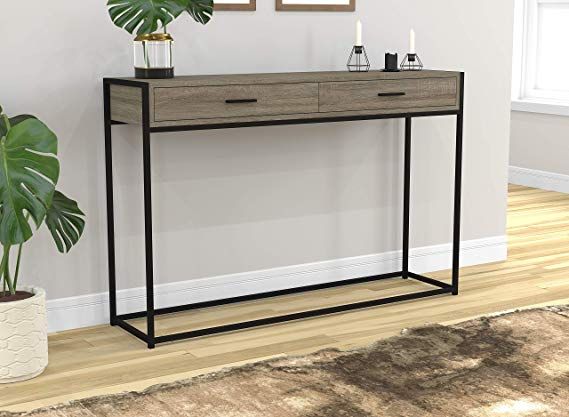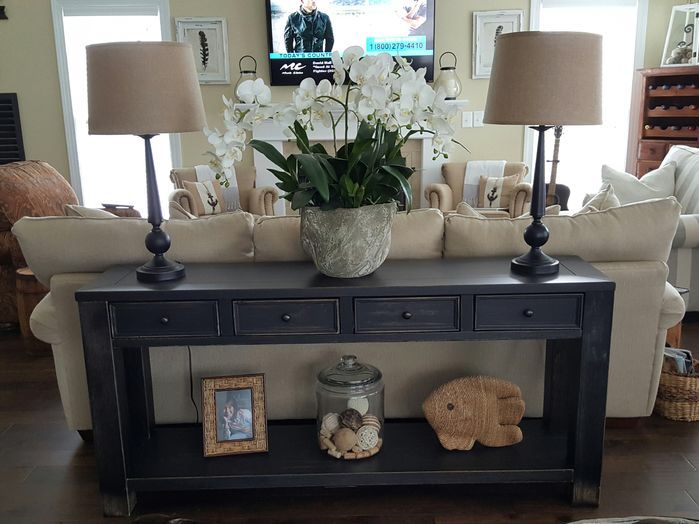
Ah, the humble console table. Often overlooked, sometimes misunderstood, yet undeniably one of the most versatile and impactful pieces of furniture you can introduce into your home. It’s not just a surface; it’s a silent workhorse, a design chameleon, and a space-saving superstar, especially when it comes to transforming your living room or making a grand statement in your entryway. Let’s be honest, we all crave a home that feels put-together, functional, and reflective of our personal style, right? And guess what? This slender, elegant table is your secret weapon to achieving precisely that.

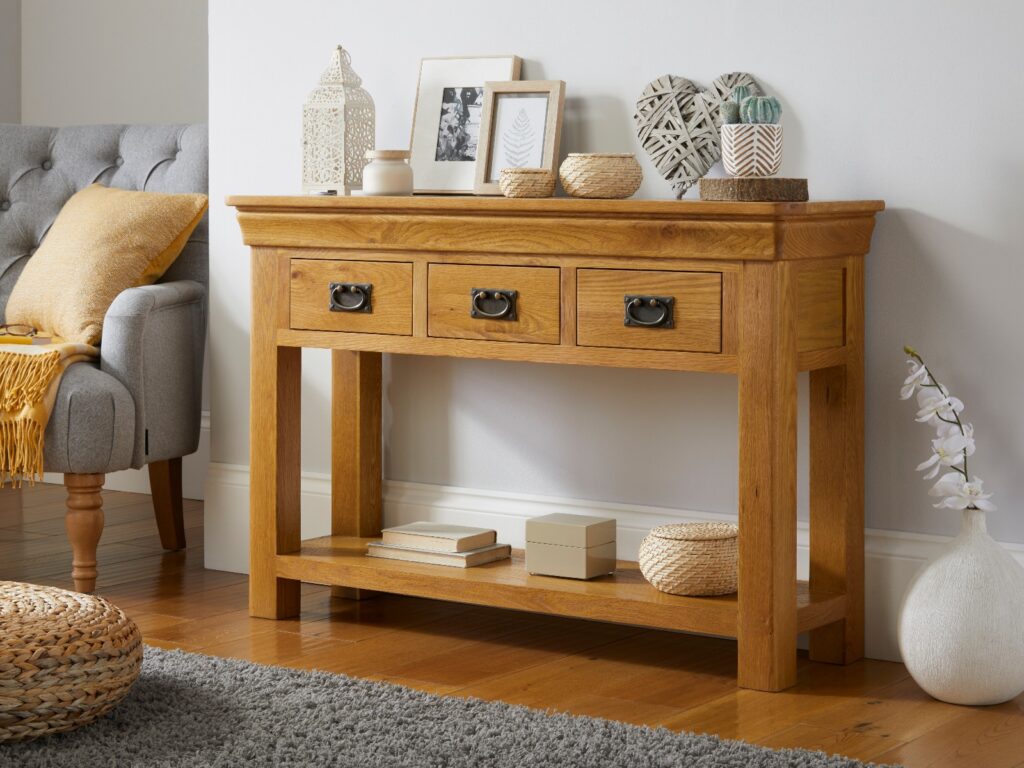
For centuries, these magnificent pieces have graced grand halls and cozy nooks alike, evolving from purely decorative wall-huggers to multi-functional marvels. Today, a well-chosen console table can anchor a room, provide much-needed storage, showcase your favorite decor, and even define different zones within an open-concept living space. Its magic lies in its slim profile and adaptability. Whether you’re battling the endless quest for an organized entryway or striving to add a touch of sophistication behind your living room sofa, understanding the power of a console table is the first step towards a more beautiful and functional home.


What Exactly is a Console Table, Anyway?
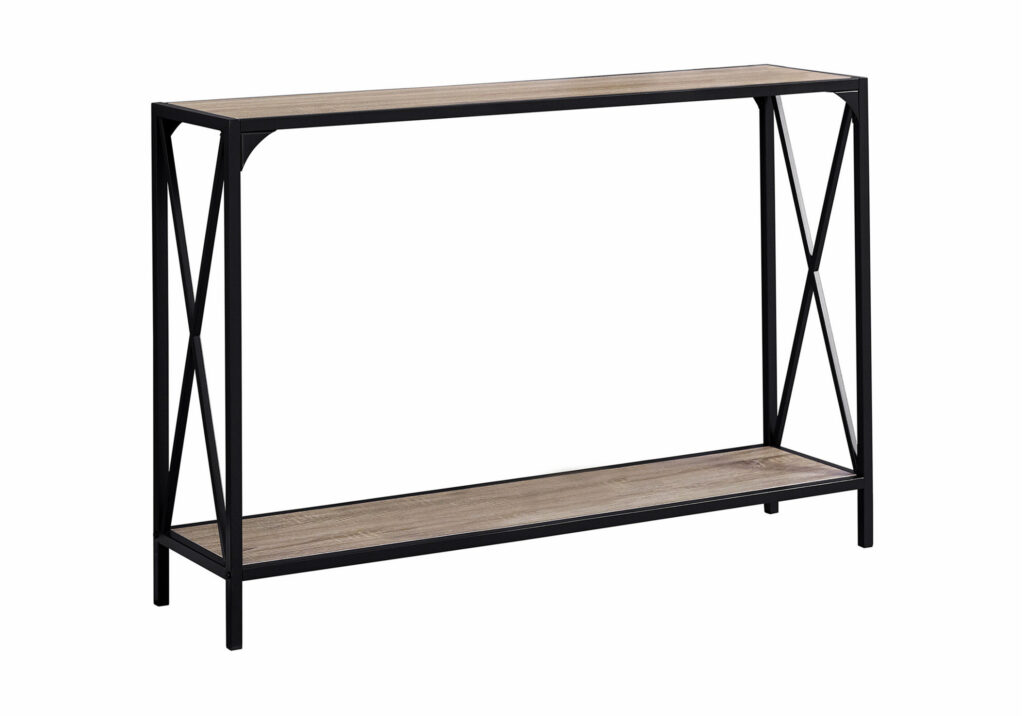
Before we dive deep into its various applications, let’s clarify what we’re talking about. A console table, sometimes called a sofa table or a hall table, is typically a long, narrow table designed to sit against a wall or the back of a sofa. Its defining characteristic is its shallow depth, making it ideal for spaces where a bulkier piece of furniture would be impractical or would obstruct traffic flow. Historically, they were often semi-circular or rectangular, supported by ornate legs and attached to the wall. Fast forward to today, and while the ornate designs still exist, the modern console has embraced a vast array of styles, materials, and functionalities, making it a truly democratic piece of interior design.
Think about it: its slender form allows it to slide into tight spots, transforming otherwise dead space into a vibrant, purposeful area. From offering a convenient spot to drop your keys as you walk in the door to providing an elegant display surface for cherished mementos, this furniture item is all about smart design and maximizing every square inch of your abode. It’s the understated hero that quietly elevates your home’s aesthetic and practical appeal, often without you even realizing how much you rely on it until it’s perfectly in place.
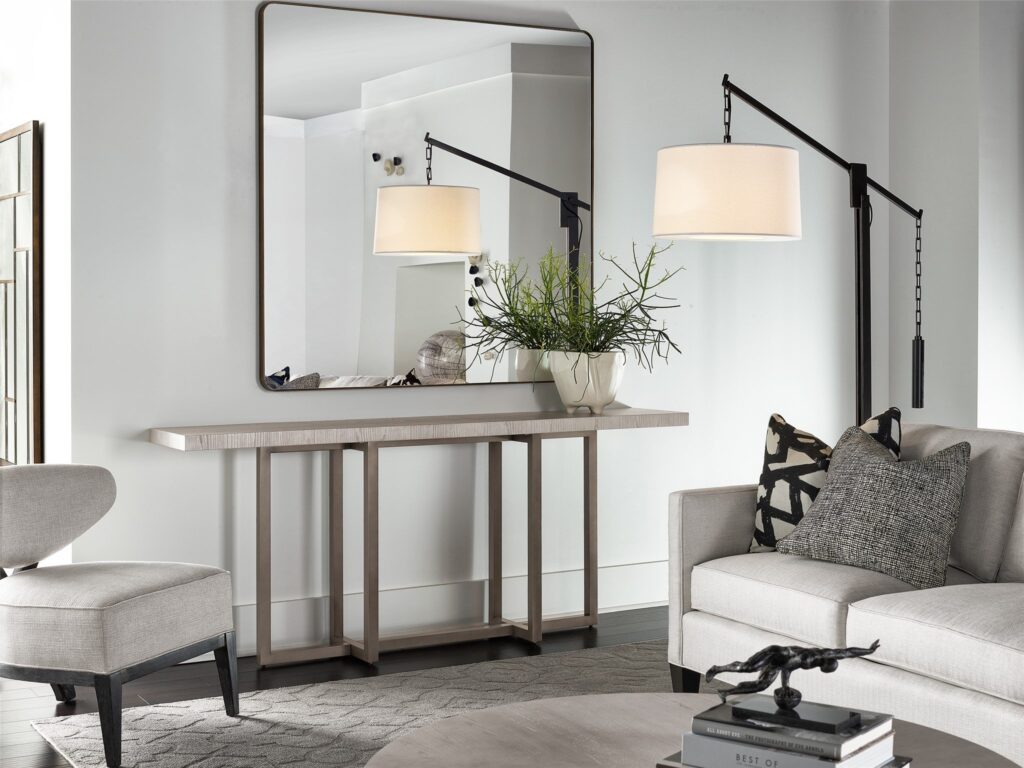
The Console Table: A Must-Have for Your Living Room
When most people think of living room furniture, they picture sofas, armchairs, coffee tables, and entertainment centers. But the savvy decorator knows that the console table holds a special, often underestimated, place here. It’s not just an afterthought; it’s a strategic design element that can solve a multitude of problems and inject personality into your most communal space.
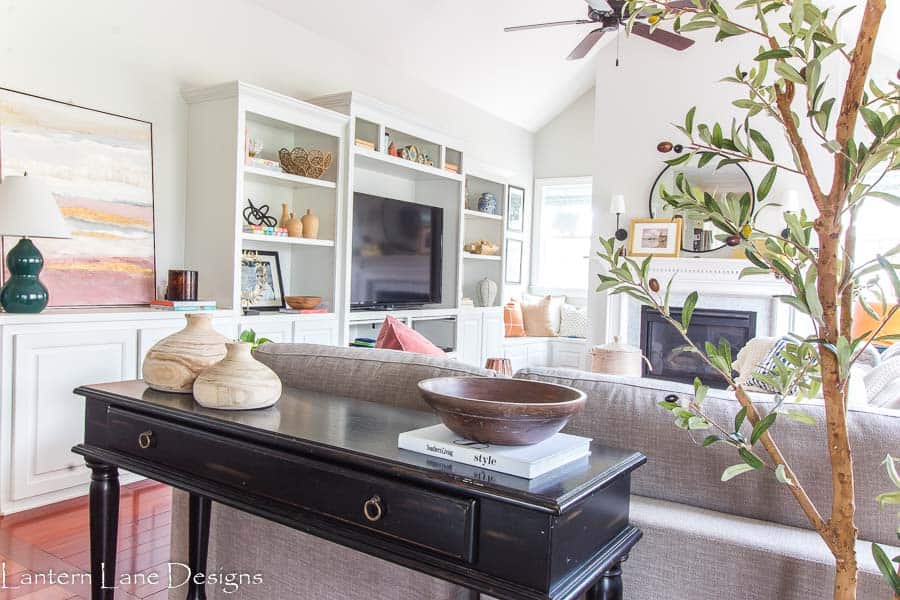
Space Optimization and Visual Flow
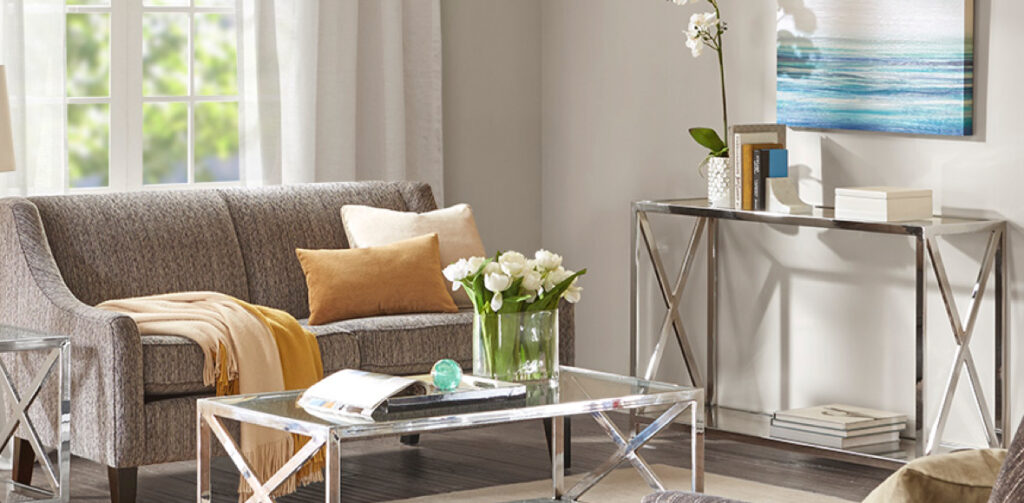
Let’s talk about space, particularly in apartments or smaller homes where every square foot counts. A large coffee table can sometimes feel overwhelming, but a console table offers valuable surface area without the bulk. Placed against an empty wall, it transforms a blank canvas into a curated display. But its true genius often shines when positioned behind a sofa, especially one that floats in the middle of a room. This placement instantly defines the sofa as a focal point, grounding it and creating a seamless visual transition to the rest of the room. It also provides a perfect spot for ambient lighting (hello, table lamps!) and a convenient surface for drinks, remote controls, or a good book, keeping your coffee table clutter-free. It’s a game-changer for maintaining an open, airy feel while still maximizing utility.
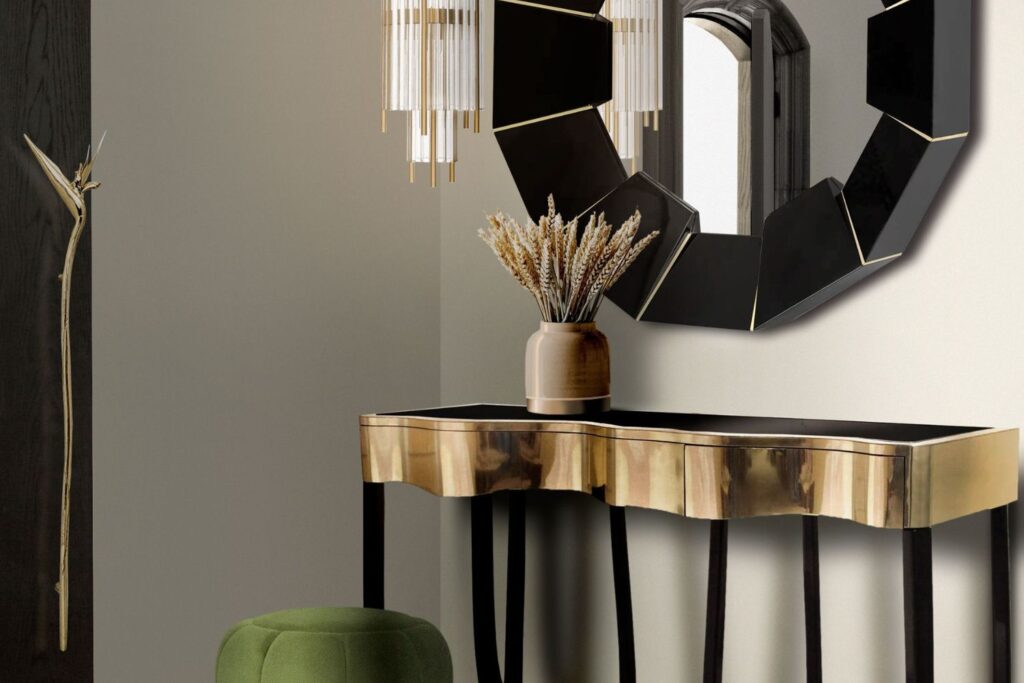
Style Enhancement and Creating Vignettes
Beyond its practical advantages, a console table in the living room is a prime stage for showcasing your style. It’s an opportunity to create a stunning vignette – a small, artful display of decorative items that tell a story about you. Think about combining different textures and heights: a stack of beautifully bound books, a sculptural vase with fresh flowers, a framed photograph, or a unique piece of art. This curated collection instantly adds personality and warmth, turning a potentially sterile corner into a captivating point of interest. It’s like having a miniature art gallery right in your living space, constantly evolving with your moods and discoveries.

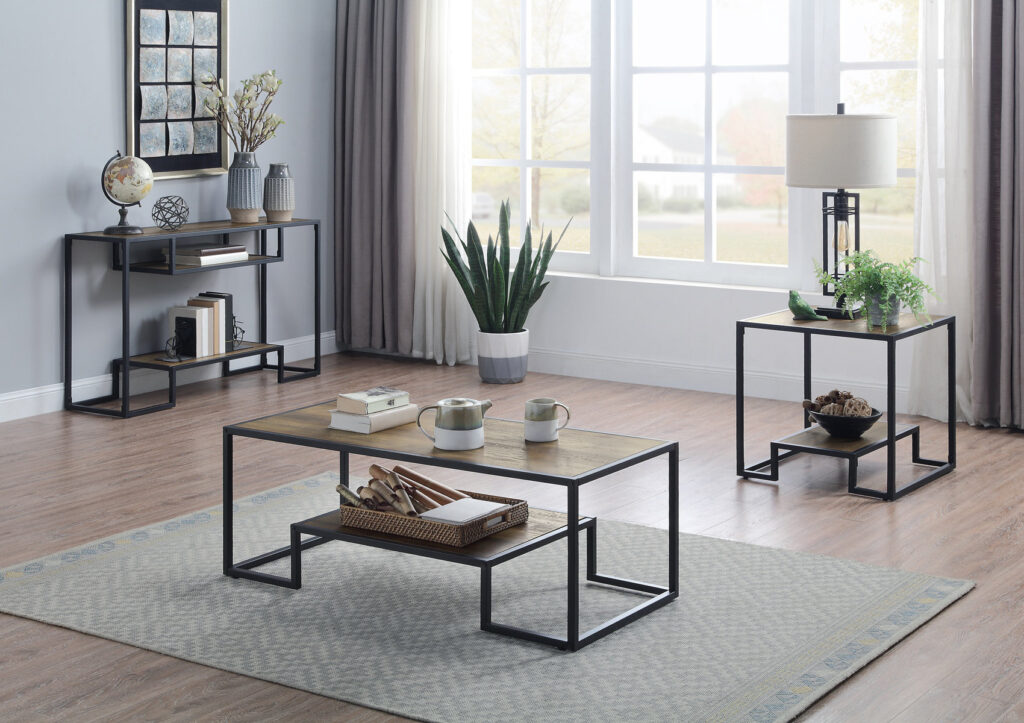
Functional Zones and Media Solutions
In open-plan living arrangements, defining different zones can be a challenge. A console table positioned strategically can act as a subtle room divider, signaling the shift from a dining area to a lounge space without erecting physical barriers. It creates a sense of separation while maintaining an open, connected feel. Furthermore, for those who prefer a minimalist approach to their entertainment setup, a sleek console can serve as an elegant alternative to a bulky TV stand. Its narrow depth ensures it doesn’t protrude too far into the room, maintaining a streamlined look while still offering a surface for a soundbar, remote controls, or a discreet media player. It truly is the unsung hero of adaptable furniture.

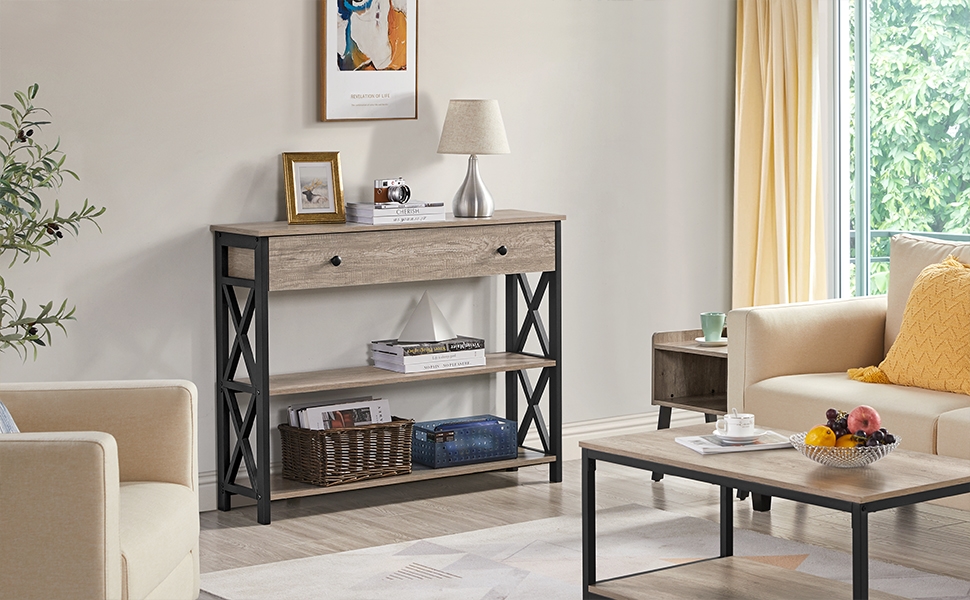
A Grand Welcome: The Console Table in Your Entryway
If there’s one place where a console table truly earns its keep, it’s the entryway. This is the first impression visitors get of your home, and it’s also the drop zone for all the daily essentials we carry. A well-placed console here isn’t just decorative; it’s a foundational piece for organization, aesthetic appeal, and making a welcoming statement.

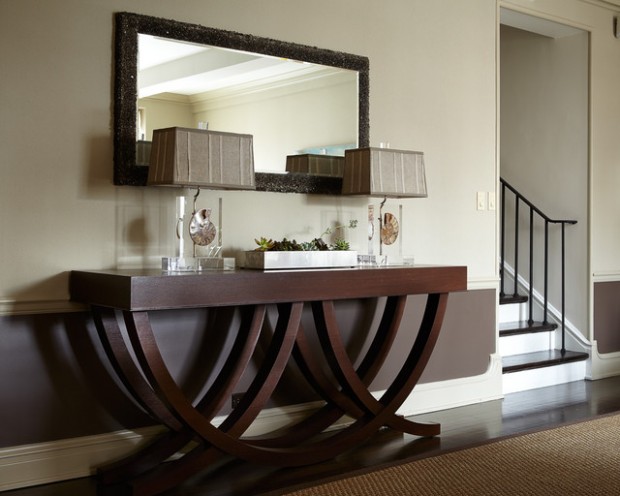
First Impressions Matter: Setting the Tone
Your entryway or foyer is the handshake of your home. It’s the transition point from the outside world to your personal sanctuary. A console table instantly elevates this space from a mere passage to a thoughtfully designed welcome area. It provides a focal point, inviting guests to pause and appreciate the curated beauty of your home from the moment they step inside. This is where you can truly express your hospitality and design flair, setting the mood for what lies beyond. A beautifully styled console table whispers, “Welcome, make yourself at home.”
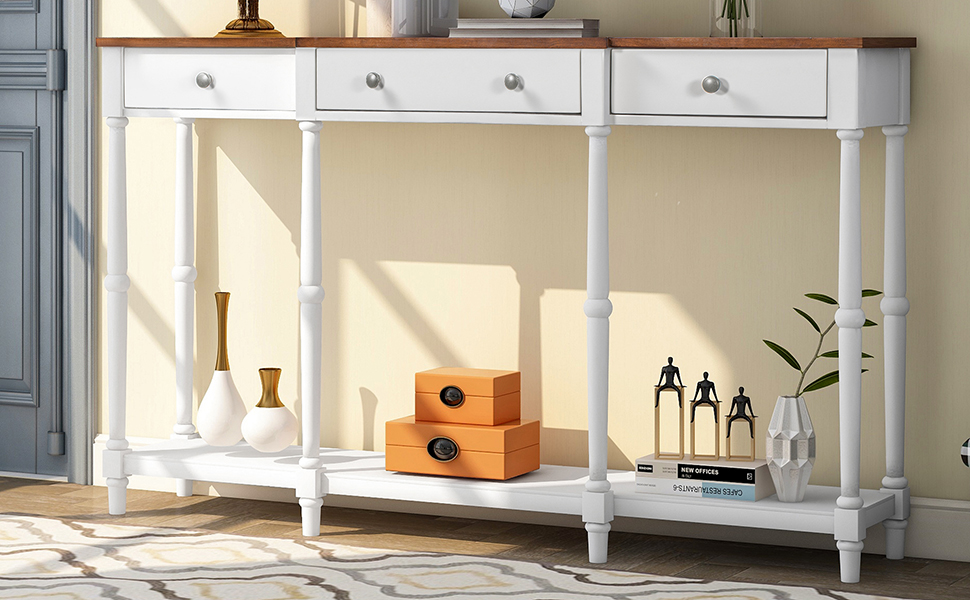
The Ultimate Drop Zone for Daily Essentials
We’ve all been there: fumbling for keys, searching for mail, or needing a quick place to set down our bag after a long day. An entryway console table is the answer to this daily dilemma. It offers an immediate and designated spot for keys, wallets, sunglasses, mail, and other small items that tend to accumulate. No more frantic searches before heading out the door! Adding a decorative tray or a small bowl on its surface keeps these essentials neatly contained and easily accessible, transforming potential clutter into organized convenience. It’s about making your daily routines smoother and less stressful.

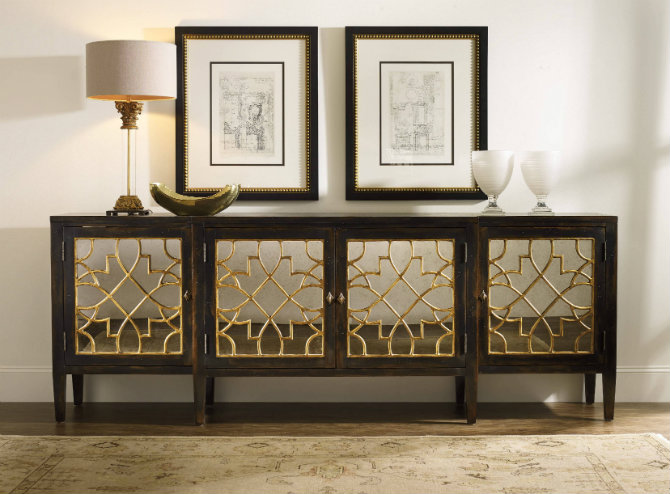
Storage Solutions and Decorative Display
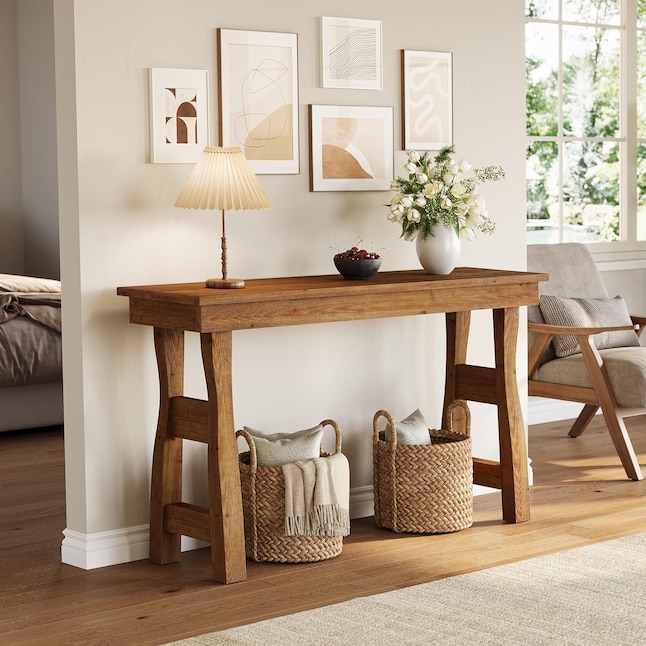
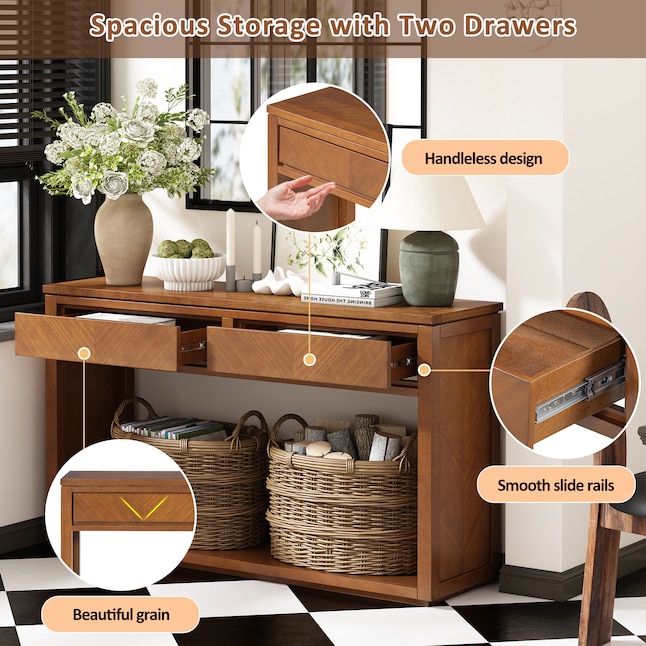
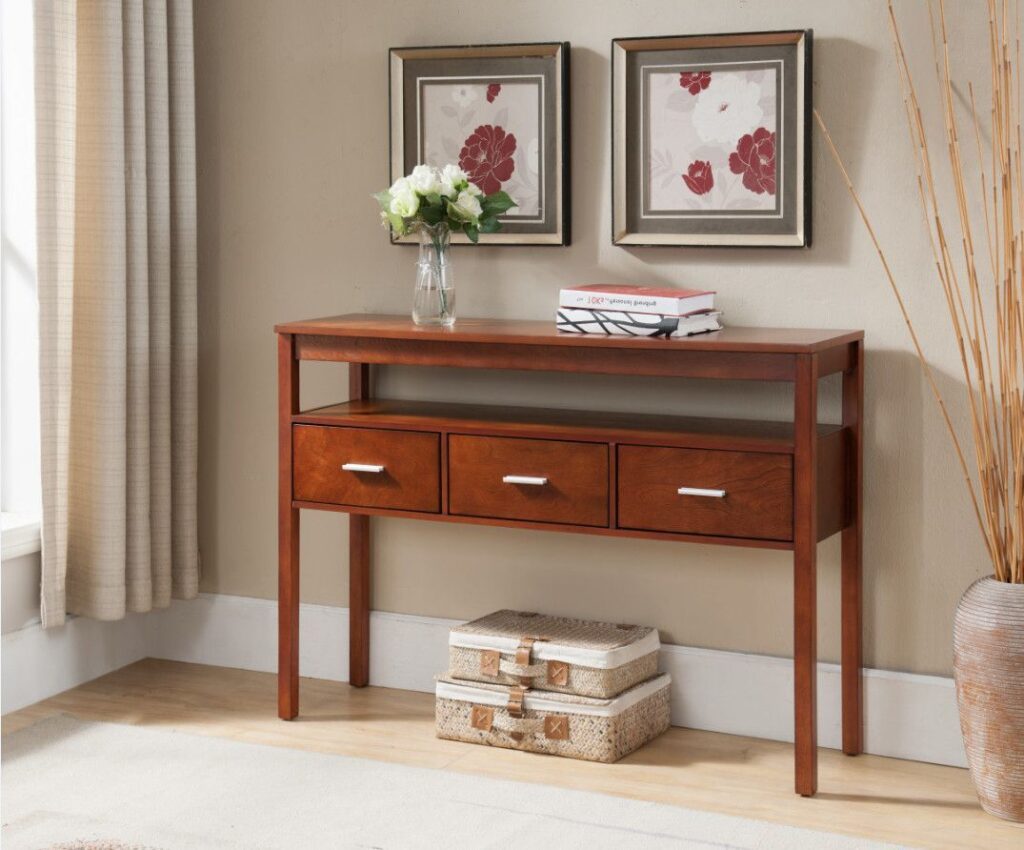
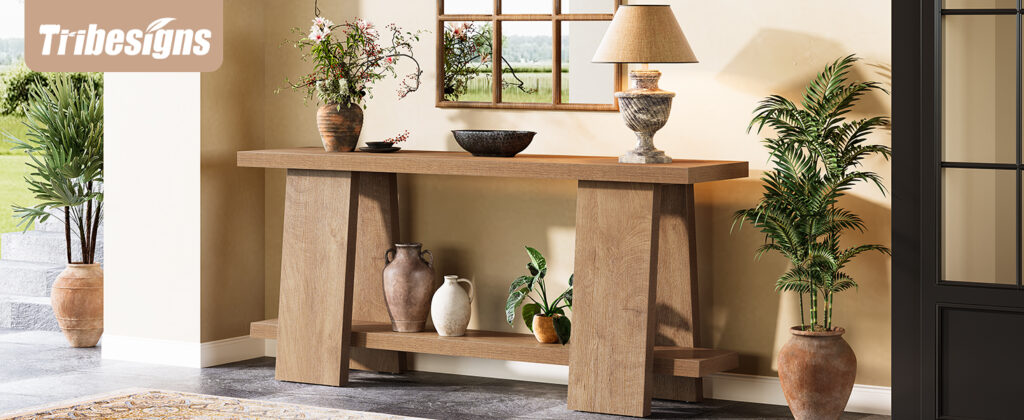
Depending on its design, an entry console table can also be a discreet storage solution. Models with drawers are perfect for stashing away mail, pet leashes, or gloves. Those with lower shelves provide an excellent spot for baskets to hold shoes, scarves, or umbrellas, keeping your entryway tidy and trip-hazard-free. And just like in the living room, it’s a fantastic spot for decorative elements. A statement lamp not only provides ambient light but also adds height and visual interest. A large mirror above the console can visually expand a narrow entryway and offers a last-minute spot to check your appearance before stepping out. Add a small plant or a scented candle, and you’ve created an inviting atmosphere that smells as good as it looks.

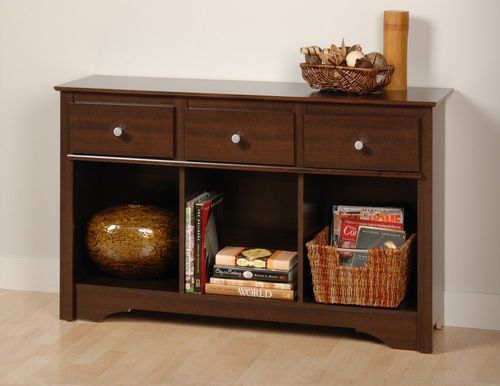
Choosing the Perfect Console Table for Your Space
Now that we’re convinced of the console table’s indispensable nature, how do you go about selecting the right one? With so many styles, materials, and sizes available, it can feel a little overwhelming. But fear not, by considering a few key factors, you’ll be well on your way to finding the ideal accent table that perfectly complements your home and meets your specific needs.

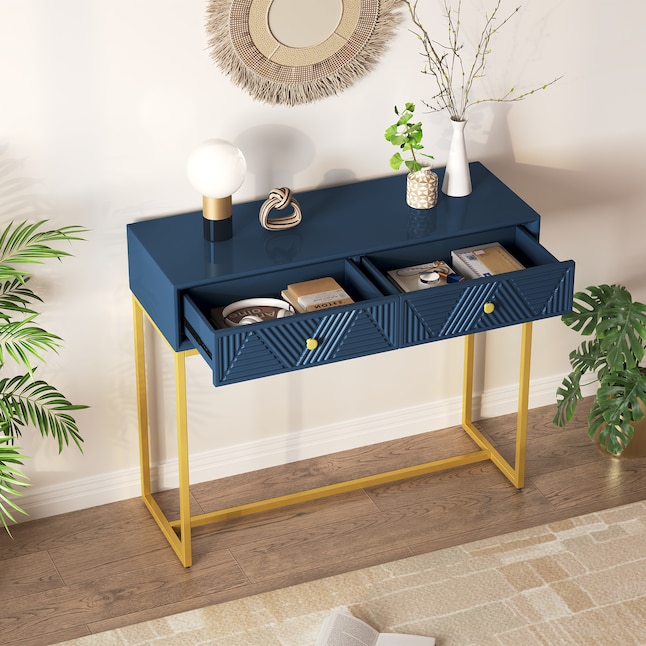
Measure, Measure, Measure: Understanding Dimensions
This is perhaps the most crucial step. Before you even start browsing, grab a measuring tape. Consider:
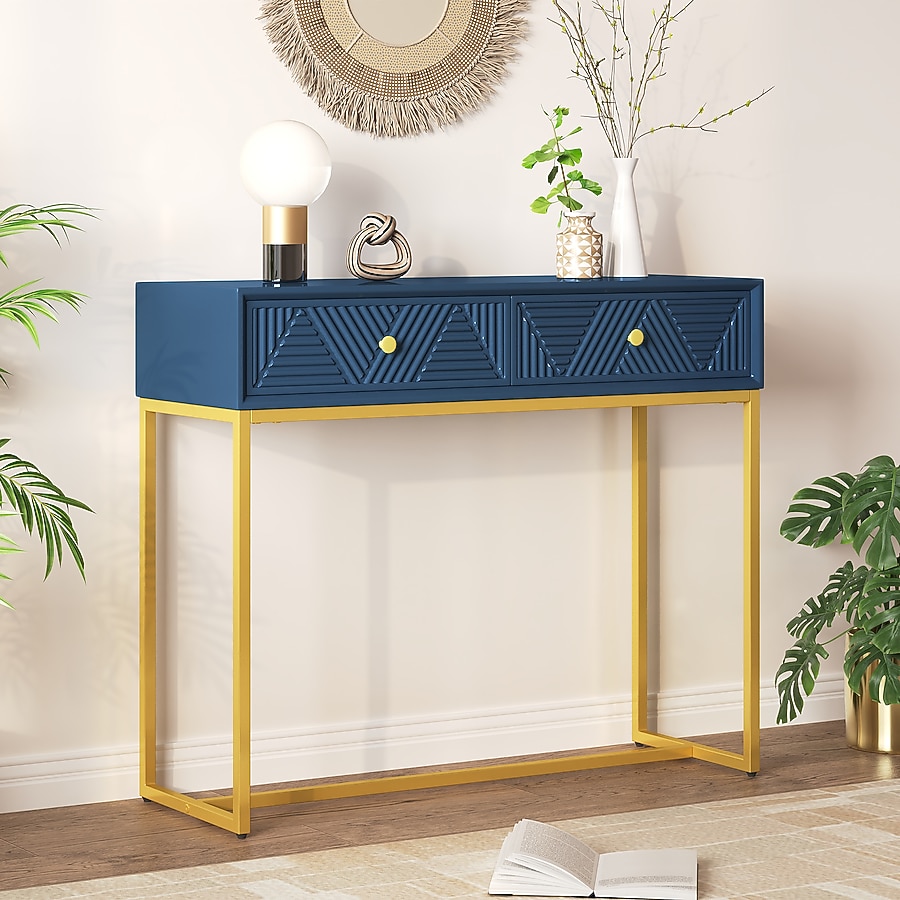
- Length: For an entryway, aim for a table that fills about two-thirds to three-quarters of the wall space it occupies. For behind a sofa, it should ideally be no longer than the sofa itself, and often a bit shorter.
- Depth: This is the console table’s superpower. Ensure it’s shallow enough not to impede traffic flow in your entryway or hallway, usually between 12 and 18 inches. In a living room, behind a sofa, you have a bit more leeway but still want it to look proportionate.
- Height: Generally, console tables are about 28 to 34 inches tall. For behind a sofa, it should be no taller than the back of the sofa, preferably a couple of inches shorter. In an entryway, consider what you’ll place on it – a lamp, a mirror – and ensure the overall composition feels balanced.
Mark out the dimensions on the floor with painter’s tape to visualize how it will fit in your actual space. This simple trick can save you a lot of headaches later on.
Define Your Style and Aesthetic
Your console table should seamlessly integrate with your existing decor while also adding its own distinct character. Think about the overall aesthetic of your home:

- Modern/Minimalist: Look for clean lines, geometric shapes, and materials like glass, chrome, or polished wood.
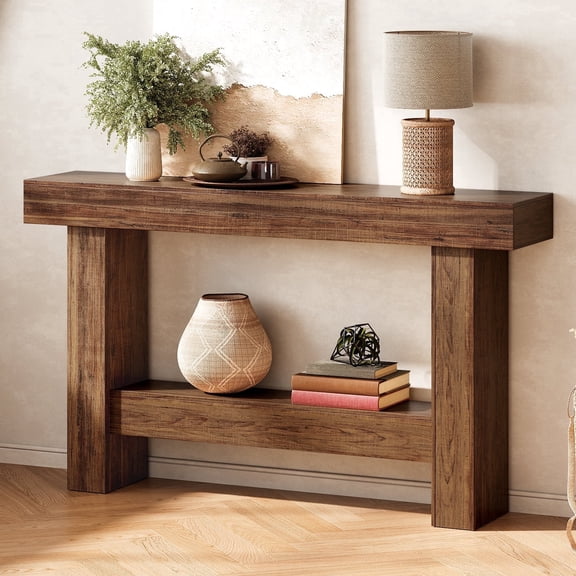
- Farmhouse/Rustic: Distressed wood, reclaimed timber, wrought iron accents, and a sturdy, earthy feel.
- Traditional/Classic: Ornate details, dark woods like mahogany or cherry, often with delicate carvings or cabriole legs.
- Industrial: A mix of metal (blackened steel, iron) and rough-hewn wood, exposed rivets, and a raw, urban edge.
- Bohemian/Eclectic: Unique textures, perhaps a piece with global influences, or a mix of vintage and new.
- Glam/Art Deco: Mirrored finishes, polished brass or gold, lacquer, and luxurious materials.
Don’t be afraid to choose a console that introduces a slight contrast to keep things interesting, but ensure it doesn’t clash completely. It’s all about harmonious variety.
Material Matters: Durability and Maintenance
The material of your console table not only dictates its style but also its durability and how much maintenance it will require. Here are a few popular options:
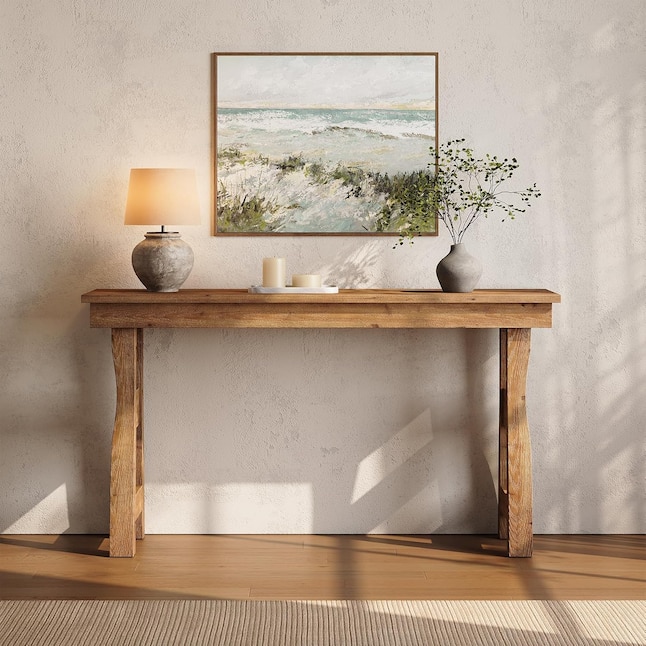
- Wood: Timeless and versatile. Hardwoods like oak, walnut, or maple are durable and long-lasting. Softwoods like pine are more affordable but can dent more easily. Finishes range from natural to painted, distressed, or polished.
- Metal: Industrial chic, modern, or glam. Wrought iron, steel, brass, and chrome offer different looks. Metal is generally very durable but can scratch or tarnish depending on the finish.
- Glass: Creates an airy, minimalist feel and can make small spaces appear larger. Tempered glass is strong but shows fingerprints and smudges easily.
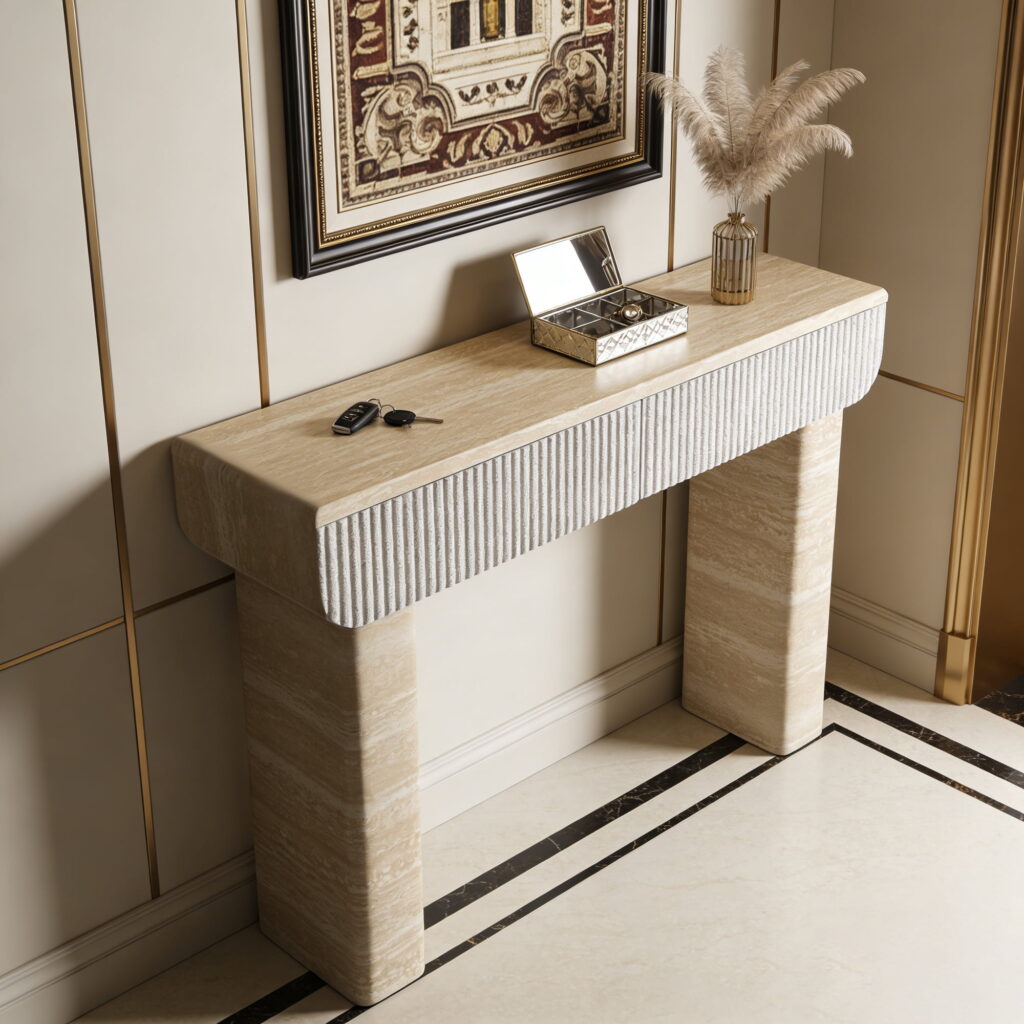
- Marble/Stone: Luxurious and durable, but heavy and can be pricey. Requires proper sealing and care to prevent stains.
- Acrylic/Lucite: Ultra-modern and almost invisible, perfect for creating a sense of space in tiny areas. Can scratch, but easy to clean.
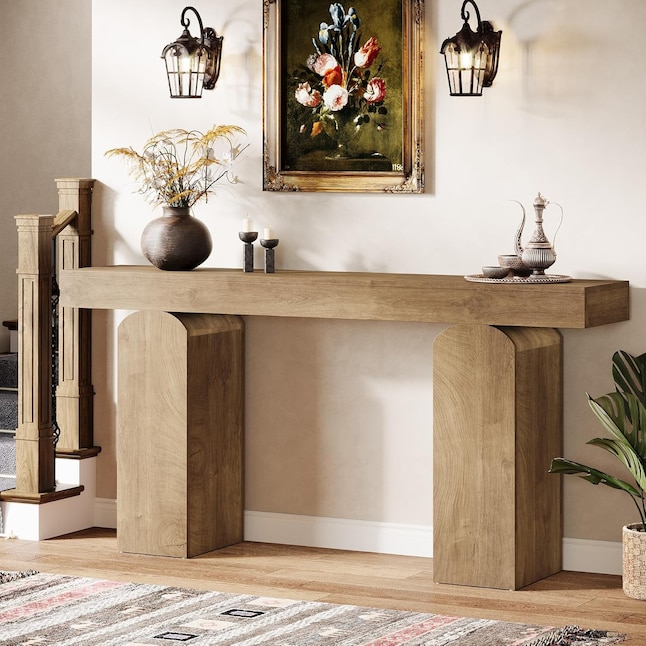
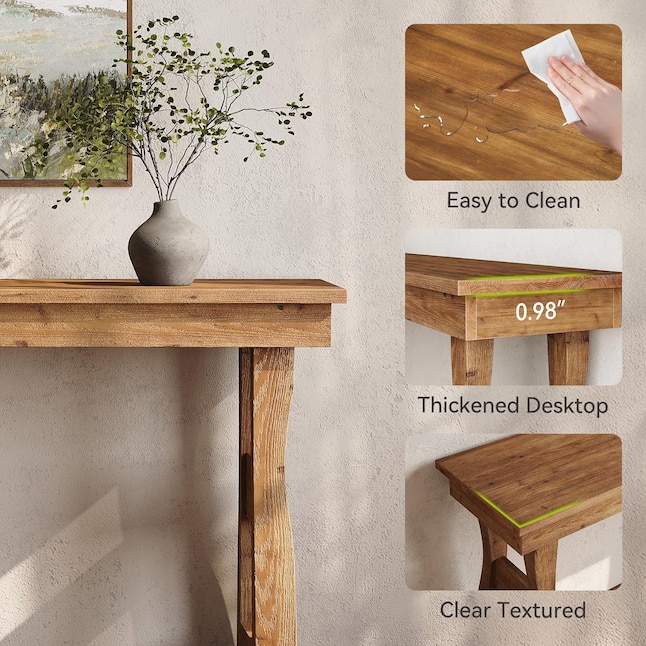
Consider how the table will be used. An entryway table might experience more wear and tear from keys and bags, so a more robust or easily cleanable surface might be preferable.
Functionality First: Storage and Utility
Beyond being a beautiful display surface, what practical needs does your console table need to address? Some options include:
- Open Shelves: Great for showcasing decorative items, books, or storing baskets. Offers an open, airy feel.
- Drawers: Essential for tucking away clutter like keys, remotes, mail, or charging cables.
- Built-in Outlets/USB Ports: A modern convenience, especially useful if you plan to charge devices or use a lamp frequently.
- Combination: Many tables offer a mix of drawers and shelves, providing the best of both worlds.
Think about what you realistically need to store or do at the console table and let that guide your selection. A piece that looks stunning but doesn’t serve its purpose will eventually feel like an expensive mistake.
Budget Considerations
Console tables range widely in price, from budget-friendly finds at big box stores to high-end designer pieces. Set a realistic budget before you start shopping. Remember that investing in a quality piece can mean it lasts longer and truly becomes a beloved part of your home. However, there are fantastic options at every price point, so you don’t have to break the bank to find something beautiful and functional.
Styling Your Console Table Like a Pro
Once you’ve chosen your perfect console table, the real fun begins: styling it! This is where you get to unleash your inner interior designer and create a dynamic, personalized display. Think of your console table as a mini stage – every item you place on it should contribute to the overall narrative and aesthetic.
The Rule of Three (and Odd Numbers)
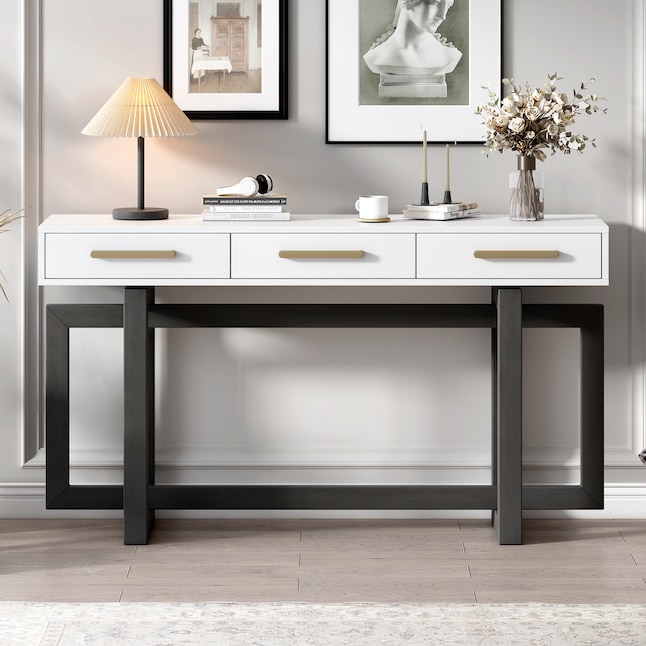
A classic design principle, arranging items in odd numbers (especially three) tends to be more visually appealing and natural to the eye. Instead of two matching candle holders, try one tall lamp, a medium-sized plant, and a small stack of books. This creates an immediate sense of balance and avoids a rigid, symmetrical look that can feel a bit too formal or repetitive. Experiment with different groupings until you find what feels right.
Layering and Varying Heights
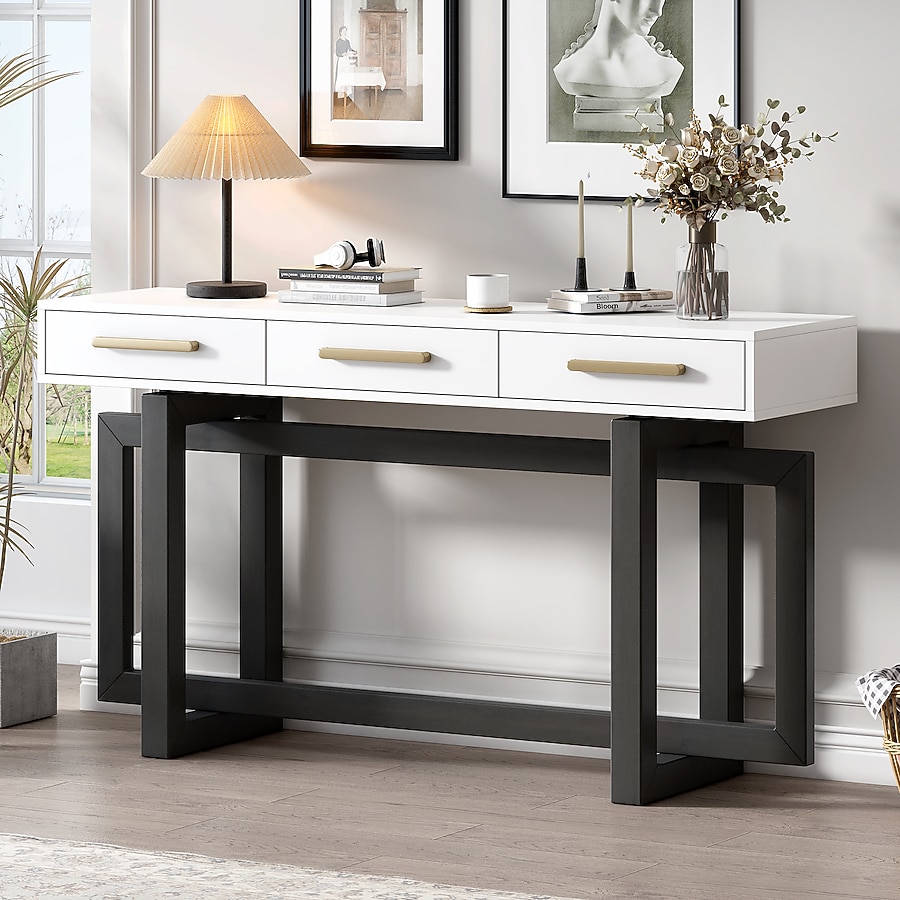
To add depth and interest, vary the heights of your objects. Start with a tall anchor piece, like a statement lamp or a substantial vase, at one end. Then, introduce medium-height items, such as framed photos, sculptures, or a cluster of decorative objects. Finally, add smaller, ground-level items like coasters, a small dish, or a delicate trinket. Layering also applies to the background – a piece of artwork or a mirror above the console adds another dimension and helps to frame your vignette beautifully. Think of it like building a little landscape.
Adding Greenery and Life
A touch of nature instantly brings warmth, freshness, and life to any display. A small potted plant, a trailing vine, a vase of fresh-cut flowers, or even a high-quality faux plant can make a huge difference. Greenery softens hard lines, introduces organic texture, and provides a pop of color that brightens the entire space. It’s an easy way to make your console table feel alive and welcoming.
Personal Touches and Storytelling
Your home should tell your story, and your console table is an excellent place to do just that. Incorporate items that are meaningful to you: a cherished souvenir from a trip, family photos, a unique antique find, or a piece of art created by a loved one. These personal elements add character, warmth, and make your space uniquely yours. Don’t just pick items for their looks; choose ones that evoke happy memories or reflect your passions. This is what truly makes a house a home.
Lighting Up the Space
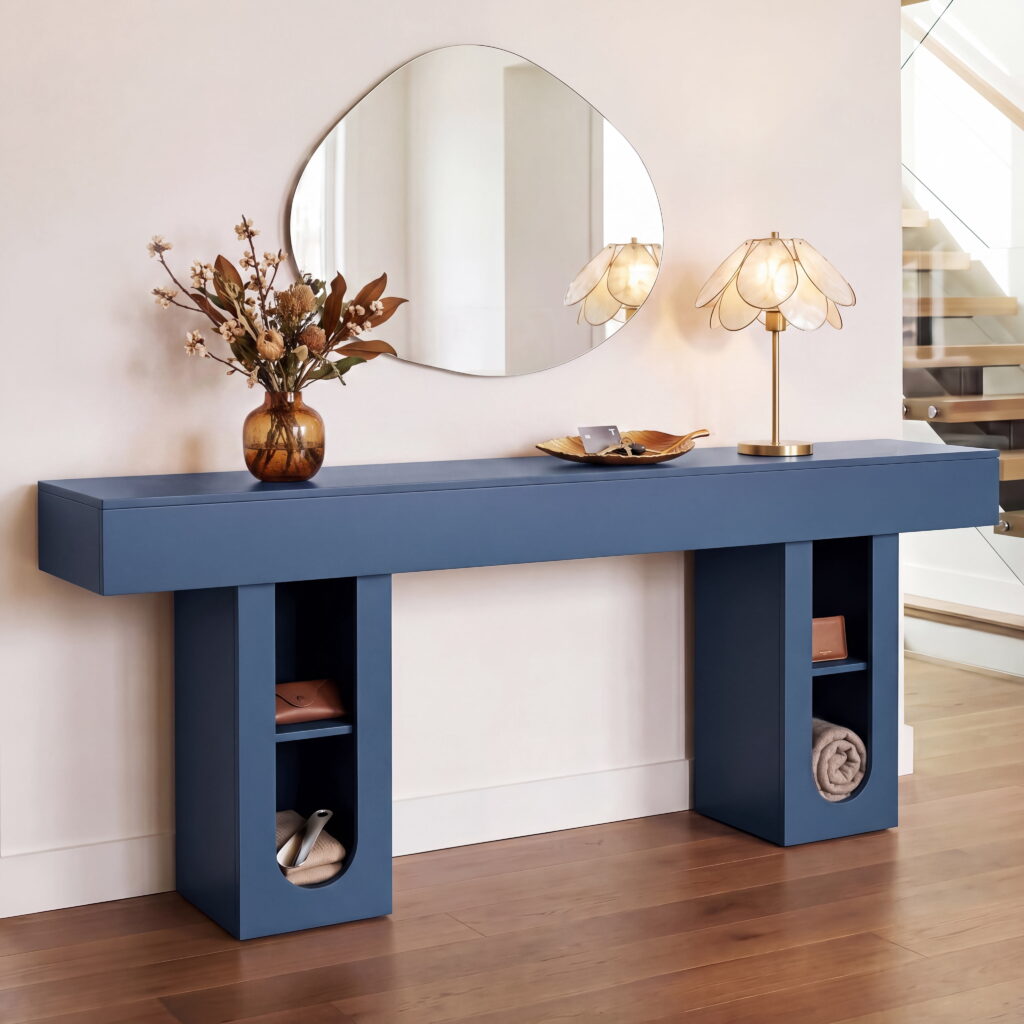
A table lamp is not just functional; it’s a design element in itself. Choose a lamp that complements the style of your console table and the room. Its light will create a warm, inviting glow, especially in an entryway during the evening, or add ambient lighting to your living room. Consider dimmable lamps for versatility. If you prefer not to have a lamp, a pair of elegant candlesticks or a string of subtle fairy lights nestled among your decor can achieve a similar cozy effect.
Artwork or Mirror Above
The wall space above your console table is just as important as the surface itself. A large piece of artwork, a gallery wall, or a striking mirror can anchor the entire setup. A mirror is particularly effective in an entryway, bouncing light around and making the space feel larger and brighter. It’s also incredibly practical for a quick check before you head out. When hanging, ensure the bottom of the art or mirror is about 6-8 inches above the tabletop to create a cohesive look.

Baskets, Stools, or Poufs Below
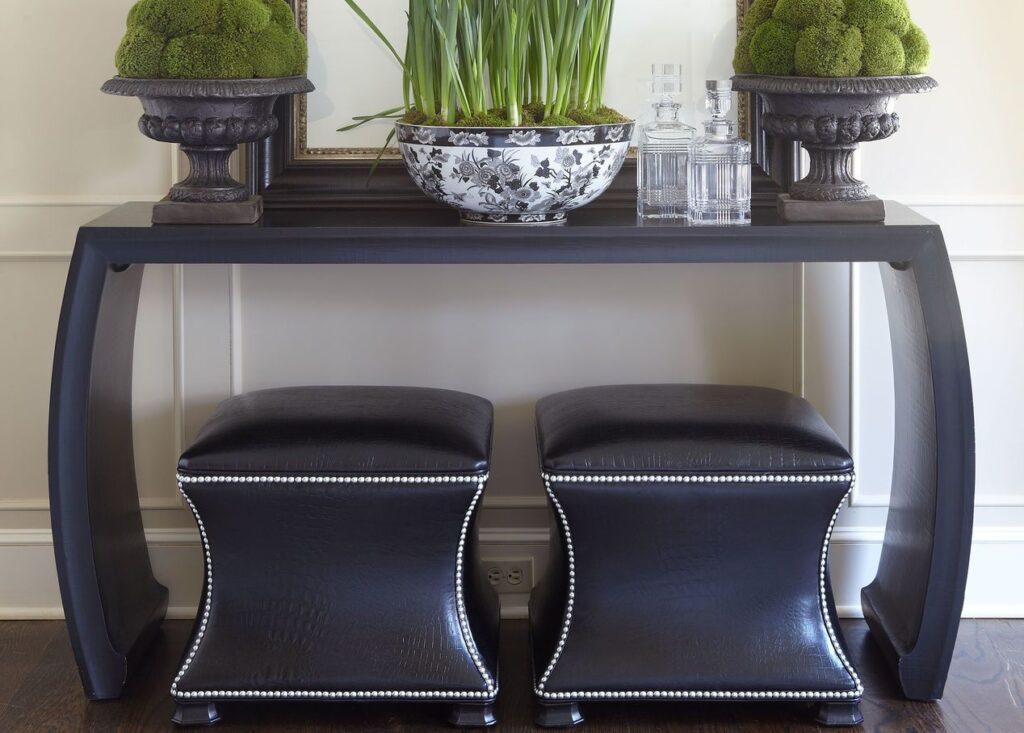
Don’t forget the space underneath your console table! This often-neglected area can be highly functional. Tuck a pair of decorative storage baskets underneath for extra blankets, magazines, or shoes. Or, slide in a couple of elegant poufs or small stools. These not only add texture and interest but also provide extra seating when needed, which is a fantastic bonus for a busy living room or a welcoming entryway. It’s about maximizing every visual and functional opportunity.

Beyond the Living Room and Entryway: Other Clever Uses
While the living room and entryway are primary homes for the console table, its adaptability means it can shine in other areas of your home too. Its narrow footprint makes it incredibly useful wherever you need a little extra surface or storage without consuming too much space.

Dining Room Buffet or Bar Station
In a dining room, a console table can serve as a slim, elegant buffet table during dinner parties, holding extra dishes, serving utensils, or beverages. During everyday life, it’s a lovely spot to display a floral arrangement or a collection of decorative dinnerware. With the right accessories, it can even transform into a stylish home bar, complete with liquor bottles, glassware, and cocktail shakers, ready for entertaining at a moment’s notice.

Bedroom Vanity or Small Desk
For smaller bedrooms that lack space for a full dresser or a dedicated desk, a console table can be a brilliant solution. Positioned against a wall, it can function as a compact vanity with a mirror above, perfect for getting ready. Or, pair it with a comfortable chair, and you have a makeshift writing desk or a dedicated spot for your laptop, creating a functional home office nook without encroaching too much on your sleeping area. Its slim design ensures it doesn’t overwhelm the room.

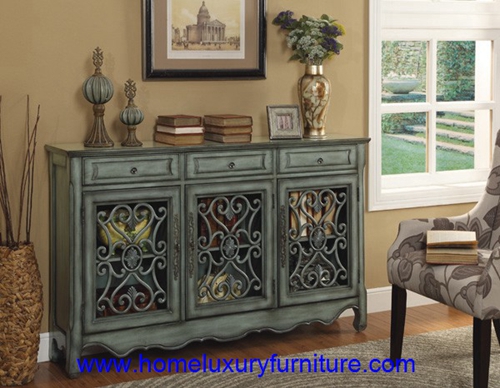
Hallway Landing or Alcove Accent
Long hallways can often feel impersonal and echo-y. A strategically placed console table can break up the monotony, offering a moment of visual interest. It’s a great spot for a beautiful piece of art, a small sculpture, or a collection of family photos. Similarly, if you have an awkward alcove or a landing at the top of a staircase, a console table can fill that space beautifully, making it feel intentional and decorative rather than just an empty corner.

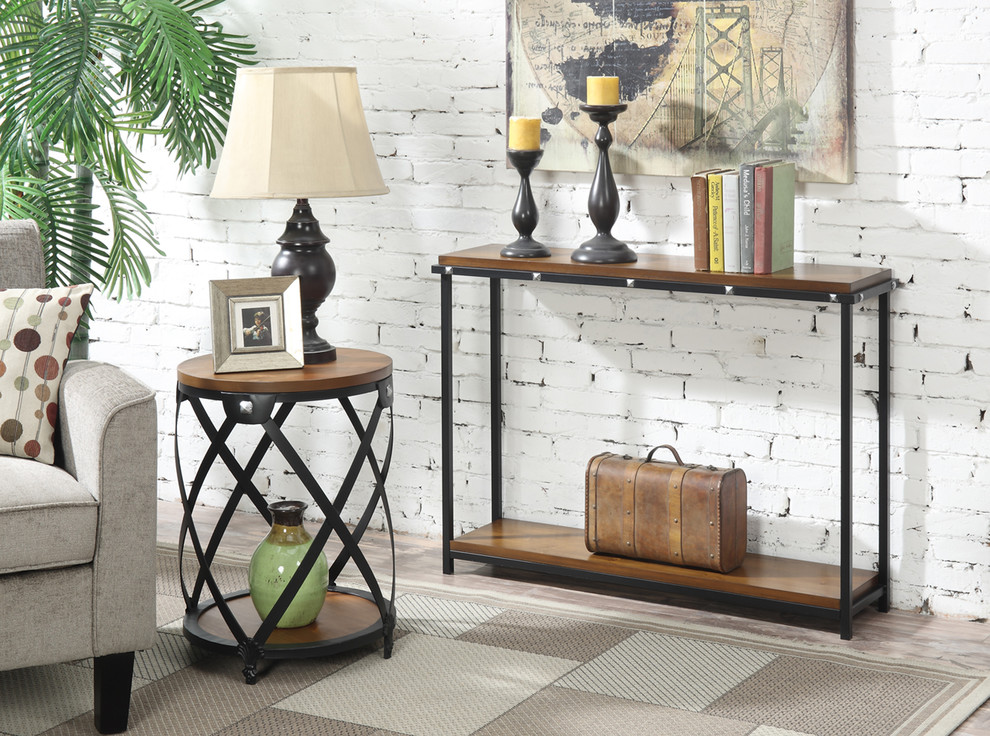
Maintenance and Care Tips
To ensure your console table remains a cherished and beautiful piece in your home for years to come, a little care goes a long way. The specific maintenance required will largely depend on the material it’s made from, but some general rules apply.

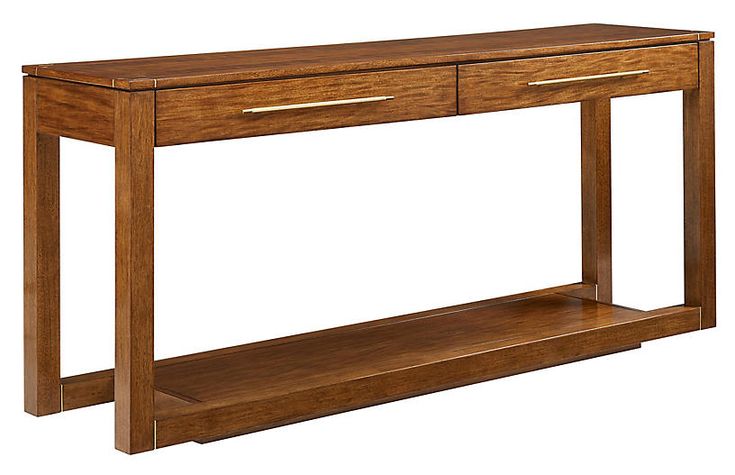
- Dust Regularly: Use a soft, dry cloth to dust your table frequently. This prevents dust buildup and keeps the surface looking fresh.
- Protect Surfaces: Always use coasters under drinks and felt pads under decorative items to prevent scratches, rings, and heat damage.
- Clean Spills Immediately: Accidents happen! Blot spills quickly with a clean, dry cloth. Avoid rubbing, as this can spread the stain.
- Follow Manufacturer’s Instructions: For specific materials like marble, specialized cleaners and sealants might be necessary. Always refer to the care instructions provided by the manufacturer.
- Avoid Direct Sunlight: Prolonged exposure to direct sunlight can fade wood finishes and some fabrics.
A little proactive care ensures your console table continues to shine as the versatile, stylish centerpiece it’s meant to be.

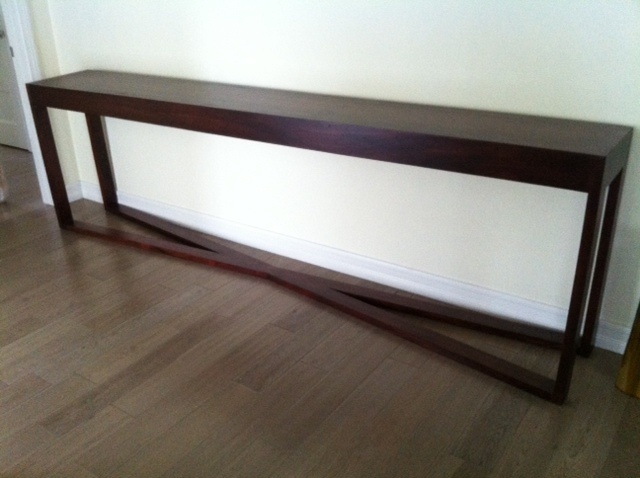
Common Mistakes to Avoid
Even with the best intentions, it’s easy to make a few missteps when incorporating a console table into your home. Being aware of these common pitfalls can help you steer clear of them and achieve a truly polished look.

- Wrong Size: As mentioned, this is number one. A table that’s too long, too short, too deep, or too tall will throw off the entire balance of the space. Always measure!
- Overcrowding: It’s tempting to display all your favorite trinkets, but a console table is not a dumping ground. Less is often more. Give your items room to breathe and appreciate each piece individually.
- Ignoring Functionality: While aesthetics are important, don’t sacrifice function. If you need storage, choose a table with drawers or shelves. If it’s for an entryway, ensure there’s still room for keys and mail.
- Poor Lighting: A beautiful console table can be lost in a dimly lit corner. Ensure it’s adequately lit, either by a lamp on the table itself or by overhead lighting that highlights it.
- Lack of Variation: Placing all items at the same height or using too many similar objects can make the display feel flat and uninteresting. Remember to vary heights, textures, and shapes.
- Ignoring the Wall Above: Leaving the wall space above your console table bare is a missed opportunity. A mirror, artwork, or even a simple clock can complete the look and anchor the table within the room.
By avoiding these common mistakes, you’ll ensure your console table is not only beautiful but also harmonious and purposeful within your living environment.
Conclusion: The Enduring Charm of the Console Table
From its humble beginnings as a purely decorative wall ornament to its current status as a multi-functional design essential, the console table has proven its enduring value. Whether gracing your living room, making a welcoming statement in your entryway, or lending its slender elegance to other areas of your home, this piece of furniture offers an unparalleled blend of style, space-saving ingenuity, and practical utility. It’s more than just a surface; it’s a canvas for your creativity, a silent organizer of your daily life, and a quiet enhancer of your home’s overall aesthetic.
So, if you’ve been on the fence about adding a console table to your living room or entryway, now is the time to embrace its transformative power. Choose wisely, style thoughtfully, and watch as this often-understated piece becomes one of the most beloved and hardworking elements in your home. It’s a small investment that yields significant dividends in both beauty and functionality, proving once again that true elegance often lies in the most versatile and well-considered details. Go ahead, give your console table the spotlight it deserves – your home will thank you for it!