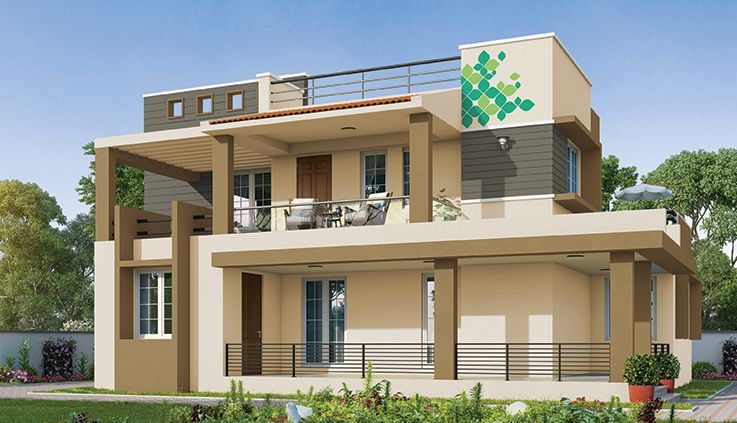
Unlocking Curb Appeal: A Deep Dive into Exterior Paint Design
Your home’s exterior is its first impression. It’s the silent narrator of your style, the welcoming handshake for guests, and a reflection of your personal taste to the world. More than just a coat of color, exterior paint design is a powerful tool for enhancing curb appeal, protecting your investment, and even increasing your property value. Choosing the right colors and finishes, however, can feel overwhelming. Where do you start? How do you ensure your vision translates into a beautiful, lasting result?

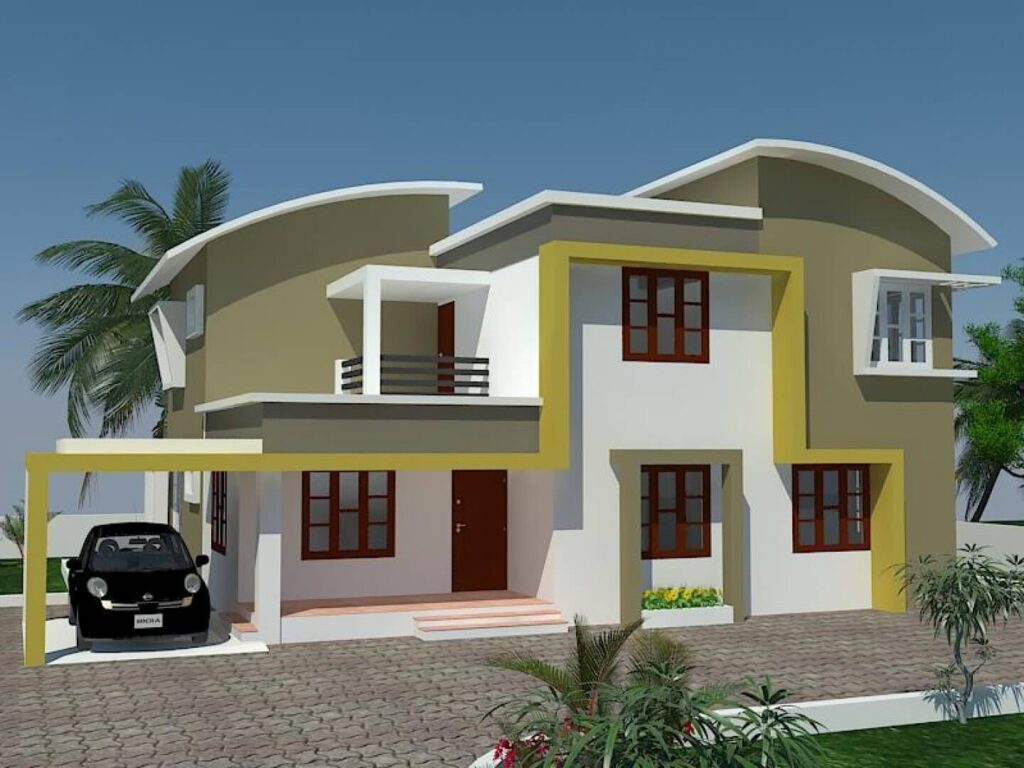
This comprehensive guide will walk you through every aspect of exterior paint design, from understanding architectural styles to selecting the perfect palette and preparing your surfaces for a flawless finish. We’ll explore current trends, offer practical tips, and answer your most pressing questions, empowering you to transform your home into a stunning masterpiece.

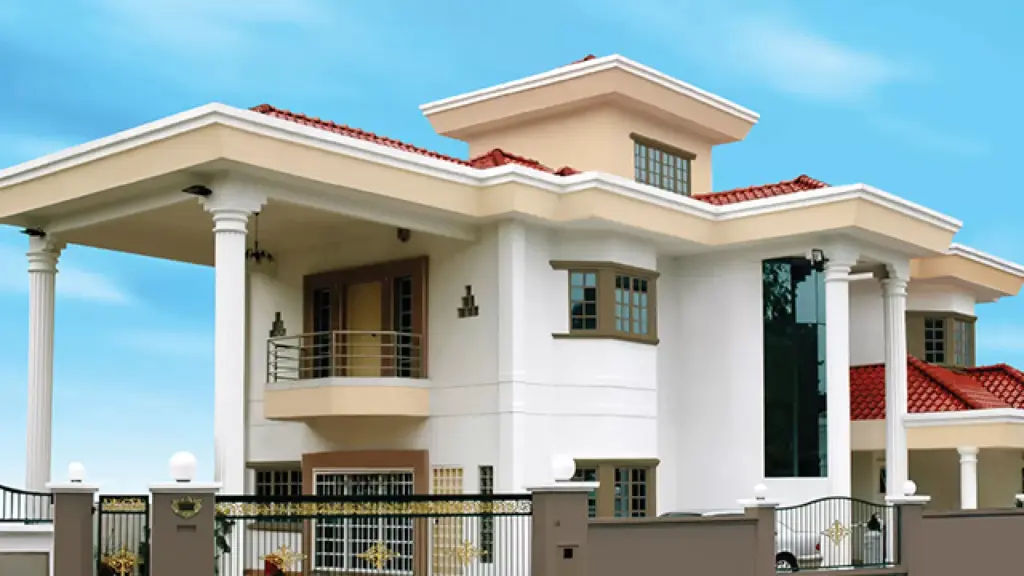
Understanding Your Home’s Architecture
Before diving into color charts, take a moment to appreciate your home’s architectural style. The design of your house provides valuable clues about appropriate color schemes and finishes. Certain colors complement specific architectural details, while others might clash, detracting from the overall aesthetic.

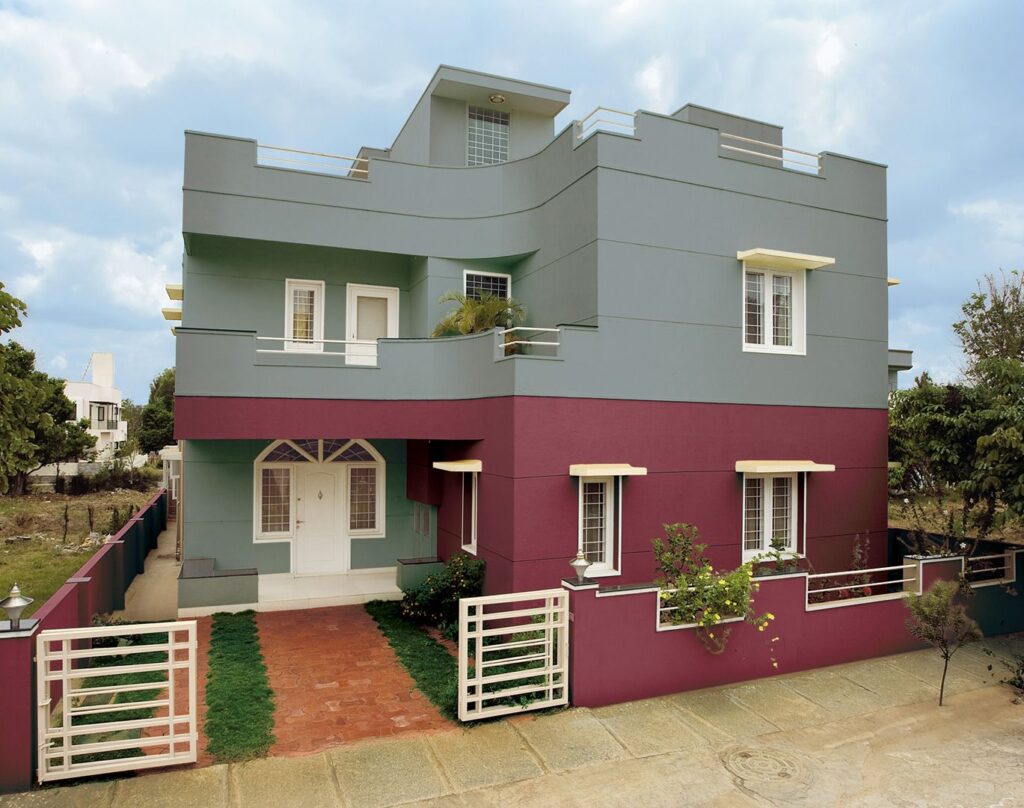
Common Architectural Styles and Their Ideal Colors
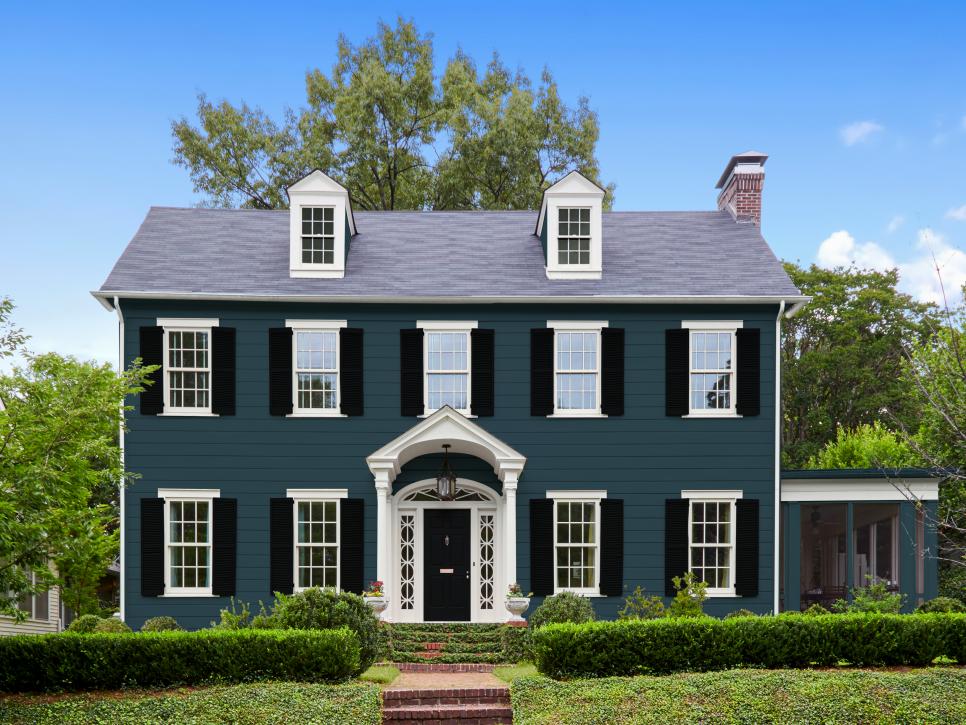
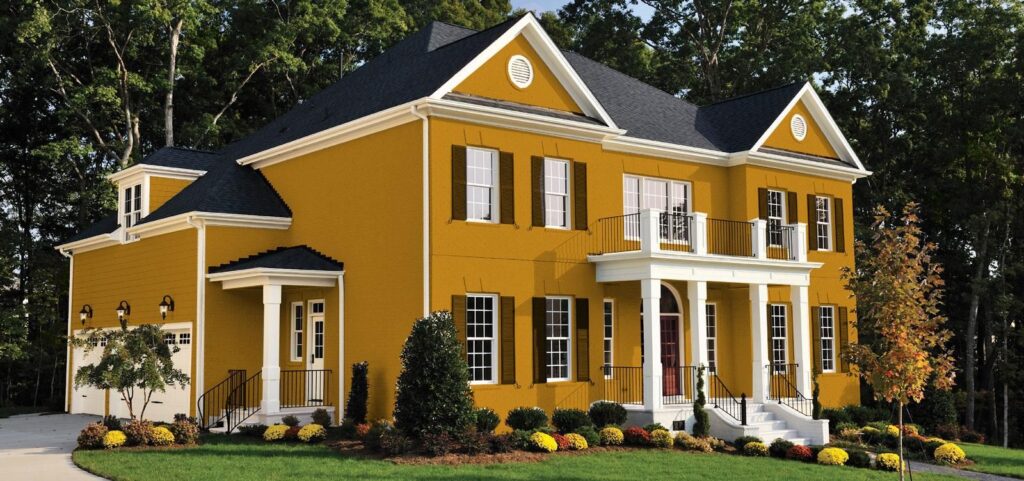
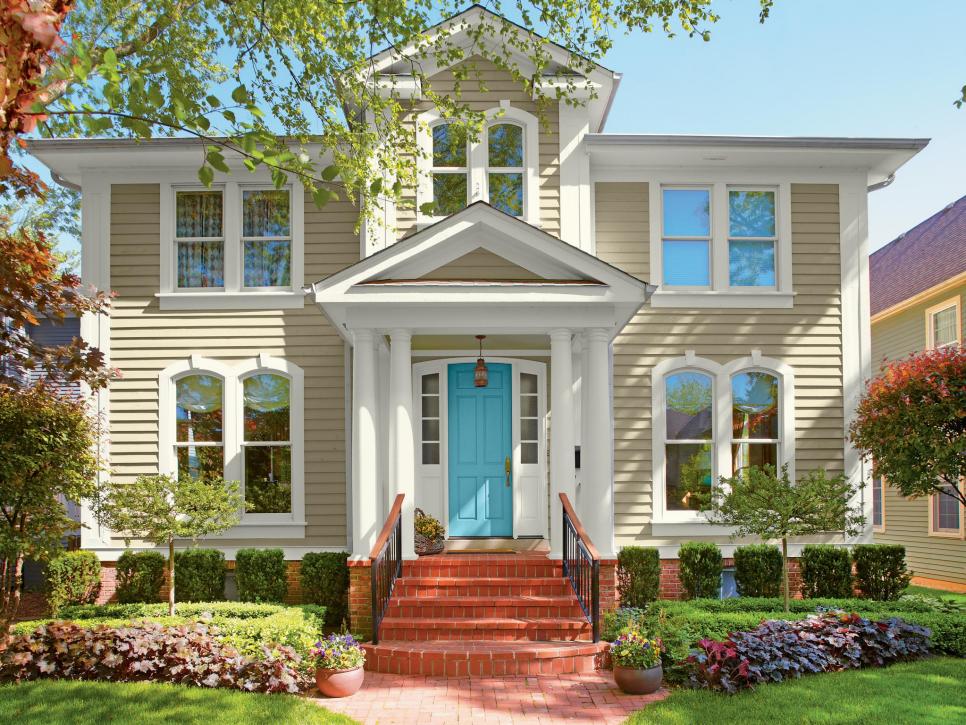
- Colonial: Typically features symmetrical designs, often with shutters and a centered entrance. Classic color choices include white, cream, light gray, and navy blue, often accented with contrasting shutters and doors.
- Victorian: Known for its ornate details, intricate trim, and multiple gables. Victorian homes can handle bolder, more complex color palettes, often incorporating three or more colors to highlight architectural features. Think rich reds, deep greens, and elegant purples, accented with creams and golds.
- Ranch: Characterized by its single-story layout and low-pitched roof. Ranch homes offer versatility in color choices. Earthy tones, such as browns, greens, and grays, work well with the natural landscape. You can also opt for brighter, more modern colors to add personality.
- Craftsman: Emphasizes natural materials and handcrafted details. Earth tones, such as browns, greens, and muted yellows, are ideal for Craftsman homes. Accents in copper, bronze, or wood stains complement the style’s organic aesthetic.
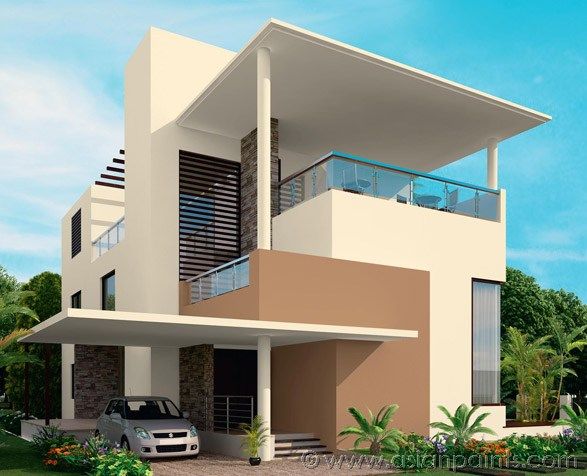
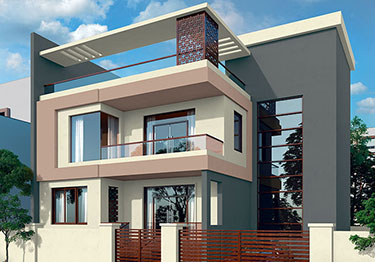
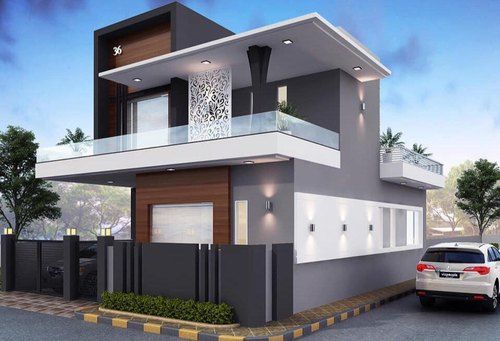
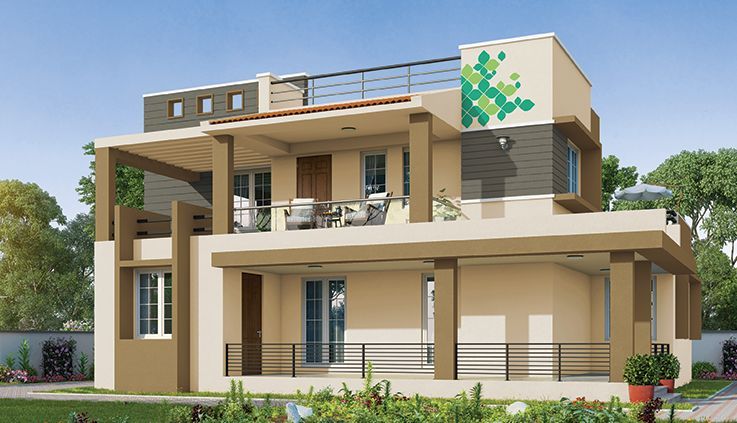
- Modern/Contemporary: Often features clean lines, large windows, and minimalist designs. Modern homes embrace a wide range of colors, from stark whites and grays to bold pops of color. Consider using contrasting colors to highlight architectural elements or create a focal point.
Consider consulting with an architect or designer for personalized advice if you are unsure about your home’s architectural style or appropriate color schemes. They can provide expert guidance and help you avoid costly mistakes.

The Psychology of Color: Choosing the Right Hue
Color isn’t just about aesthetics; it also evokes emotions and influences perceptions. Understanding the psychology of color can help you create the desired atmosphere for your home’s exterior. Each color carries a specific meaning and can impact how people perceive your property.
Color Associations and Their Impact
- White: Clean, crisp, and timeless. White conveys purity, simplicity, and sophistication. It can make a home appear larger and brighter, but it also requires more maintenance to keep clean.
- Gray: Versatile and neutral. Gray offers a modern and sophisticated look. It can be warm or cool, depending on the undertones. Gray pairs well with a variety of accent colors.
- Blue: Calming and serene. Blue evokes feelings of peace, tranquility, and stability. It’s a popular choice for coastal homes and can create a welcoming atmosphere.
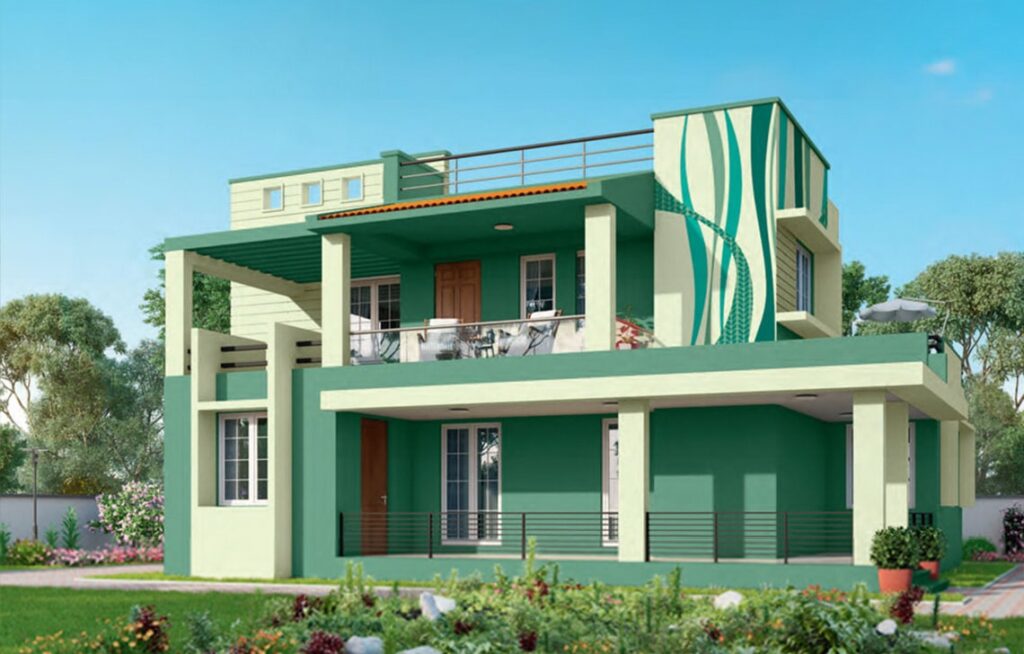
- Green: Natural and refreshing. Green symbolizes growth, harmony, and abundance. It’s a great choice for homes surrounded by greenery and can create a sense of connection to nature.
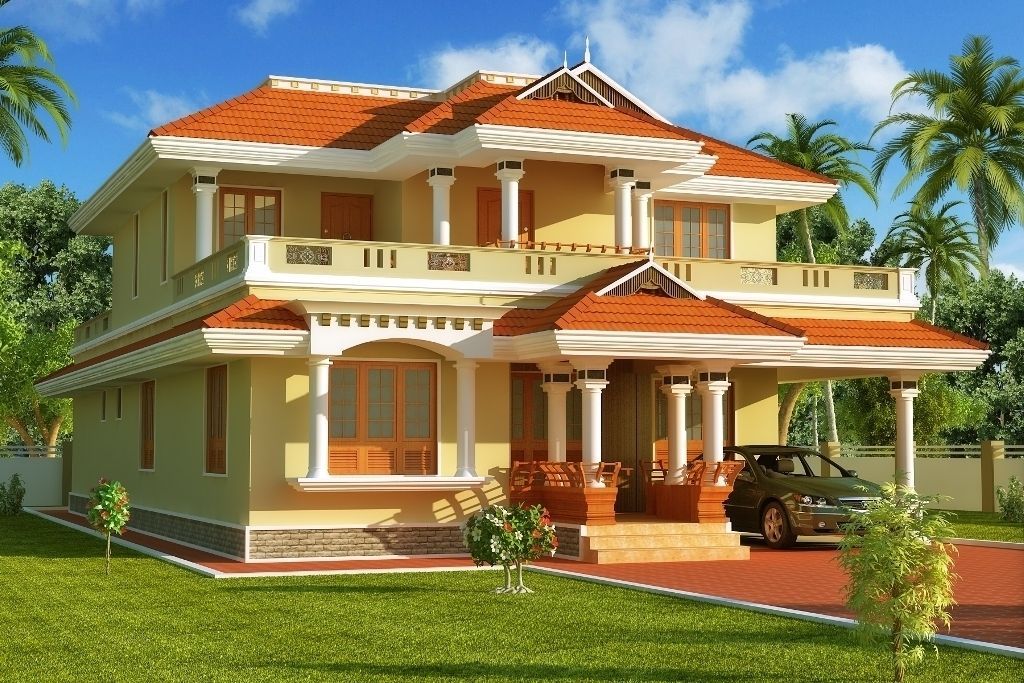
- Yellow: Cheerful and optimistic. Yellow exudes warmth, happiness, and energy. It can brighten up a home’s exterior and create a welcoming impression.
- Red: Bold and energetic. Red conveys passion, excitement, and confidence. It’s often used as an accent color for doors or shutters to create a focal point.
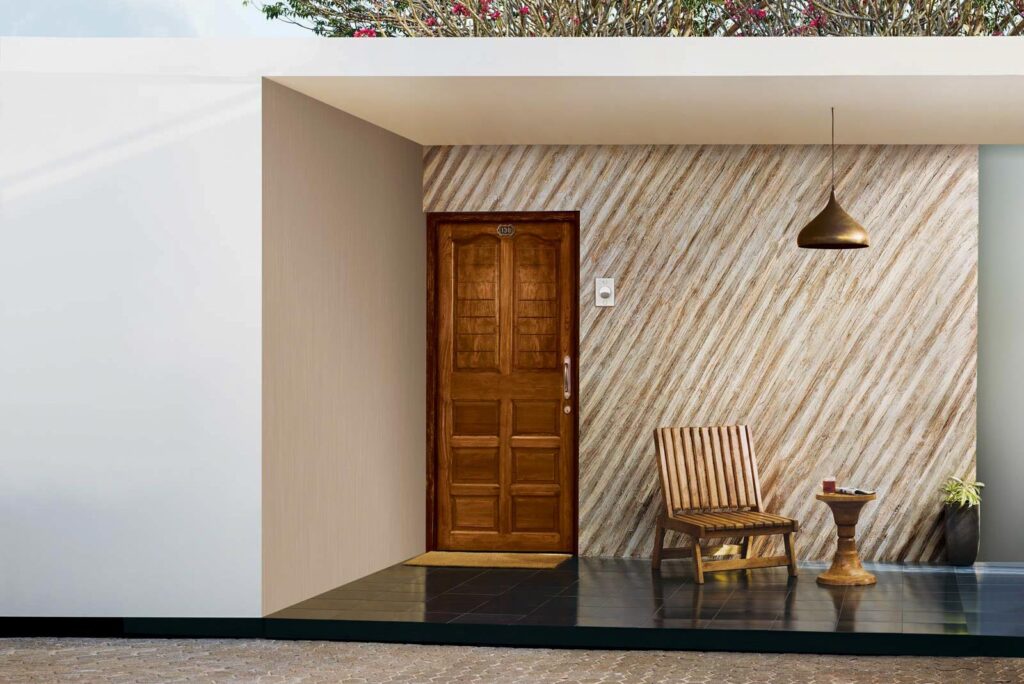
- Brown: Earthy and grounding. Brown symbolizes stability, comfort, and security. It’s a natural choice for homes with a rustic or traditional style.
Consider the surrounding environment and your personal preferences when choosing colors. Test different shades in various lighting conditions to see how they appear throughout the day. Remember that colors can look different on a small paint chip than they do on a large surface.

Beyond Color: Understanding Paint Finishes
The finish of your exterior paint plays a crucial role in its appearance, durability, and performance. Different finishes offer varying levels of sheen, resistance to weathering, and ease of cleaning. Choosing the right finish is essential for achieving the desired look and protecting your home from the elements.
Types of Exterior Paint Finishes
- Flat/Matte: Offers a non-reflective surface that hides imperfections and provides excellent coverage. Flat finishes are ideal for siding but can be difficult to clean.
- Eggshell: Provides a slightly more reflective surface than flat finishes and is easier to clean. Eggshell is a good choice for siding and trim in low-traffic areas.
- Satin: Offers a smooth, velvety finish that is durable and easy to clean. Satin is a versatile option for siding, trim, and doors.
- Semi-Gloss: Provides a moderately reflective surface that is highly durable and easy to clean. Semi-gloss is ideal for trim, doors, and other areas that are exposed to moisture or heavy use.
- Gloss: Offers a highly reflective surface that is extremely durable and easy to clean. Gloss is typically used for trim, doors, and accent pieces.
Consider the specific requirements of each surface when choosing a finish. For example, trim and doors benefit from a higher sheen finish that is easier to clean and resists wear and tear. Siding may benefit from a lower sheen finish that hides imperfections and provides better coverage. Before making a final decision, it is also wise to consider how much light will be reflecting off of your home.

Creating a Cohesive Color Scheme
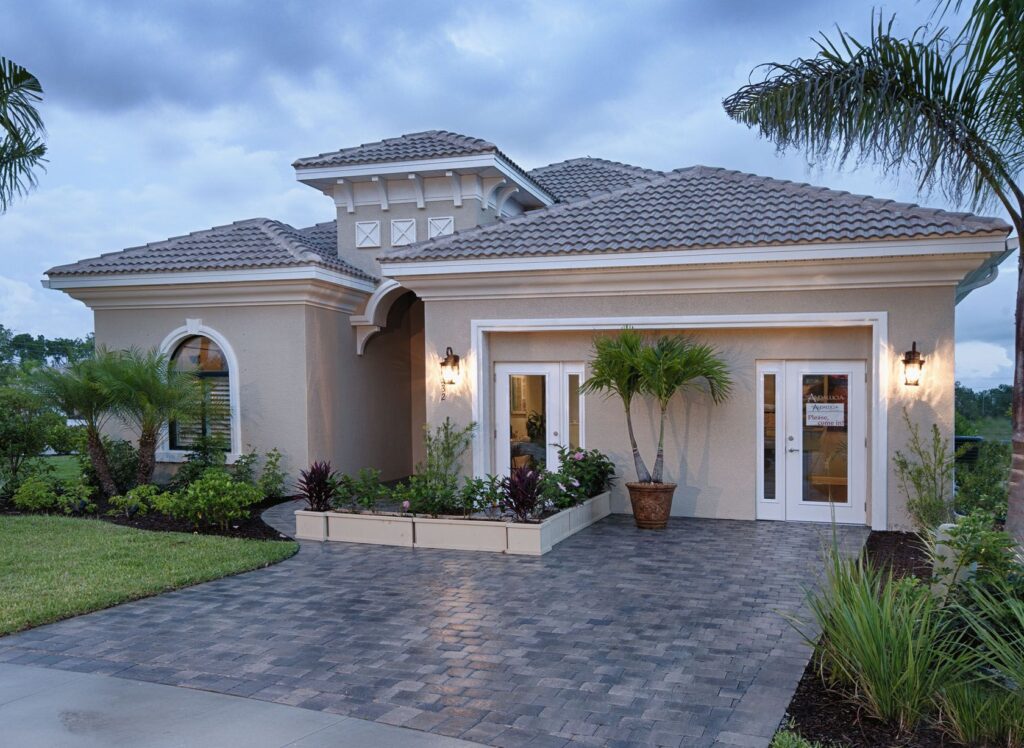
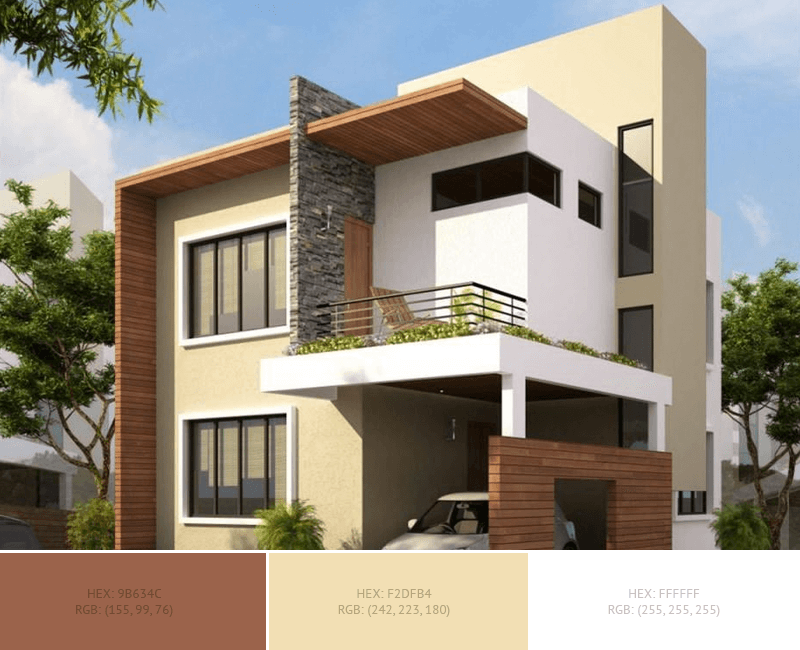
A well-coordinated color scheme is essential for creating a visually appealing and harmonious exterior. A typical exterior color scheme consists of three main components: the primary color, the trim color, and the accent color. The primary color covers the majority of the house, the trim color highlights architectural details, and the accent color adds pops of personality.

Tips for Developing a Balanced Color Palette
- Start with the fixed elements: Consider the colors of your roof, brick, stone, or other permanent features. Choose colors that complement these elements rather than clash with them.
- Use the 60-30-10 rule: Apply the primary color to 60% of the exterior, the trim color to 30%, and the accent color to 10%. This creates a balanced and visually appealing composition.
- Consider the surrounding landscape: Choose colors that harmonize with the natural environment. For example, if your home is surrounded by trees, consider using earthy tones or greens.
- Test your colors: Paint large swatches of your chosen colors on different areas of the exterior and observe them in various lighting conditions. This will help you ensure that you’re happy with the final result.
- Don’t be afraid to experiment: While it’s important to consider traditional color schemes, don’t be afraid to experiment with unique and unexpected combinations. Express your personal style and create a home that reflects your personality.
Consider using online color tools or consulting with a professional color consultant to help you develop a cohesive color scheme. These resources can provide valuable insights and inspiration.
Preparing Your Surfaces for Painting
Proper surface preparation is critical for achieving a long-lasting and professional-looking paint job. Before you even think about applying paint, take the time to thoroughly clean, repair, and prime your surfaces. This will ensure that the paint adheres properly and provides optimal protection.

Step-by-Step Surface Preparation Guide
- Clean the surfaces: Remove dirt, dust, mildew, and other contaminants with a pressure washer or scrub brush and detergent. Pay particular attention to areas that are prone to mildew growth.
- Repair any damage: Fill cracks, holes, and other imperfections with caulk or patching compound. Sand smooth any rough edges or uneven surfaces.
- Remove loose paint: Scrape away any peeling or flaking paint with a paint scraper. Sand the edges of the remaining paint to create a smooth transition.
- Prime the surfaces: Apply a coat of exterior primer to all bare or repaired surfaces. Primer helps the paint adhere better, provides a uniform surface for painting, and prevents stains from bleeding through.
- Caulk gaps and seams: Seal any gaps or seams around windows, doors, and trim with exterior-grade caulk. This will prevent water from penetrating the walls and causing damage.
Investing time in proper surface preparation will save you time and money in the long run. A well-prepared surface will ensure that your paint job lasts longer and looks better.

The Painting Process: Techniques and Best Practices
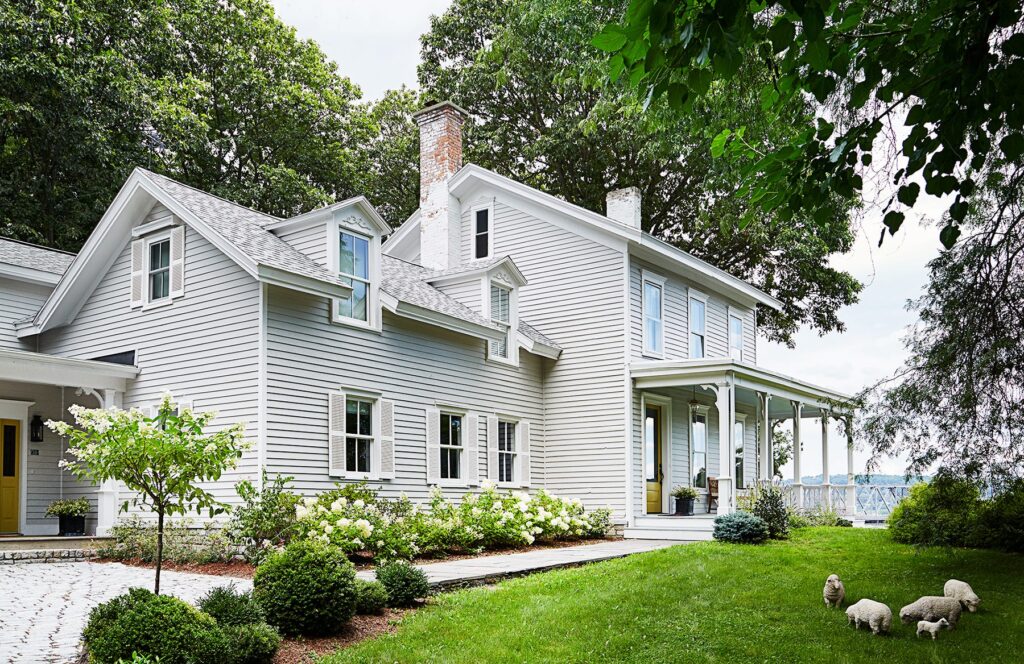
Once your surfaces are prepared, it’s time to start painting. Whether you’re using a brush, roller, or sprayer, following proper painting techniques will ensure a smooth, even, and long-lasting finish.

Essential Painting Tips and Techniques
- Choose the right tools: Select high-quality brushes, rollers, and sprayers that are appropriate for the type of paint you’re using and the surfaces you’re painting.
- Protect your surroundings: Cover landscaping, furniture, and other objects with drop cloths or plastic sheeting to protect them from paint splatters.
- Work in sections: Divide the exterior into manageable sections and focus on completing one section at a time. This will help you maintain a consistent finish and avoid mistakes.
- Apply thin, even coats: Avoid applying too much paint at once, as this can lead to drips, runs, and uneven coverage. Apply thin, even coats and allow them to dry completely before applying additional coats.
- Overlap your strokes: Overlap each stroke slightly to ensure complete coverage and prevent gaps or streaks.
- Maintain a wet edge: Keep the edge of the painted area wet to prevent lap marks and ensure a seamless finish.
- Clean your tools: Clean your brushes, rollers, and sprayers immediately after use to prevent paint from drying and hardening.
Consider the weather conditions when painting. Avoid painting in direct sunlight, extreme heat, or during rainy or humid weather. Ideal painting conditions are typically dry, mild, and overcast.

Current Trends in Exterior Paint Design
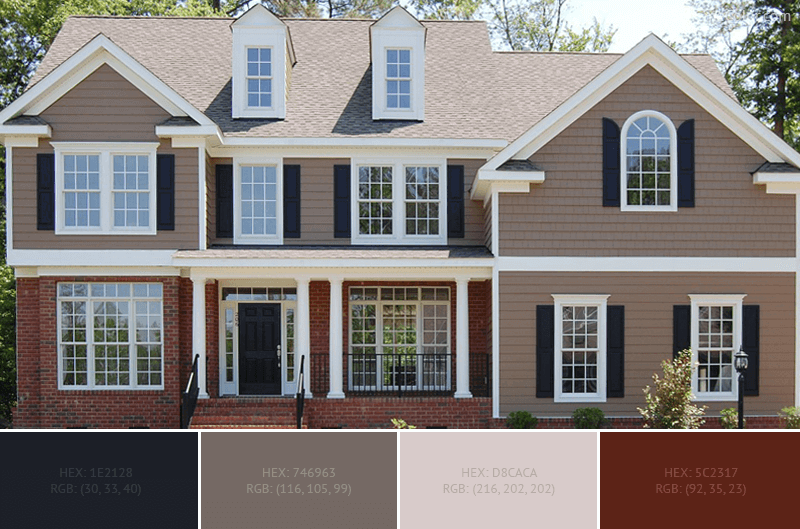
Exterior paint design trends are constantly evolving, reflecting changing tastes and architectural styles. Staying up-to-date on the latest trends can help you create a modern and stylish exterior that stands the test of time.
Popular Color Trends and Design Ideas
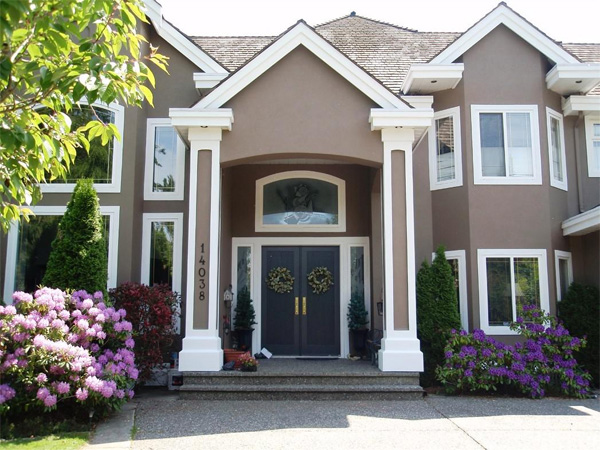
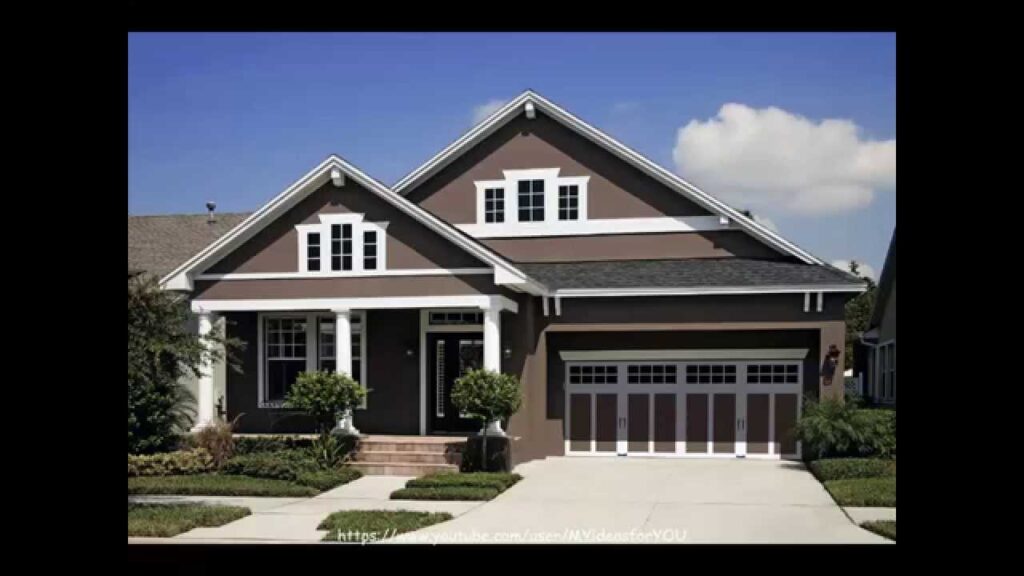
- Earthy Neutrals: Earthy neutrals, such as warm grays, taupes, and beiges, are gaining popularity for their versatility and timeless appeal. These colors create a sense of warmth and sophistication and complement a wide range of architectural styles.
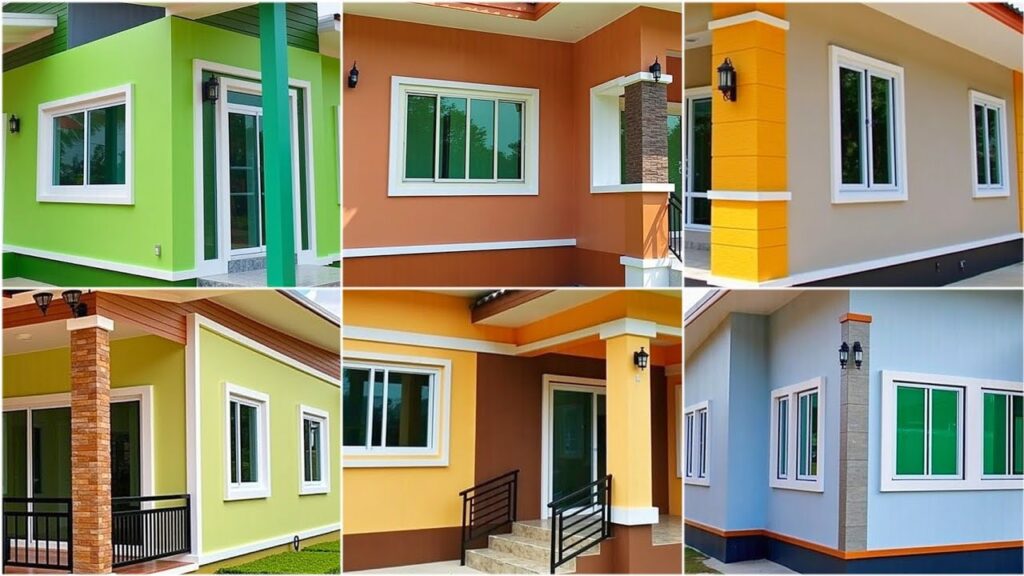
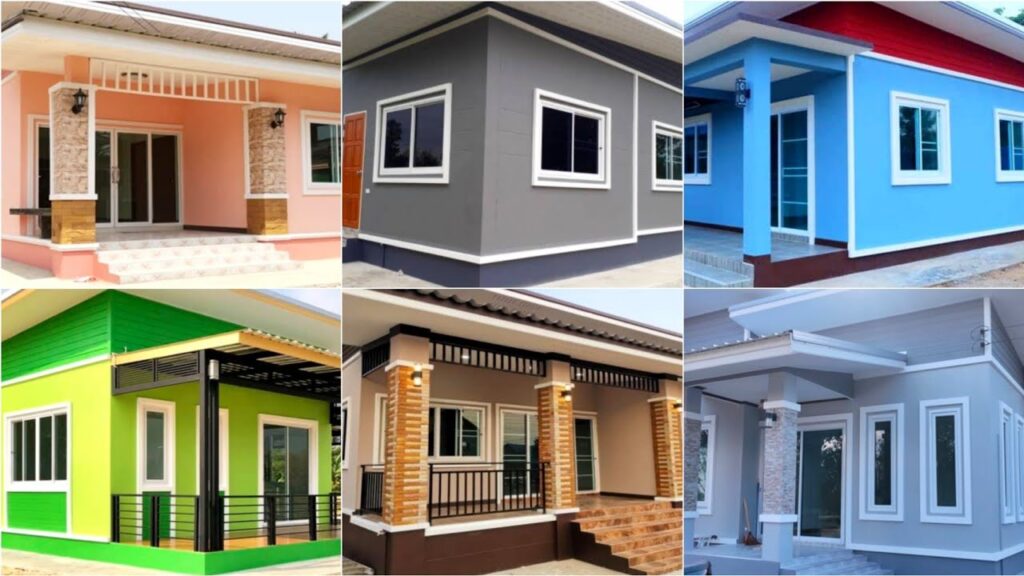
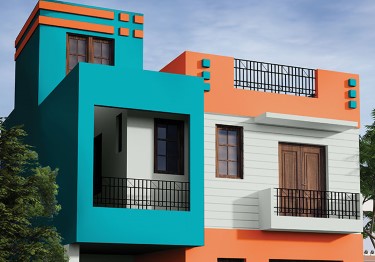
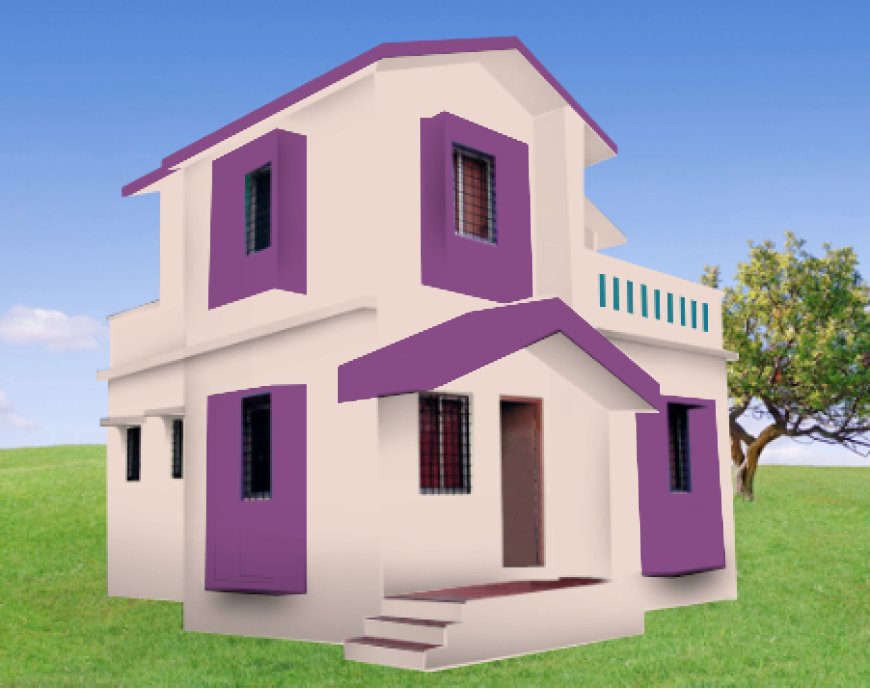
- Bold Accents: Pops of color are being used to add personality and visual interest to exterior designs. Consider using a bold color for your front door, shutters, or other accent pieces.
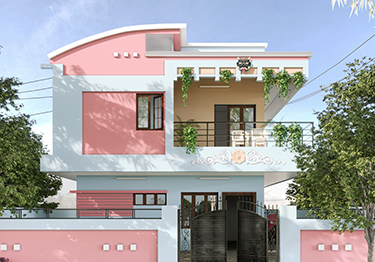
- Two-Tone Designs: Two-tone color schemes are a popular way to highlight architectural details and create a more dynamic exterior. Pair a lighter color with a darker color for a striking contrast.
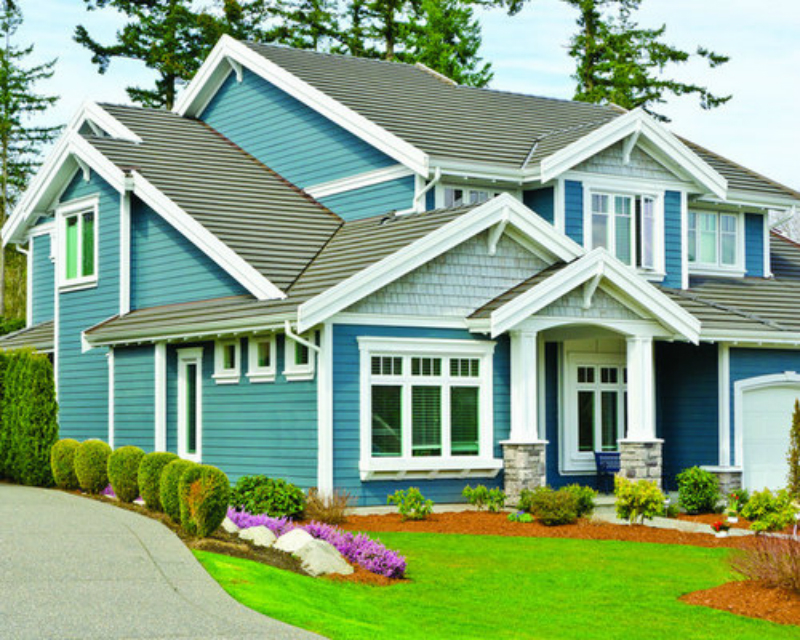
- Nature-Inspired Colors: Colors inspired by nature, such as greens, blues, and browns, are becoming increasingly popular. These colors create a sense of harmony and connection to the natural environment.
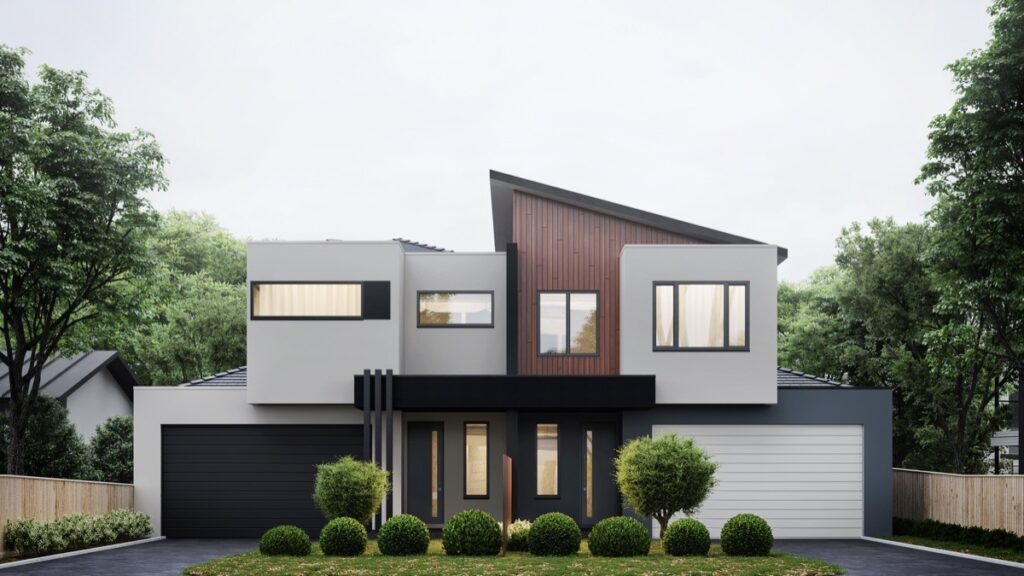
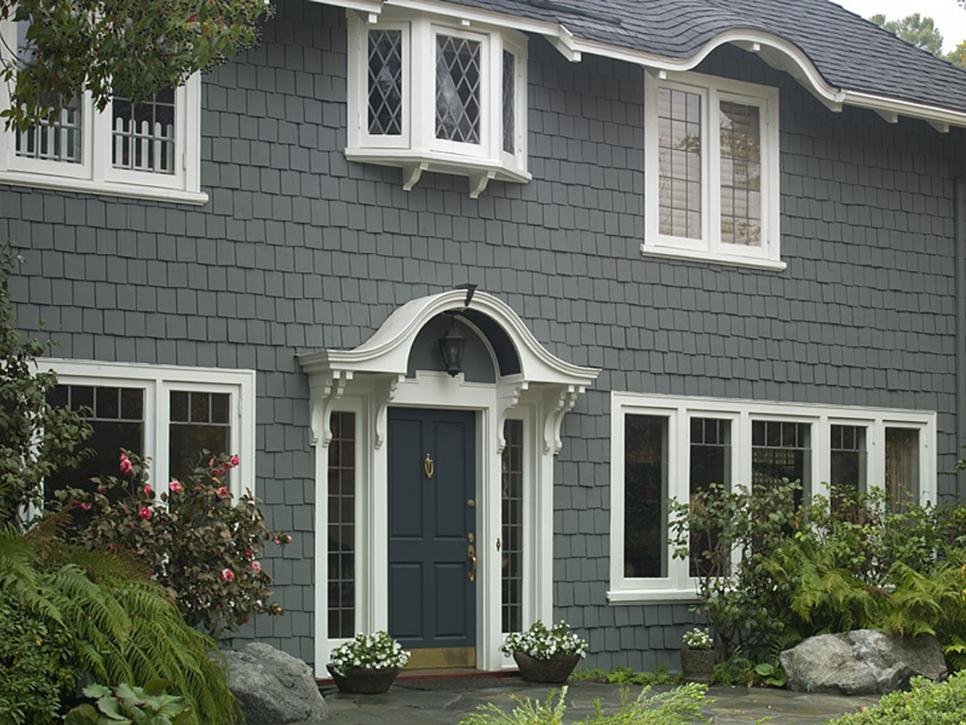
- Dark Exteriors: Dark exterior colors, such as charcoal gray, navy blue, and even black, are making a bold statement. These colors create a dramatic and sophisticated look.
While trends can provide inspiration, it’s important to choose colors and designs that reflect your personal style and complement your home’s architecture.
Maintaining Your Exterior Paint
Proper maintenance is essential for prolonging the life of your exterior paint and keeping your home looking its best. Regular cleaning and touch-ups can prevent damage and extend the lifespan of your paint job.

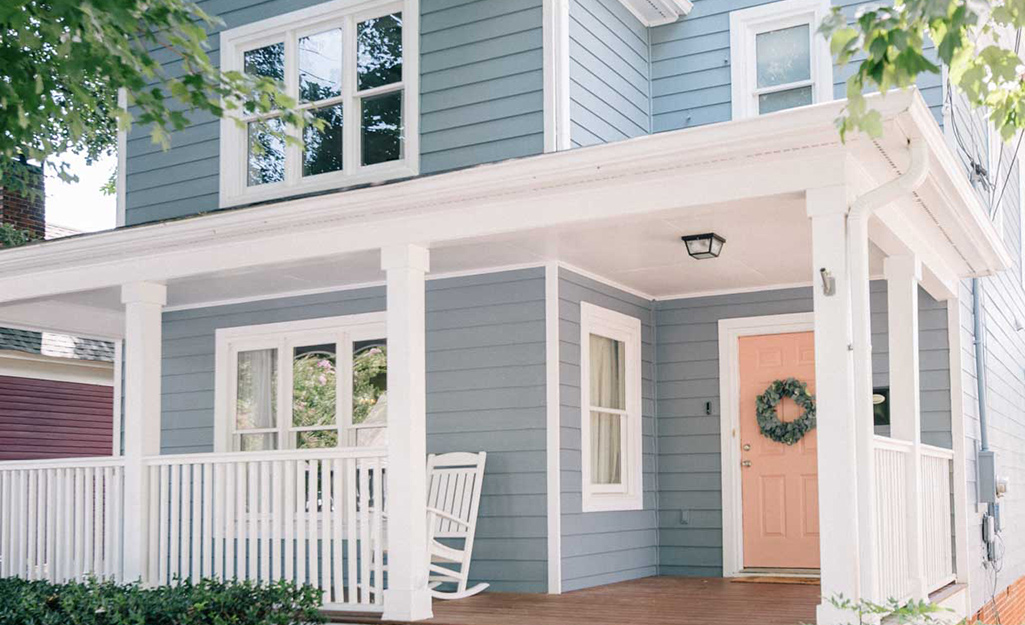
Tips for Keeping Your Exterior Looking Fresh
- Wash your exterior regularly: Clean your exterior at least once a year with a pressure washer or scrub brush and detergent. This will remove dirt, dust, mildew, and other contaminants.
- Touch up any damage: Repair any chips, scratches, or peeling paint as soon as possible. This will prevent the damage from spreading and protect the underlying surfaces.
- Inspect for signs of moisture damage: Check for signs of water damage, such as blistering, peeling, or discoloration. Address any leaks or other sources of moisture immediately.
- Trim landscaping: Keep trees, shrubs, and other vegetation trimmed away from the exterior of your home. This will prevent moisture from trapping against the walls and causing damage.
- Consider a professional cleaning: If you’re not comfortable cleaning your exterior yourself, consider hiring a professional cleaning service.
With proper maintenance, your exterior paint can last for many years, protecting your home and enhancing its curb appeal.

DIY vs. Professional Painting: Making the Right Choice
Deciding whether to tackle an exterior painting project yourself or hire a professional painter is a big decision. Both options have their pros and cons, and the best choice depends on your budget, skill level, and available time.

Factors to Consider When Choosing
- Budget: DIY painting is typically less expensive than hiring a professional, as you’ll only need to pay for materials. However, you’ll need to invest your own time and effort.
- Skill Level: Exterior painting requires a certain level of skill and experience. If you’re not comfortable working at heights, operating power tools, or applying paint evenly, it’s best to hire a professional.
- Time Commitment: Exterior painting can be a time-consuming project, especially for larger homes. If you have a busy schedule, hiring a professional may be the more convenient option.
- Safety: Working on a ladder or scaffolding can be dangerous. If you’re not comfortable working at heights, it’s best to leave the job to the professionals.
- Warranty: Professional painters typically offer warranties on their work, providing you with peace of mind in case of any problems.
If you decide to hire a professional painter, be sure to get multiple quotes and check their references. Choose a reputable painter with a proven track record of quality workmanship.
Frequently Asked Questions (FAQs) About Exterior Paint Design
Here are some common questions about exterior paint design:
Q: How often should I repaint my home’s exterior?

A: The frequency of repainting depends on factors such as the climate, the type of paint used, and the condition of the surfaces. Generally, you should repaint your exterior every 5-10 years.

Q: What is the best time of year to paint my exterior?

A: The best time to paint your exterior is during dry, mild weather. Avoid painting in direct sunlight, extreme heat, or during rainy or humid weather.

Q: How do I choose the right paint color for my home?
A: Consider your home’s architectural style, the surrounding environment, and your personal preferences. Test different shades in various lighting conditions to see how they appear throughout the day.

Q: What is the difference between oil-based and water-based exterior paint?

A: Oil-based paints are more durable and resistant to weathering, but they are also more difficult to clean and contain higher levels of VOCs. Water-based paints are easier to clean, dry faster, and contain lower levels of VOCs, but they may not be as durable as oil-based paints.
Q: How do I prevent mildew growth on my exterior?

A: Clean your exterior regularly with a pressure washer or scrub brush and detergent. Use a paint that contains mildewcides and ensure proper ventilation.
Conclusion: Creating an Exterior You’ll Love
Exterior paint design is an investment that can transform your home and increase its value. By understanding architectural styles, color psychology, paint finishes, and proper painting techniques, you can create an exterior that you’ll be proud of for years to come. Whether you choose to tackle the project yourself or hire a professional, remember to prioritize quality, durability, and personal style. With careful planning and execution, you can unlock your home’s full potential and create a welcoming and visually stunning exterior.