Nimila

Are you yearning for a home that feels both timelessly elegant and refreshingly current? Do you appreciate the rich history of classic design but find pure traditional style a bit too formal, or pure modern design a little too cold? If so, then Modern Traditional Interior Design might be the perfect aesthetic for you. It’s a sophisticated blend that offers the best of both worlds, creating spaces that are inviting, functional, and deeply personal.
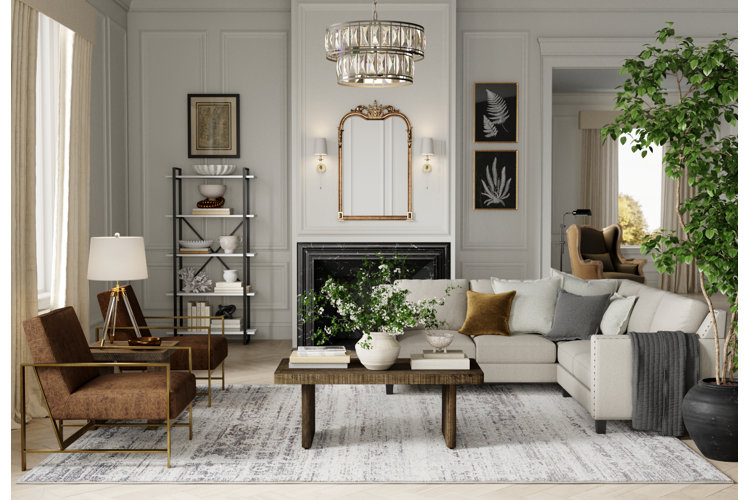
As an authority in interior design, we’ve seen this style grow in popularity for its ability to create homes that resist fleeting trends and truly stand the test of time. This ultimate guide will walk you through the “what,” “why,” and “how-to” of Modern Traditional design, providing clear, step-by-step instructions to help you transform your space into a harmonious sanctuary.
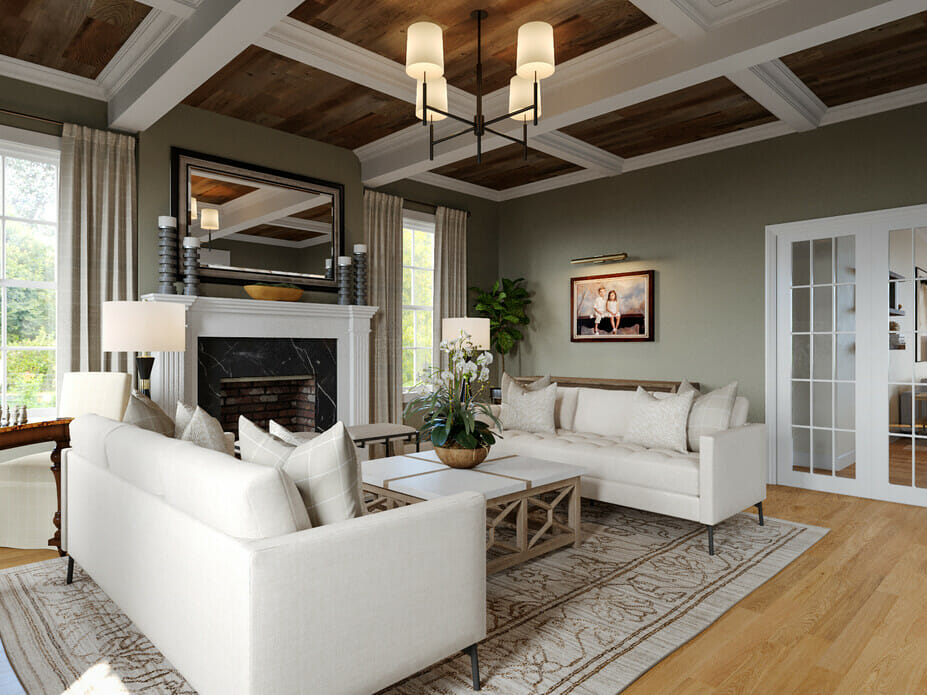
What is Modern Traditional Interior Design?
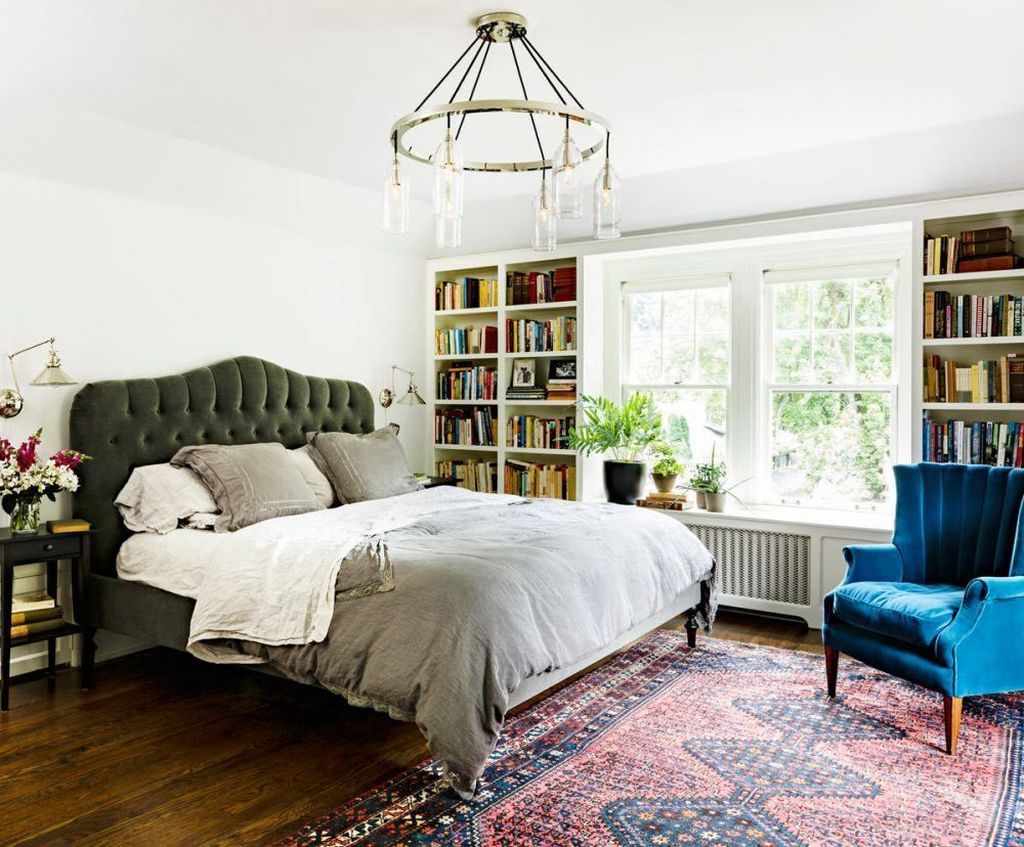
At its core, Modern Traditional interior design is a masterful fusion of classic and contemporary elements. It celebrates the enduring beauty and comfort of traditional aesthetics while embracing the clean lines, functionality, and open feel of modern design. Think of it as an updated classic – a comfortable, elegant, and sophisticated look that feels fresh and relevant today.
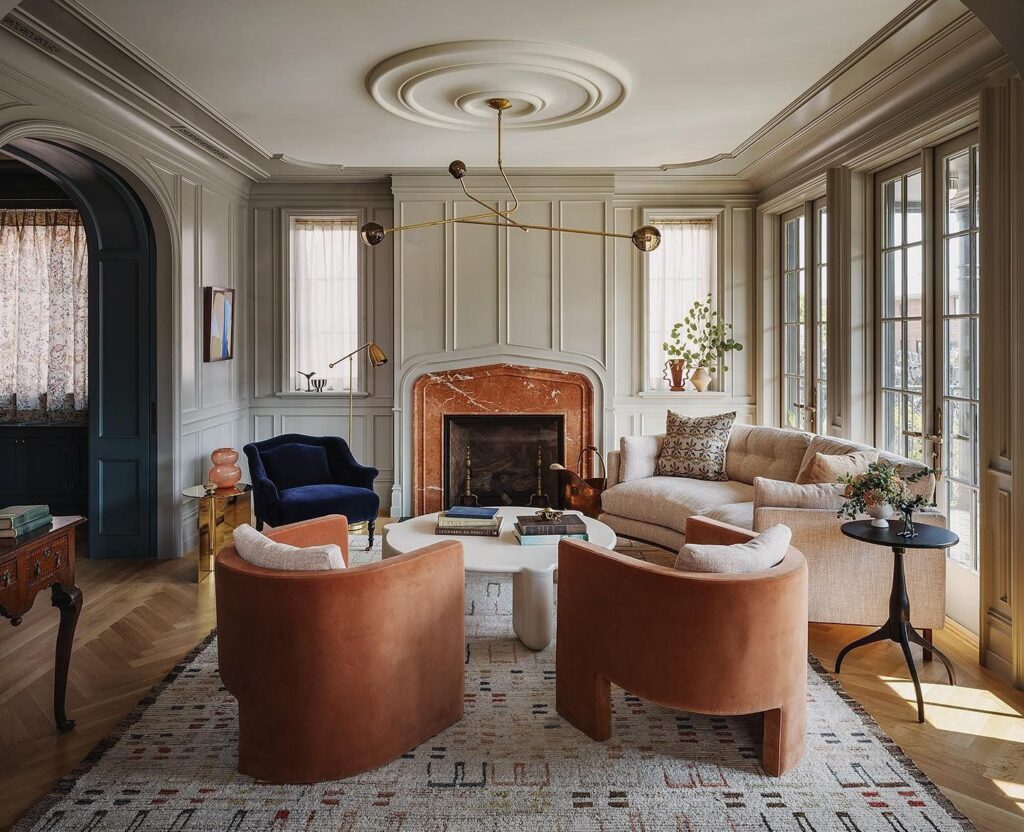
Key Characteristics:
- Timeless Elegance: It draws from historical periods but avoids being overly ornate or stuffy.
- Comfort & Livability: Spaces are designed to be lived in, offering warmth and relaxation.
- Balanced Composition: A careful mix of classic silhouettes with contemporary finishes and textures.
- Sophisticated Palette: Often grounded in neutrals, enhanced by rich, muted accent colors.
- Quality Over Quantity: Emphasis on well-made furniture and thoughtful curation rather than clutter.
Why Choose Modern Traditional?
The allure of Modern Traditional design lies in its versatility and enduring appeal. Here’s why homeowners and designers alike are drawn to this style:
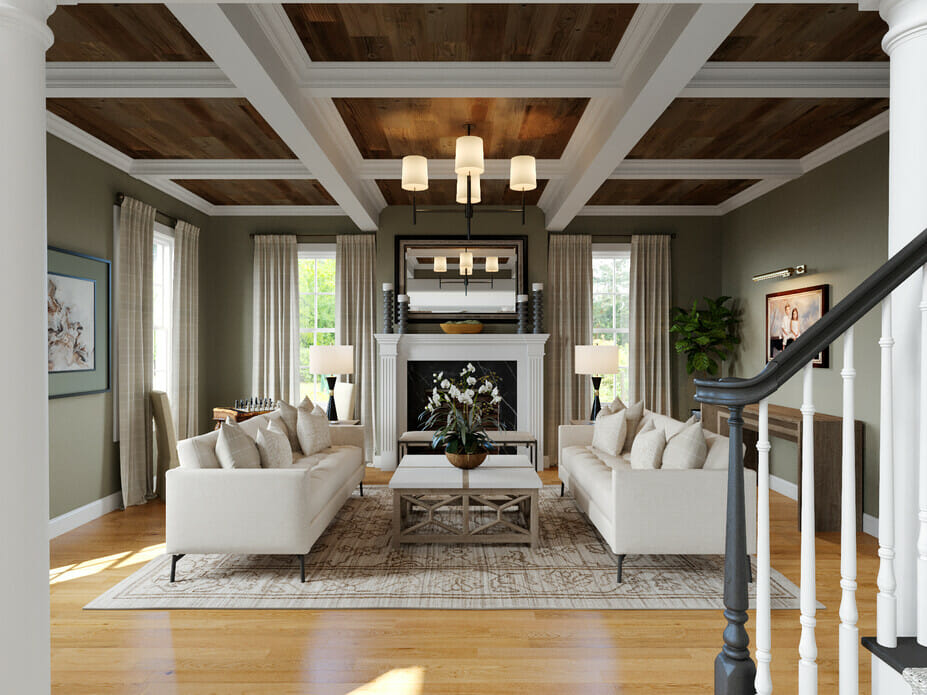
- Longevity: Unlike trend-driven styles, Modern Traditional design has staying power. Your investment in quality pieces will continue to look chic for years to come.
- Comfort & Warmth: It creates incredibly inviting spaces that feel lived-in and welcoming, rather than sterile or museum-like.
- Personal Expression: The blend allows for a wide range of personal tastes to shine through, integrating cherished heirlooms with contemporary finds.
- Resists Trends: It’s adaptable. You can easily update accessories or art to reflect current tastes without overhauling your entire design.
- Sophistication Without Pretense: It offers an elevated aesthetic that is approachable and comfortable, not intimidating.
How to Achieve Modern Traditional: A Step-by-Step Guide
Ready to embark on your design journey? Follow these steps to master the Modern Traditional aesthetic in your home.
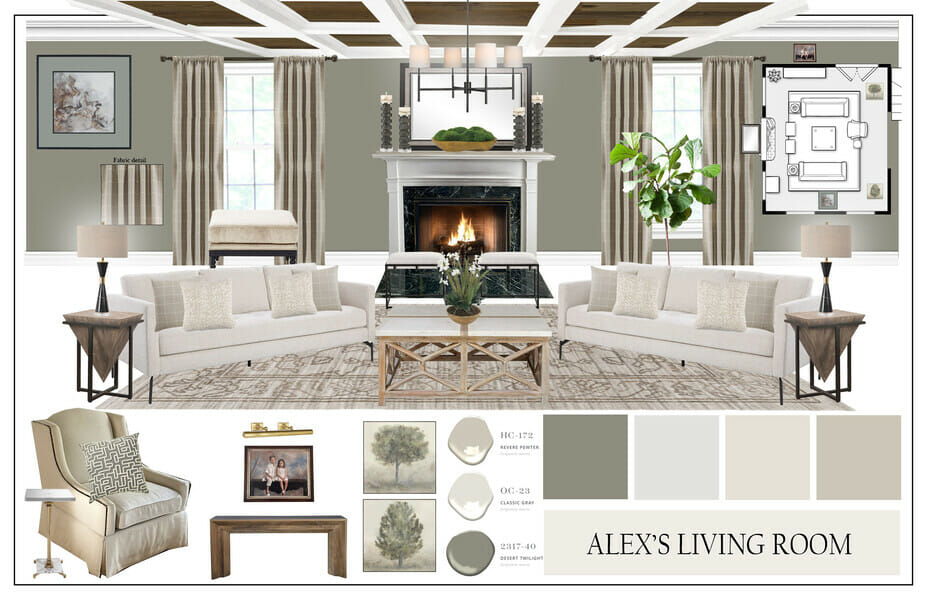
Step 1: Define Your Foundation – The Traditional Core
Begin by establishing a strong traditional base. This provides the historical context and classic elegance that defines the style.
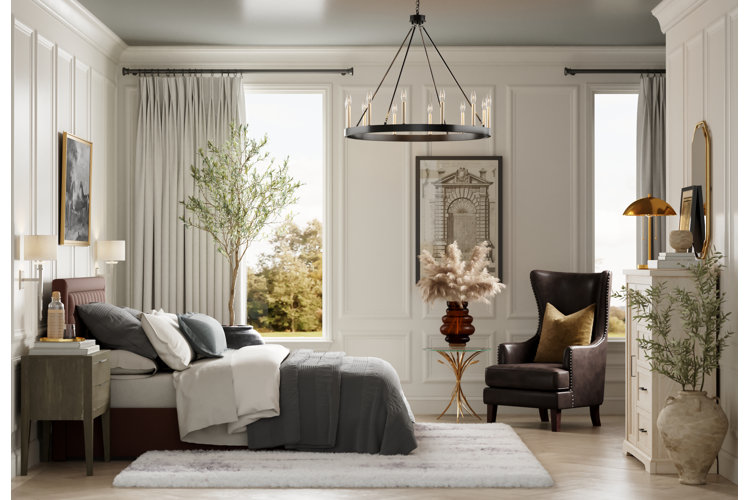
- Architectural Elements: Incorporate classic features like crown molding, wainscoting, intricate baseboards, or a traditional fireplace mantel. These details add character and depth.
- Classic Furniture Silhouettes: Opt for furniture with timeless shapes – rolled arms, tufting, carved legs – but perhaps in a more subdued fabric or finish. Think Chesterfield sofas, wingback chairs, or elegant console tables.
- Timeless Materials: Use natural materials like rich woods (walnut, cherry, mahogany), natural stone (marble, granite), and classic metals (brass, bronze).
Step 2: Introduce Modern Elements – The Contemporary Twist
Once your traditional foundation is in place, strategically introduce modern components to prevent the space from feeling dated.
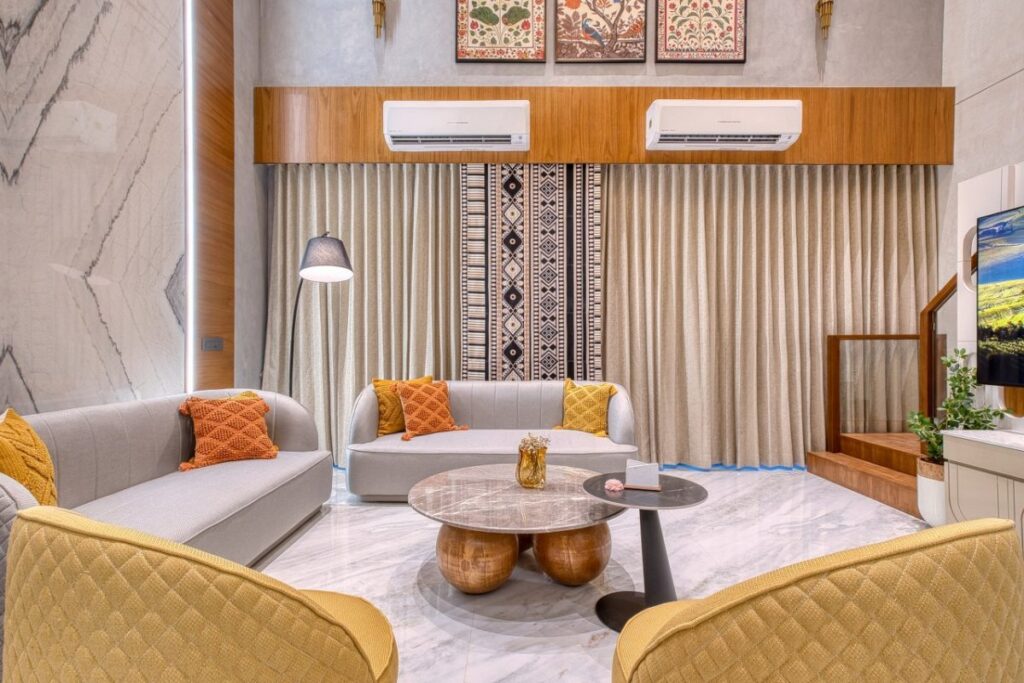
- Clean-Lined Furniture: Balance traditional pieces with modern counterparts. A sleek, armless sofa or a minimalist coffee table can sit beautifully alongside a classic credenza.
- Contemporary Lighting: Swap ornate traditional chandeliers for more streamlined, geometric, or sculptural fixtures. Modern floor and table lamps with simple bases and shades are ideal.
- Abstract Art & Photography: Adorn your walls with modern art, abstract pieces, or contemporary photography. This creates a striking contrast against traditional architecture or furniture.
- Geometric Patterns: While traditional patterns have their place, introduce geometric patterns through rugs, throw pillows, or wallpaper for a fresh, modern edge.
- Openness & Functionality: Prioritize clear pathways and practical layouts, reflecting modern living’s emphasis on flow and utility.
Step 3: Master the Color Palette – Sophisticated Harmony
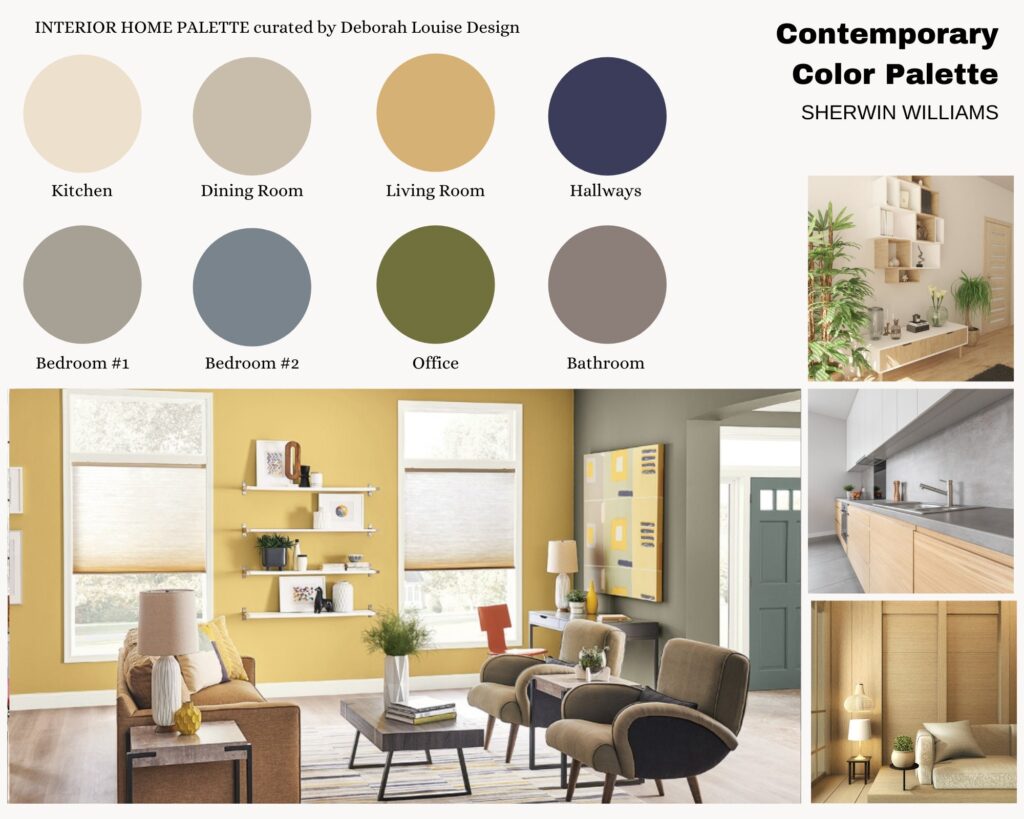
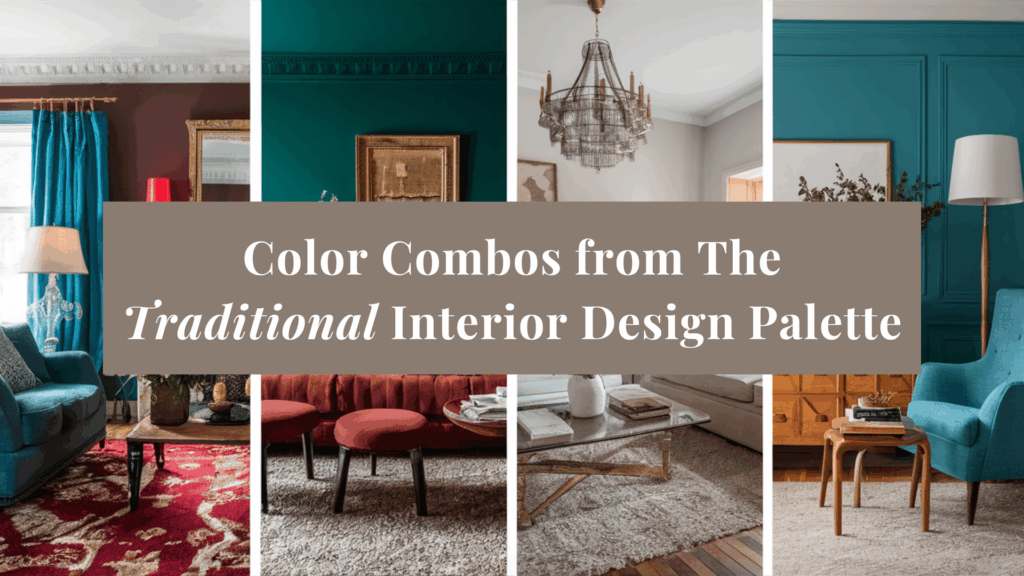
The color scheme is crucial for uniting the two styles. Modern Traditional palettes are typically sophisticated and understated.
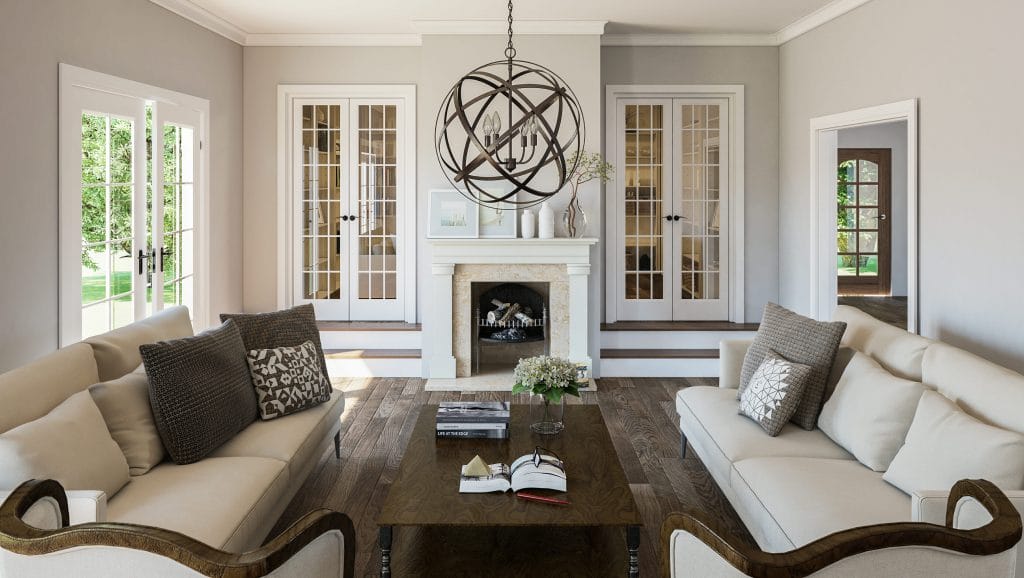
- Neutral Base: Start with a foundation of warm whites, creams, soft grays, taupes, or light beiges. These provide a calm backdrop and allow other elements to shine.
- Layer with Rich Tones: Introduce depth with muted jewel tones (e.g., dusty navy, emerald green, sophisticated burgundy) or earthy shades (charcoal, deep olive, warm terracotta). Use these in textiles, accent furniture, or accessories.
- Consider Monochromatic Schemes: A palette of varying shades within one color family can be incredibly sophisticated, relying on texture to create interest.
Step 4: Select Furniture Wisely – The Art of Blending
This is where the “mix” truly comes to life. Don’t be afraid to combine different eras and styles.
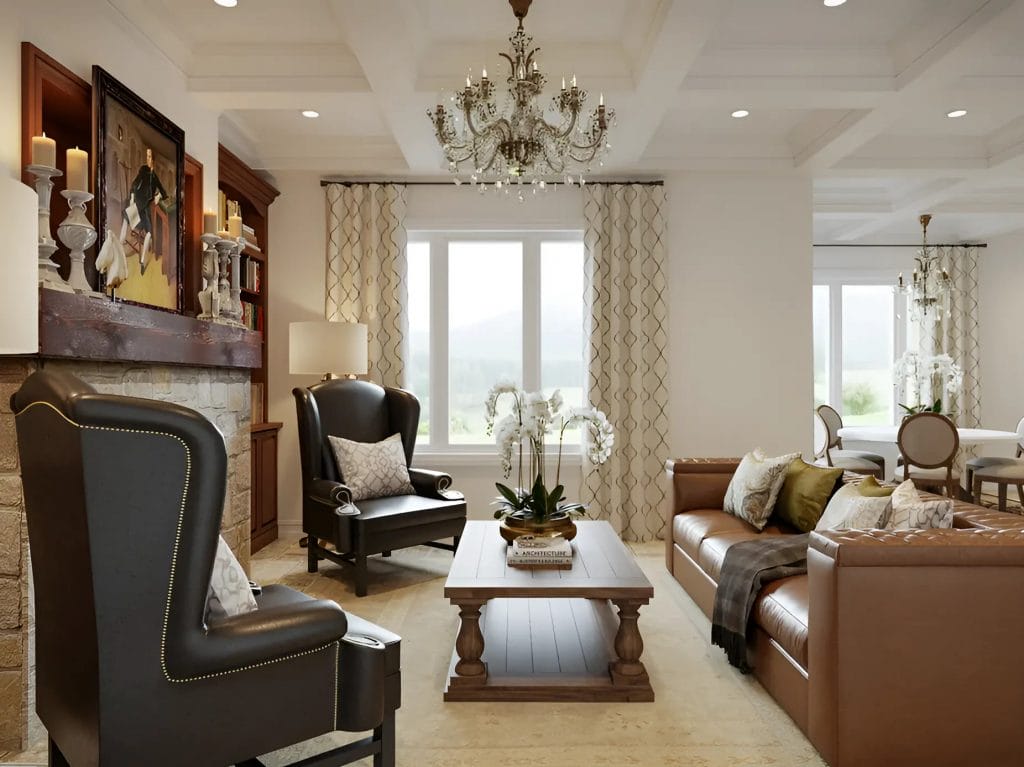
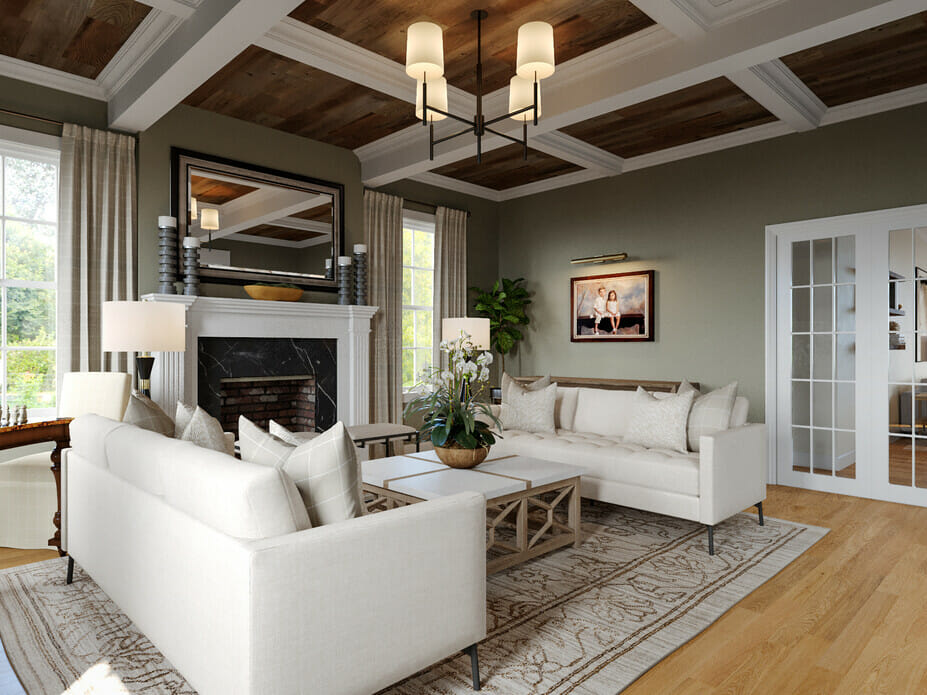
- Mix & Match: Pair a traditional tufted sofa with modern accent chairs. Place a sleek, glass-and-metal coffee table in front of an antique console.
- Prioritize Comfort & Quality: Invest in well-made pieces that are both durable and comfortable. This is a hallmark of enduring design.
- Scale & Proportion: Ensure all furniture pieces are proportionate to the room and to each other. A delicate modern chair might get lost next to an oversized traditional cabinet.
- Avoid Extremes: Steer clear of overly ornate, heavy traditional pieces that might feel stuffy, and equally avoid stark, uncomfortable modern pieces that lack warmth.
Step 5: Layer Textures and Patterns – Visual Richness
Texture adds warmth, depth, and visual interest, making a space feel inviting and luxurious.
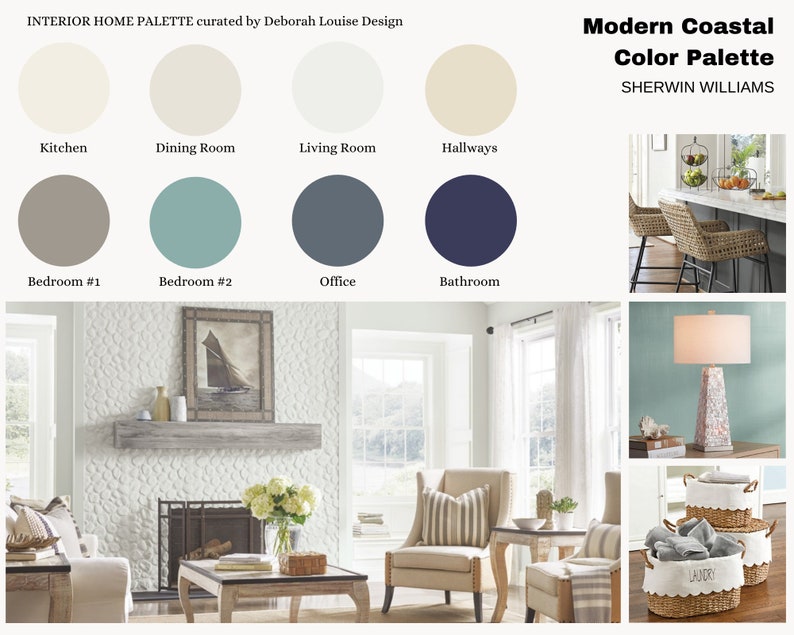
- Natural Fibers: Incorporate linen, wool, cotton, and jute for a comfortable, organic feel through rugs, throws, and curtains.
- Luxurious Materials: Introduce velvet, silk, leather, or faux fur through pillows, upholstery, or accent pieces for a touch of refined elegance.
- Subtle Patterns: Blend traditional patterns like subtle florals, damasks, or stripes with contemporary geometrics or abstracts. Ensure patterns complement the overall color scheme and don’t compete.
- Rugs: A Persian or Oriental rug can anchor a traditional look, while a neutral sisal or a contemporary abstract rug can bridge the gap beautifully.
Step 6: Illuminate with Intention – Lighting as Art
Thoughtful lighting creates atmosphere and highlights key design elements.
- Layered Lighting: Combine ambient (overall), task (reading), and accent (spotlighting art) lighting.
- Mix Styles: Use a traditional chandelier as a focal point, complemented by modern floor lamps or sleek wall sconces.
- Dimmer Switches: Install dimmers to control the mood and adapt the lighting to different times of day or activities.
Step 7: Accessorize Thoughtfully – The Finishing Touches
Accessories are the final layer that brings personality and polish to your Modern Traditional space.
- Curated Collections: Display cherished books, unique ceramic vases, sculptural objects, or a collection of framed photographs.
- Art that Bridges: Choose artwork that either leans traditional with a modern twist (e.g., classical portraiture with a bold, contemporary frame) or modern art in a traditional setting.
- Mirrors: An ornate, gilded mirror can add traditional grandeur, while a large, simple framed mirror can expand the space with modern flair.
- Greenery: Plants – whether a large fiddle-leaf fig or smaller potted herbs – bring life and a touch of organic modernism.
- Less is More: Avoid clutter. Each accessory should feel intentional and contribute to the overall aesthetic.
Step 8: Personalize Your Space – Your Unique Story
Ultimately, your home should reflect you. Modern Traditional design is flexible enough to incorporate your personal narrative.
- Incorporate Heirlooms: Integrate family heirlooms or antique finds. Give them a fresh context by pairing them with modern pieces.
- Travel Souvenirs: Display unique items from your travels to add a global, personal touch.
- Reflect Your Passions: Let your hobbies and interests guide some of your choices, making the space truly your own.
Common Mistakes to Avoid
- Going Too Heavy on One Style: The key is balance. Don’t let your space become purely traditional or purely modern.
- Ignoring Scale and Proportion: Ensure all elements – from furniture to art – are appropriately sized for the room.
- Clutter: Modern Traditional values a curated, sophisticated look. Too many accessories can detract from this.
- Lack of Cohesive Color Palette: Without a unifying color scheme, the mix of styles can look chaotic rather than harmonious.
Conclusion
Modern Traditional Interior Design offers a beautiful pathway to creating a home that is both eternally stylish and wonderfully comfortable. By thoughtfully blending the enduring elegance of the past with the clean, functional aesthetics of the present, you can achieve a space that feels sophisticated, inviting, and uniquely yours. Embrace the blend, experiment with textures and finishes, and most importantly, design a home that tells your story. Start your transformation today, and enjoy the timeless appeal of Modern Traditional design!