Nimila
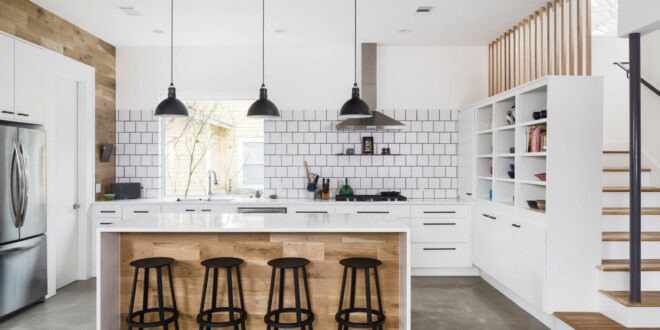
Ah, the kitchen. It’s not just a room; it’s the heart of our homes, the bustling hub where culinary magic happens, stories are shared, and memories are forged. And when it comes to designing this pivotal space, we’re constantly searching for that perfect blend of beauty, resilience, and character. For a while now, the raw, unadorned charm of concrete has captivated the design world, offering an undeniably cool, industrial-chic aesthetic. But let’s be honest, real poured concrete has its quirks – it can be tricky to install, prone to staining, and sometimes feel a little too unforgiving. So, what if you could capture that coveted look without any of the headaches? Enter the magnificent world of concrete look tiles for your kitchen – a game-changer that promises style, durability, and a touch of effortless urban sophistication.
Imagine stepping into a kitchen that feels both cutting-edge and timeless, robust yet refined. That’s the promise of concrete-effect tiles. They’ve soared in popularity, transforming kitchens from bland to grand with their versatile textures and tones. This isn’t just a fleeting trend; it’s a design philosophy that champions understated elegance and functional artistry. Throughout this comprehensive guide, we’re going to dive deep into everything you need to know about integrating these stunning tiles into your kitchen. We’ll explore why they’re such a fantastic choice, delve into the vast array of styles available, uncover where they can make the biggest impact, and even share some insider tips on design, installation, and care. Get ready to fall in love with the urban edge that concrete look tiles can bring to your culinary sanctuary!
Why Concrete Look Tiles are the Unsung Heroes of Modern Kitchens
Let’s face it, your kitchen works hard. It needs materials that can withstand spills, splatters, foot traffic, and the occasional dropped pot. While authentic concrete offers a unique appeal, its porous nature and demanding installation process can deter many homeowners. This is precisely where concrete-inspired tiles step in, offering a superior alternative that doesn’t compromise on style or substance. Here’s why they’ve earned their place as a favorite among designers and homeowners alike:
Aesthetics That Speak Volumes: Industrial Chic Meets Warm Minimalism
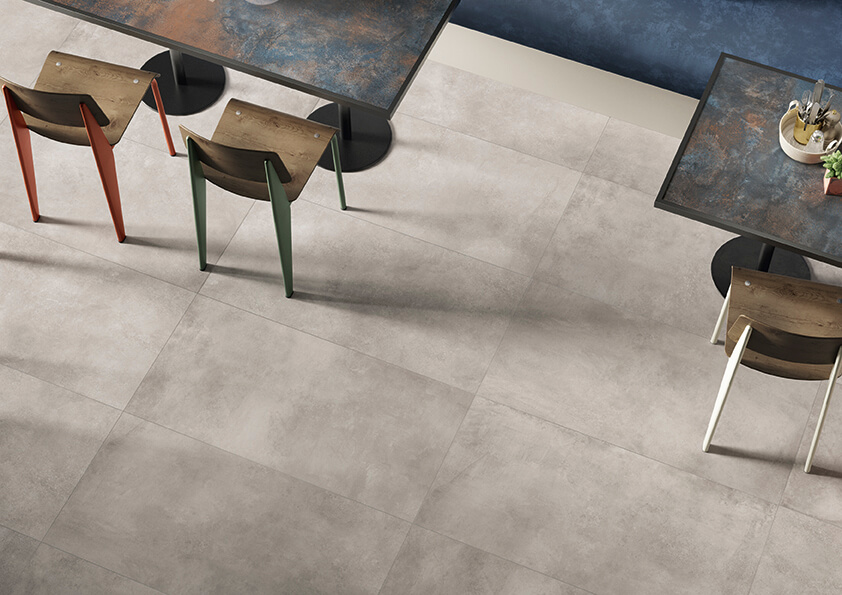
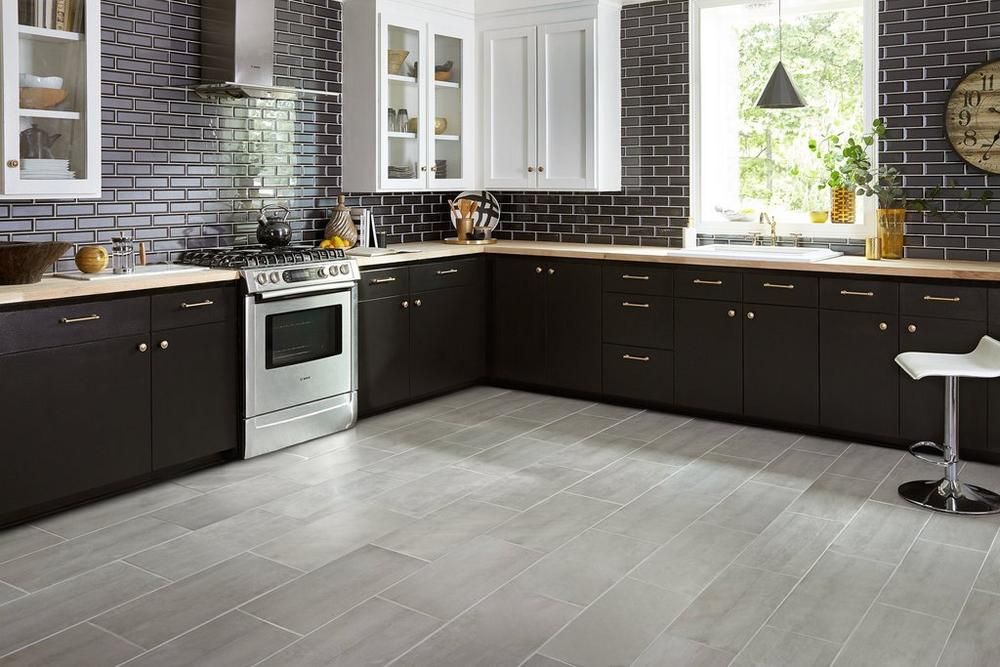
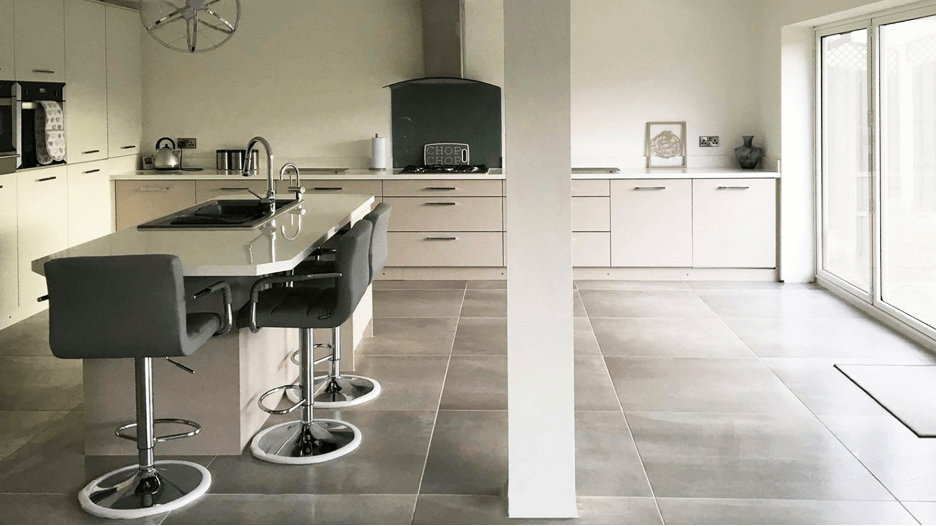
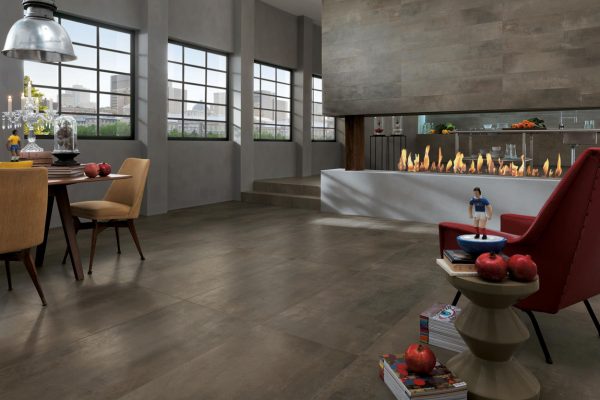
The visual appeal of cement-effect tiles is truly something to behold. They effortlessly capture the raw, honest beauty of concrete, complete with subtle variations, aggregate details, and natural imperfections that tell a story. This isn’t about sterile uniformity; it’s about celebrating organic texture and depth. Whether you’re aiming for a stark industrial loft vibe, a serene minimalist retreat, or a contemporary space with an edge, these tiles provide the perfect canvas. Their neutral palette, often featuring various shades of gray, greige, and even charcoal, makes them incredibly versatile, allowing other elements in your kitchen – like vibrant cabinetry or natural wood accents – to truly pop.
Unrivaled Durability: Built to Last, Designed to Impress
Unlike real concrete, which can chip, crack, or stain if not properly sealed and maintained, concrete look tiles (especially those made from porcelain) are incredibly robust. They are fired at extremely high temperatures, making them dense, non-porous, and remarkably resistant to scratches, dents, and heavy impact. This means your kitchen floor or backsplash can endure the daily hustle and bustle without showing wear and tear, maintaining its pristine appearance for years to come. Imagine the peace of mind knowing your beautiful kitchen surfaces can handle whatever life throws at them!
Effortless Maintenance: More Living, Less Cleaning
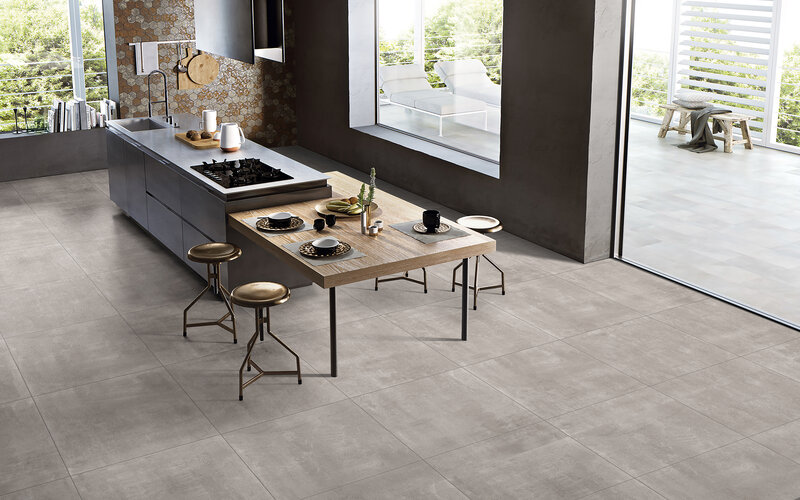
This is where cement-effect tiles truly shine for busy households. Because they are non-porous, they don’t require the frequent sealing that real concrete demands. Spills, whether it’s red wine or tomato sauce, simply sit on the surface, making them incredibly easy to wipe clean. A quick sweep or vacuum, followed by a damp mop with a mild cleaner, is all it takes to keep them looking immaculate. Forget about specialized cleaners or laborious maintenance routines; these tiles are designed for modern living, freeing up your time for what truly matters.
Stunning Versatility: A World of Options at Your Fingertips
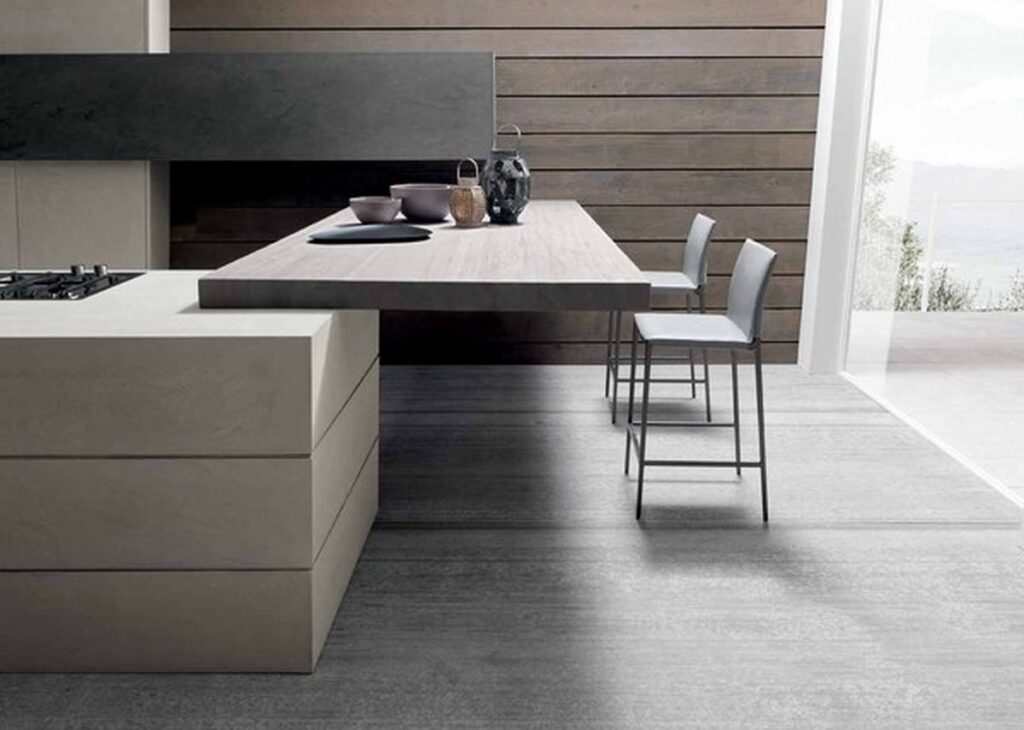
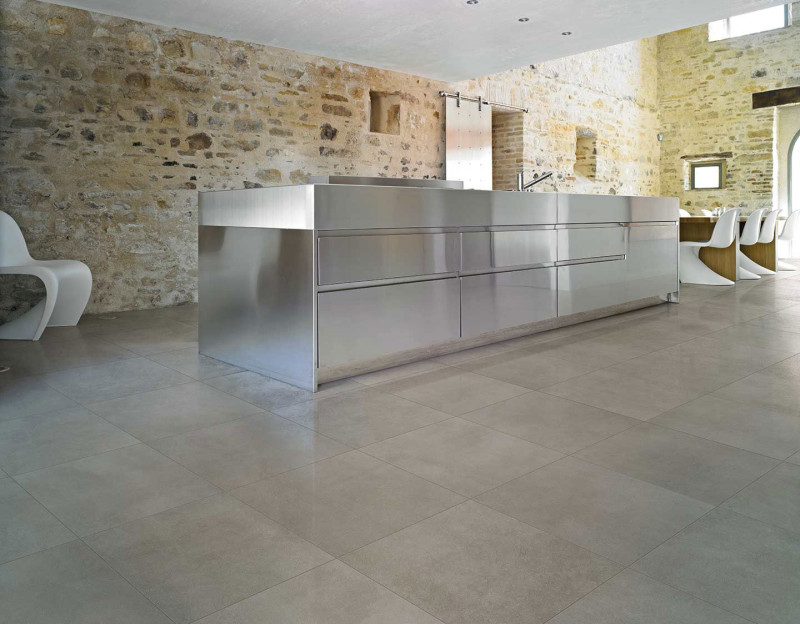
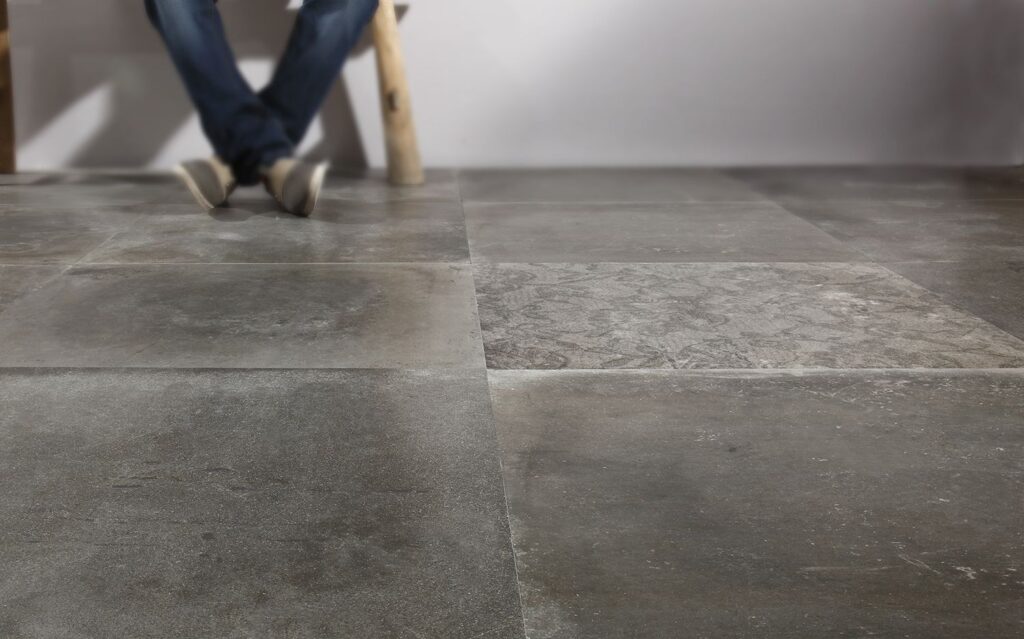
The range of concrete look tiles available today is staggering. You’re not just limited to plain gray squares! Manufacturers have perfected the art of replication, offering a diverse palette of colors – from pale, almost white grays to deep, brooding charcoals and warm greiges. Beyond color, you’ll find an incredible variety of textures, from silky smooth, polished finishes that reflect light beautifully, to rough, tactile surfaces that authentically mimic raw concrete. Add to this an assortment of sizes, from expansive large-format slabs that create seamless surfaces to smaller, more intricate patterns, and you have endless design possibilities to explore.
Cost-Effectiveness: Achieving High-End Looks Without Breaking the Bank
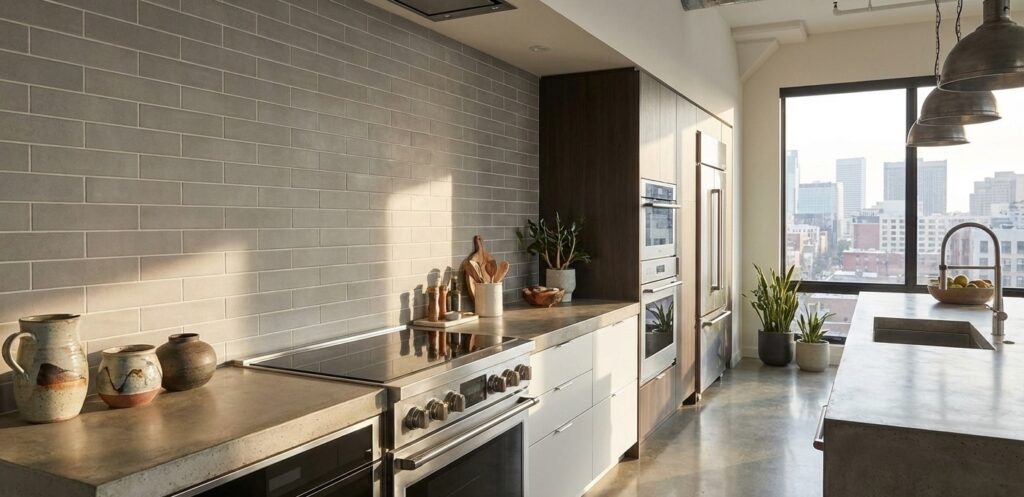
While the initial cost of concrete look tiles can vary, they generally present a more budget-friendly option compared to professionally poured and finished concrete countertops or floors. When you factor in the reduced installation time (especially if you hire experienced tile setters) and the minimal long-term maintenance, the overall value proposition is undeniably attractive. You get a high-end, designer aesthetic without the premium price tag often associated with bespoke concrete work.
Delving into the Diverse World of Concrete Look Tiles
One of the most exciting aspects of choosing faux concrete tiles for your kitchen is the sheer variety available. This isn’t a one-size-fits-all solution; it’s a rich tapestry of options designed to suit every taste and requirement. Let’s break down the different facets you can explore.
Material Matters: Porcelain Reigns Supreme
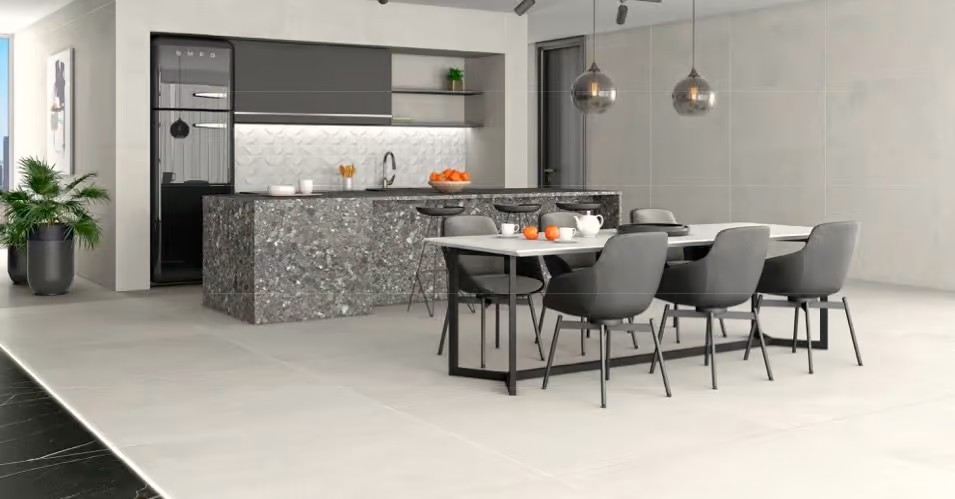
- Porcelain Tiles: When we talk about concrete look tiles, porcelain is almost always the star of the show, especially for high-traffic areas like the kitchen. Porcelain is an incredibly dense, non-porous ceramic that offers superior durability, water resistance, and stain resistance. It’s frost-proof (though not a major concern for indoor kitchens, it speaks to its hardiness) and can beautifully replicate the intricate details and textures of real concrete. For flooring, backsplashes, and even countertops, porcelain is the top recommendation.
- Ceramic Tiles: While also a good option, ceramic tiles are slightly less dense and generally more porous than porcelain. They can still offer a fantastic concrete aesthetic for backsplashes and lighter-traffic areas, but for a kitchen floor, porcelain’s enhanced durability makes it the preferred choice.
Finishes: A Tactile Experience
The finish of your concrete look tile dramatically impacts its final appearance and feel. This is where the magic of replication truly shines, offering textures that fool the eye and the touch.
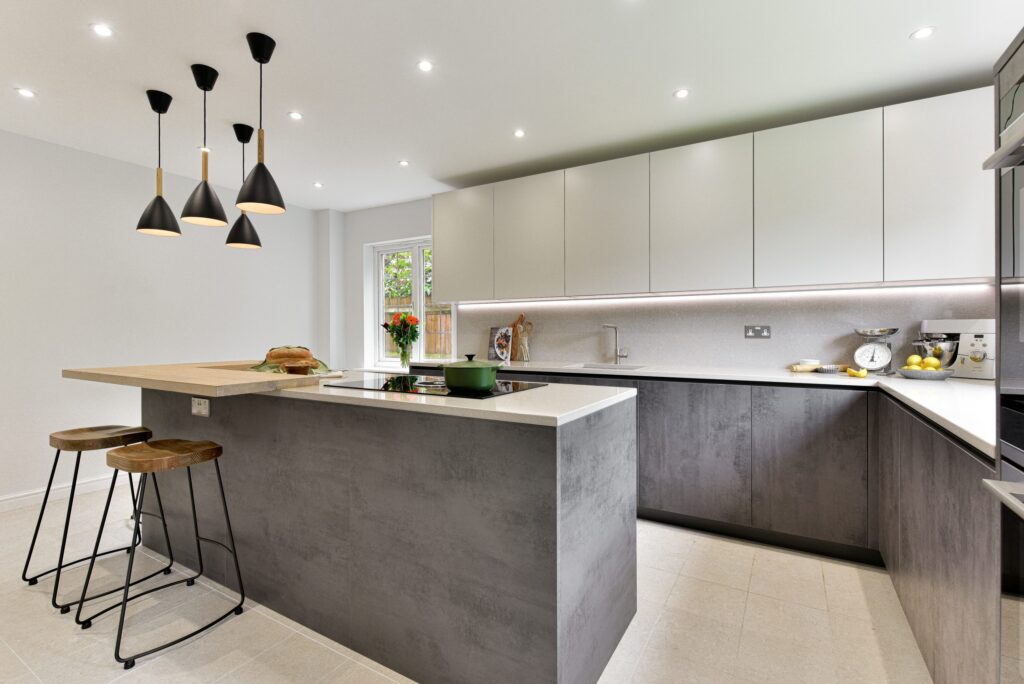
- Matte Finish: This is arguably the most authentic finish, perfectly mimicking the natural, unpolished look of raw concrete. Matte tiles are fantastic for slip resistance, making them ideal for kitchen floors. They absorb light rather than reflecting it, creating a soft, understated elegance that is both modern and grounded.
- Polished (Lappato) Finish: For those seeking a sleek, contemporary, and slightly more luxurious feel, polished or semi-polished (lappato) concrete-effect tiles are a stunning choice. They have a subtle sheen that reflects light, making spaces feel brighter and more expansive. While beautiful, be mindful that polished surfaces can be more prone to showing smudges and might be slightly less slip-resistant than their matte counterparts.
- Textured Finish: Some tiles go the extra mile to replicate the tactile irregularities of concrete, featuring subtle grooves, slight undulations, or even imprints that simulate the wood forms used in poured concrete. These textured tiles add incredible depth and character, enhancing the raw, industrial vibe while often offering improved slip resistance.
Colors and Tones: Beyond Just Gray
While gray is the quintessential concrete color, the spectrum of available tones for these tiles is far more expansive than you might imagine.
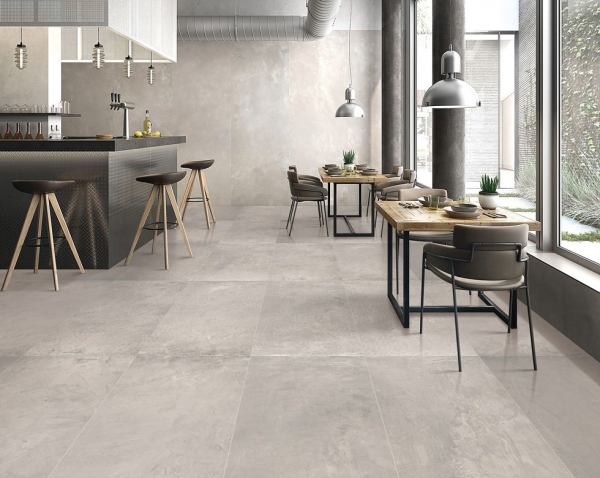
- Classic Grays: From ethereal light grays that brighten a space to profound charcoals that add dramatic depth, the range of grays offers endless possibilities. Light grays can make a small kitchen feel larger, while darker grays create a sophisticated, moody atmosphere.
- Warm Greiges: A beautiful blend of gray and beige, greige tones offer a softer, more inviting version of the concrete look. These are perfect for kitchens where you want the industrial aesthetic but with an added touch of warmth and coziness, making them incredibly versatile with various wood tones and color palettes.
- Whites and Off-Whites: For a bright, airy, and expansive kitchen, concrete look tiles in white or off-white offer a minimalist canvas. They provide texture without overwhelming color, creating a serene and clean aesthetic.
- Blacks and Deep Charcoals: For truly bold and dramatic kitchens, dark concrete-inspired tiles create a powerful statement. They exude sophistication and modernity, especially when paired with contrasting light cabinetry or metallic accents.
- Earthy Tones: Some manufacturers produce cement-effect tiles with subtle hints of brown, rust, or other natural earth tones, creating a unique fusion of industrial and organic aesthetics.
Sizes and Shapes: Crafting Your Vision
The size and shape of your tiles can dramatically alter the perception of your kitchen space.
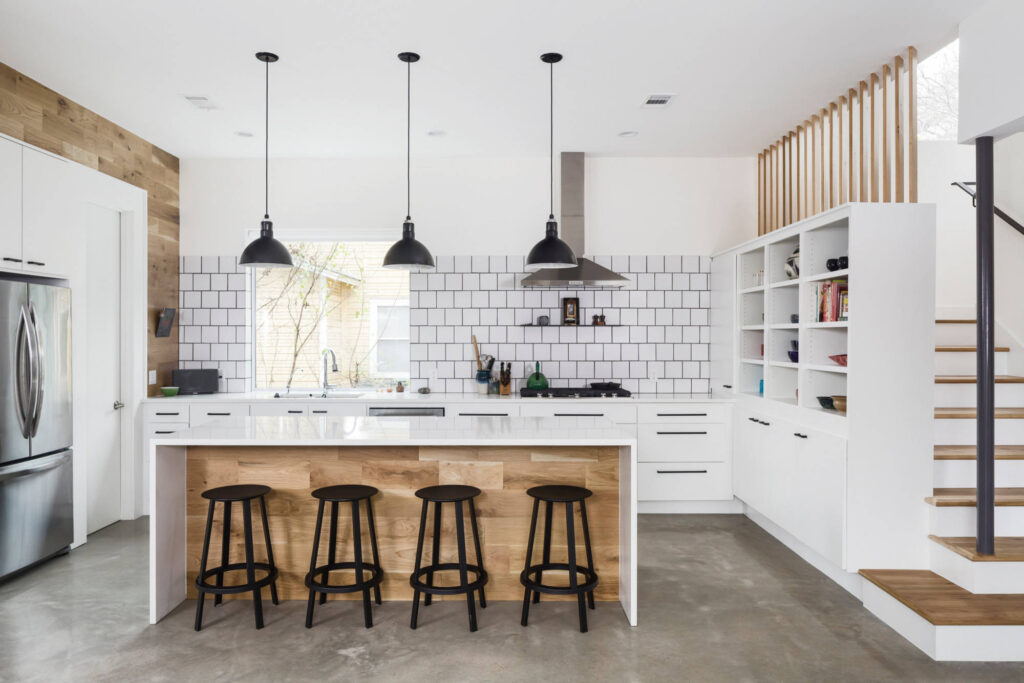
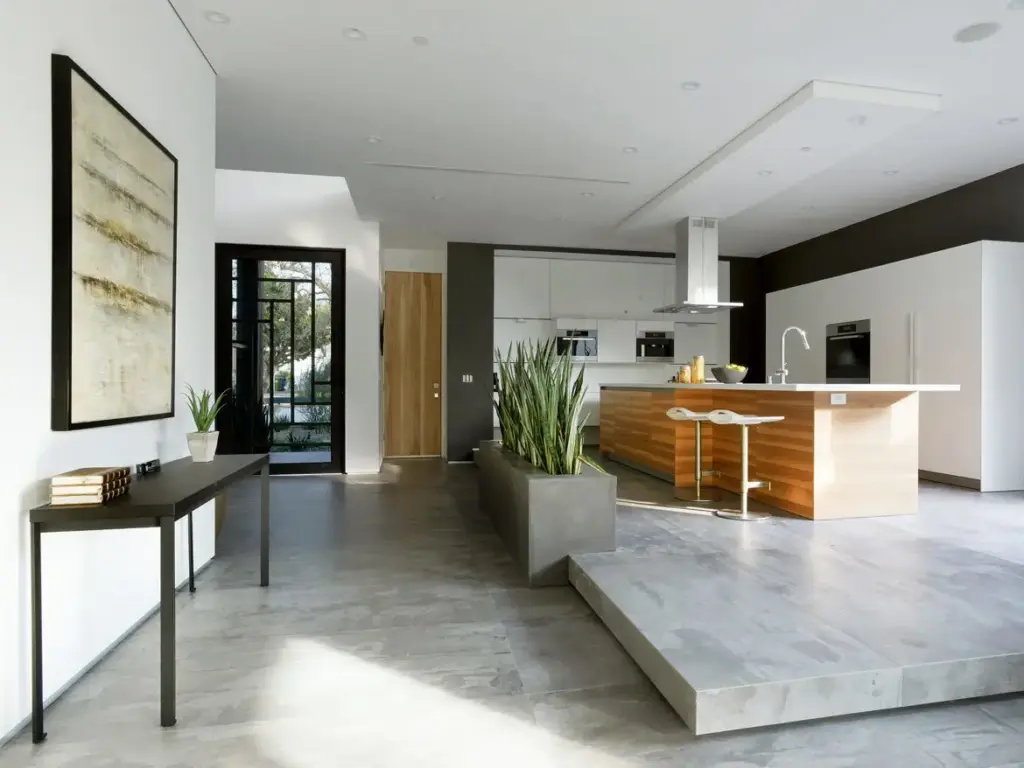
- Large Format Tiles: These are incredibly popular for concrete looks, as they minimize grout lines, creating a more seamless, expansive, and authentic ‘slab’ effect. They make small kitchens feel bigger and large kitchens feel even grander. Sizes can range from 24×24 inches to huge 48×48 inches or even larger slabs.
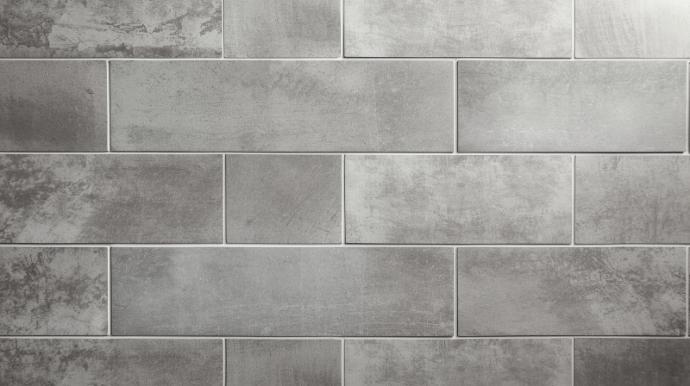
- Rectangular Tiles: Commonly seen in sizes like 12×24 or 24×48 inches, rectangular tiles offer versatility. They can be laid in a staggered (running bond) pattern for a traditional brick-like feel or in a stacked pattern for a more modern, linear look.
- Square Tiles: Classic square tiles are always an option and can provide a timeless foundation for your kitchen design.
- Unique Shapes: While less common for the primary concrete look, some collections offer hexagonal or other geometric concrete-inspired tiles. These can be fantastic for creating a striking feature wall or a unique backsplash.
Where Can Concrete Look Tiles Shine in Your Kitchen?
The beauty of concrete look tiles lies in their adaptability. They aren’t confined to a single application; instead, they can transform multiple surfaces in your kitchen, each time bringing that distinctive urban charm.
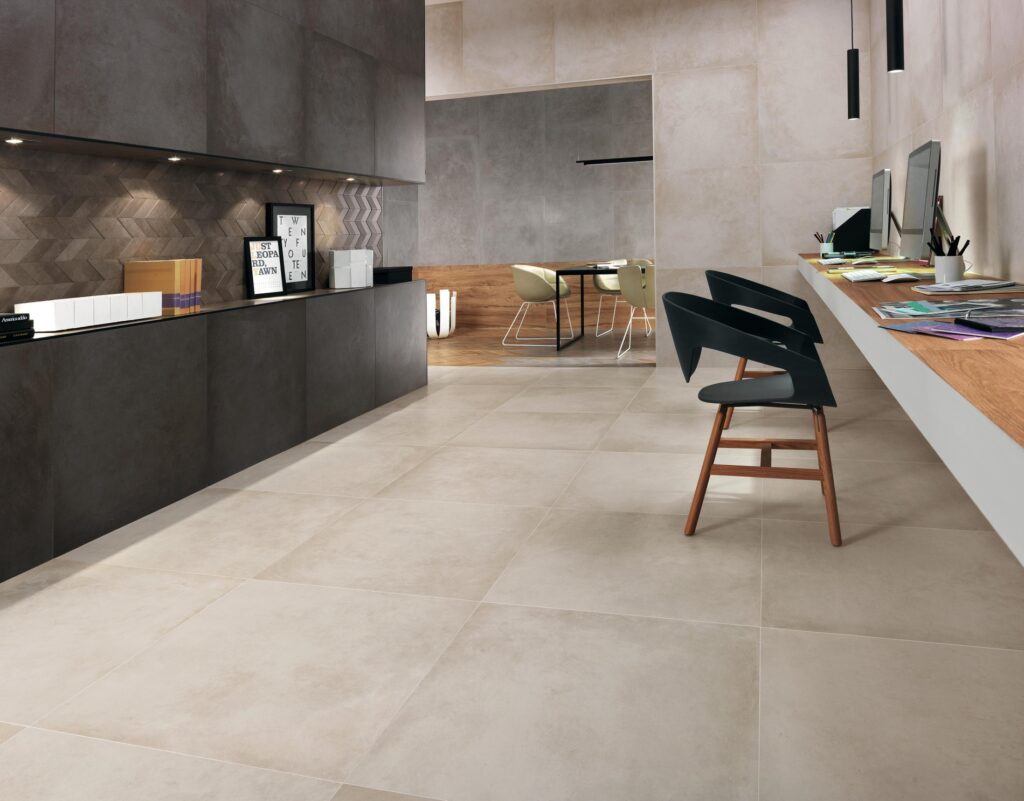
Kitchen Flooring: The Foundation of Style and Durability
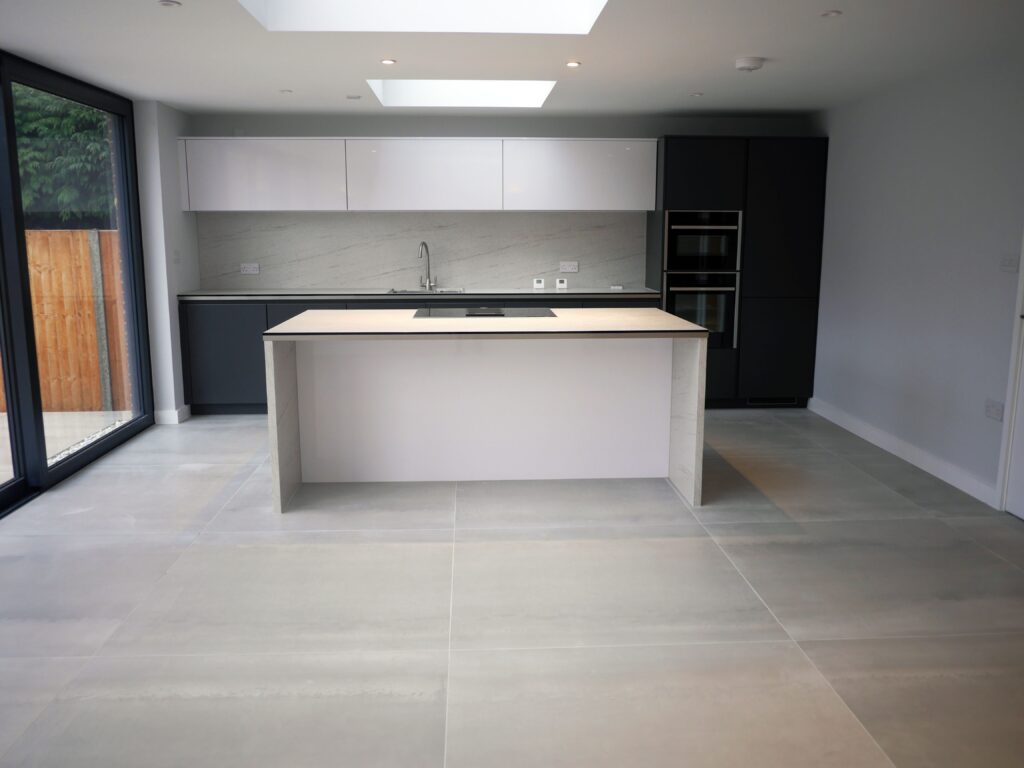
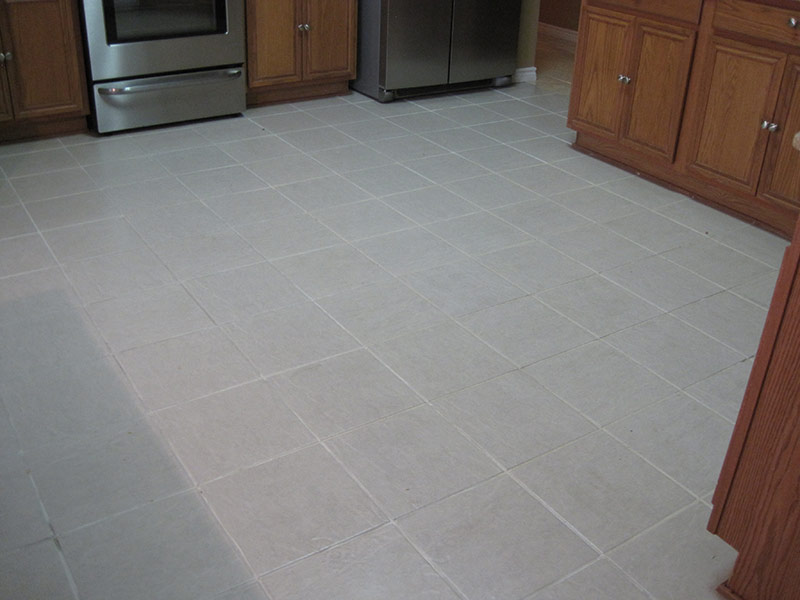
Perhaps the most popular application, concrete-effect tiles on the kitchen floor provide an incredibly robust and stylish foundation. They handle heavy foot traffic with ease, resist spills and stains, and are a dream to clean. Large-format tiles create a continuous, expansive feel, making the kitchen appear larger and more open. Pair them with underfloor heating, and you can banish any concerns about a ‘cold’ floor, enjoying luxurious warmth underfoot even on the chilliest mornings.
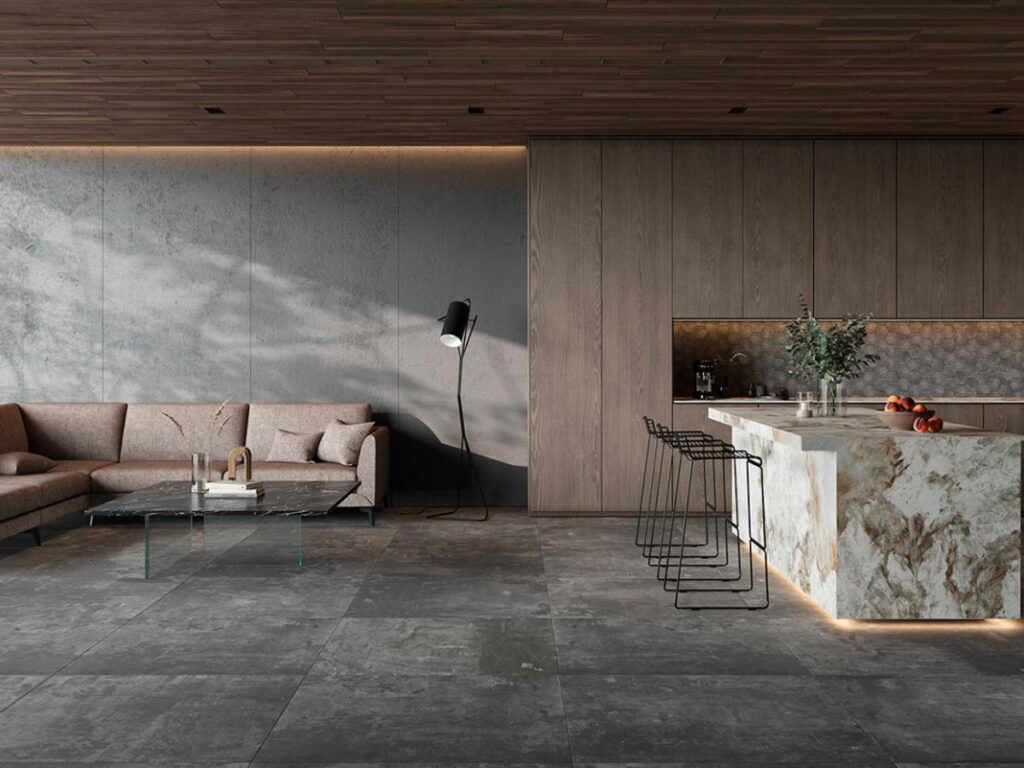
Backsplashes: A Striking Statement or Subtle Backdrop
A concrete-inspired backsplash is an instant style upgrade. It protects your walls from splashes and grease while adding a sophisticated textural element. For a cohesive look, you can match your backsplash tiles to your floor tiles, creating a fluid transition. Alternatively, use a different shade or texture to create a subtle contrast. A full-height backsplash, extending from the countertop to the ceiling, can create a powerful feature wall, especially when paired with open shelving that allows the tile’s beauty to truly shine.
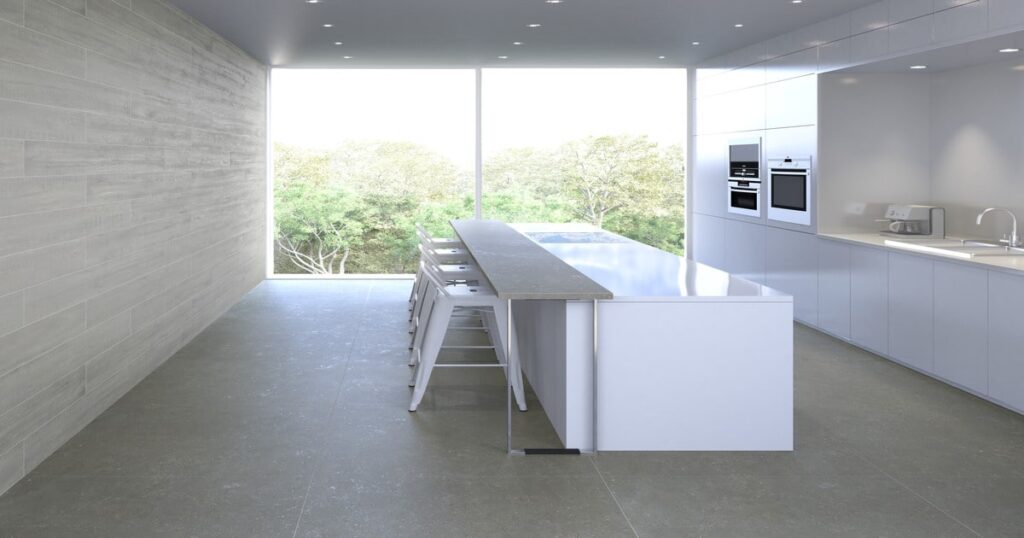
Countertops and Island Wraps: The Illusion of Solid Concrete
This is where concrete look tiles offer a brilliant hack! If you adore the idea of solid concrete countertops but are daunted by the cost, weight, and porosity of the real thing, tiled concrete-effect surfaces are an excellent alternative. When meticulously installed with minimal grout lines (or matched grout), they can create the convincing illusion of a seamless concrete slab. This is particularly striking on kitchen islands, where the tiles can wrap around the sides, creating a monolithic, sculptural presence. While durable, extra care needs to be taken with hot pots and sharp knives directly on tiled countertops, as with any tiled surface.
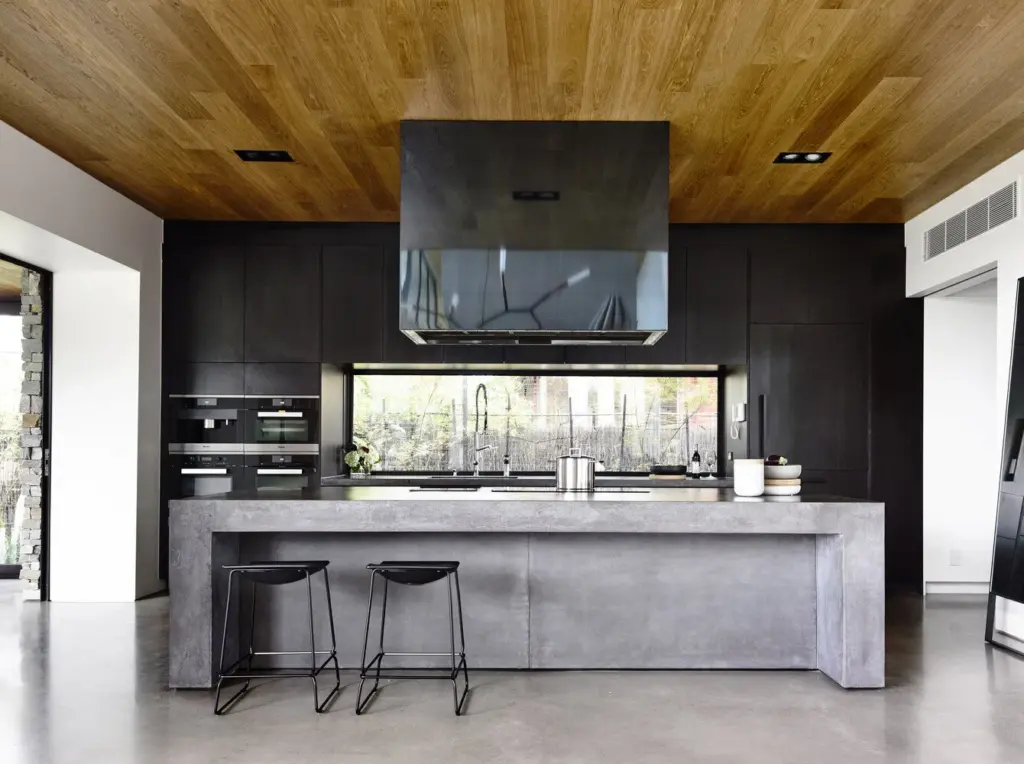
Feature Walls: Creating a Focal Point
Beyond the functional areas, concrete look tiles can be used to create a stunning feature wall in your kitchen or an adjacent dining area. This could be a wall behind a breakfast nook, an accent wall in an open-plan living space that flows from the kitchen, or even the wall behind your main cooking range if you opt for a less traditional backsplash. It’s a fantastic way to introduce architectural interest and an urban aesthetic without overwhelming the entire space.
Open Shelving Backgrounds: Highlighting Your Treasures
If you’re embracing the open shelving trend, consider tiling the wall behind your shelves with concrete-effect tiles. The raw, textural backdrop beautifully contrasts with carefully curated dishes, glassware, and plants, making your display truly stand out. It adds depth and character, transforming a simple storage solution into a captivating design element.
Designing Your Dream Kitchen with Concrete Look Tiles
Integrating concrete-inspired tiles into your kitchen isn’t just about picking a product; it’s about crafting an entire aesthetic. The beauty of these tiles lies in their ability to serve as a versatile backdrop, allowing you to layer in other materials, colors, and textures to achieve your desired mood. Let’s explore how to design a truly cohesive and inviting space.
Complementary Materials: The Art of Contrast and Harmony
To prevent your kitchen from feeling too stark or cold (a common misconception about concrete), it’s crucial to introduce materials that provide warmth, texture, and visual interest. The interplay between different elements is what truly brings a space to life.
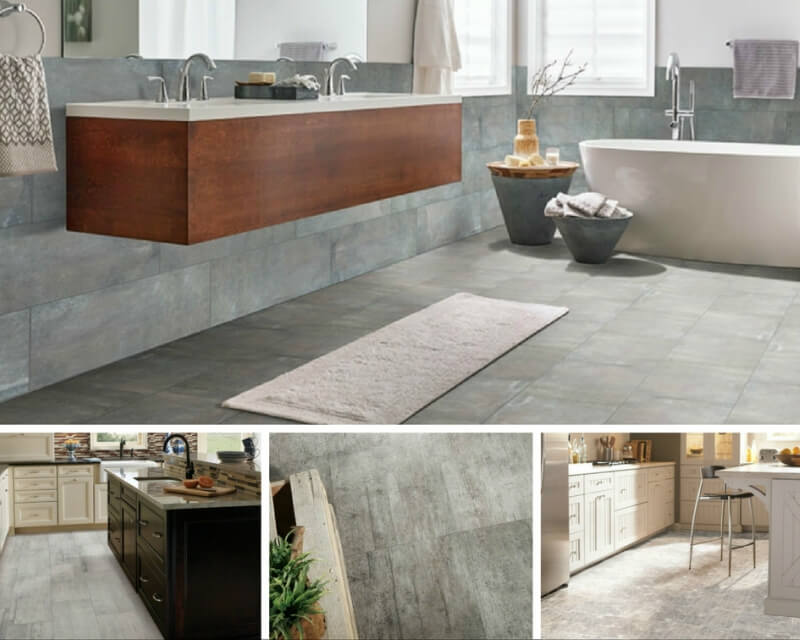
- Wood: This is arguably the most perfect pairing. The natural warmth and organic grain of wood (whether on cabinetry, countertops, open shelving, or even a dining table) beautifully soften the industrial edge of concrete-look tiles. Think rich walnuts, light oaks, or rustic reclaimed timber for an inviting contrast.
- Metal: Embrace the industrial vibe by incorporating metallic accents. Stainless steel appliances, brass hardware, matte black faucets, or even copper pendant lights can elevate the look, adding sophisticated gleam or rugged charm.
- Glass: Glass elements, such as pendant lights, cabinet inserts, or even a glass dining table, introduce lightness and transparency, preventing the space from feeling too heavy.
- Natural Stone: While concrete tiles mimic one natural element, pairing them with other stones like marble or granite (perhaps on a different countertop section or as an accent) can introduce a layer of luxury and natural variation.
- Textiles: Don’t forget the power of soft furnishings! A textured rug, stylish bar stool cushions, or even linen tea towels can add softness, color, and comfort.
Color Palettes: Crafting the Mood
Your choice of color palette will define the atmosphere of your kitchen. Concrete look tiles, with their inherent neutrality, are incredibly forgiving and adaptable.
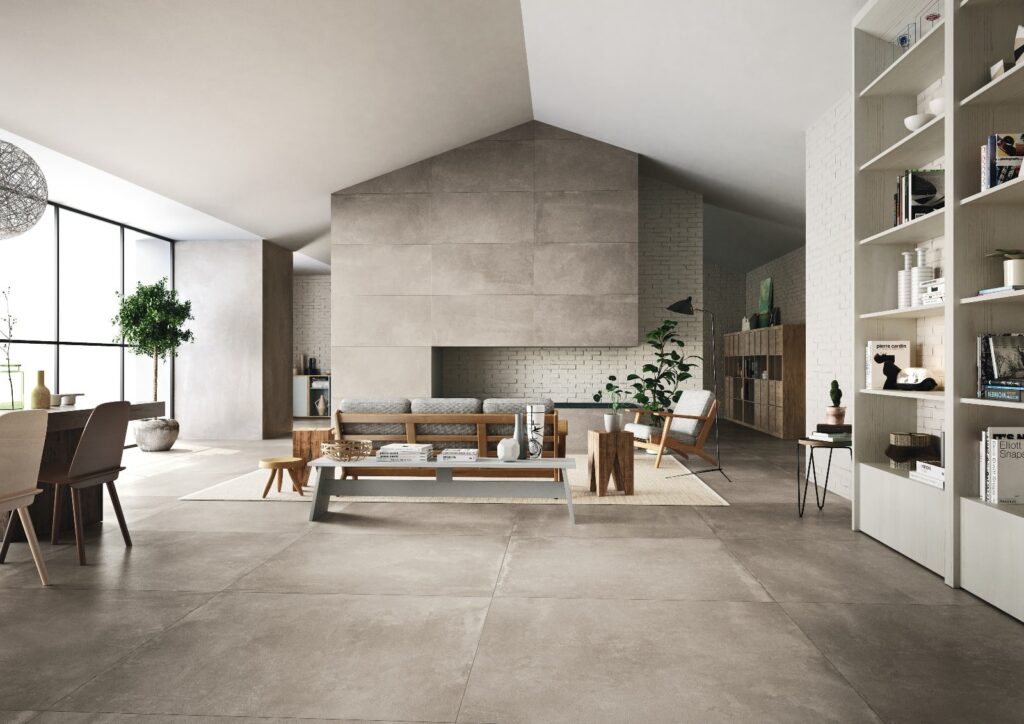
- Monochromatic Serenity: Embrace different shades of gray from your tiles, cabinetry, and even wall paint for a truly serene and minimalist aesthetic. Varying textures within this limited palette will prevent it from feeling flat.
- High Contrast Drama: Pair dark charcoal concrete-effect tiles with crisp white cabinetry for a striking, modern look. Or, conversely, bright white tiles with dark wood or black cabinets for sophisticated drama.
- Soft and Earthy: Opt for greige concrete look tiles and combine them with warm wood tones, muted greens, or soft blues for a more natural, comforting, and inviting kitchen.
- Pops of Vibrancy: Let your concrete-inspired surfaces act as a neutral backdrop, allowing bold colors to shine through accessories, a single colorful appliance, or artwork. This creates a lively, personalized space without overwhelming the core design.
Lighting Considerations: Illuminating Texture and Space
Lighting is paramount in any kitchen, but it’s especially important when working with textured and often neutral surfaces like concrete look tiles. Thoughtful lighting can enhance their beauty and ensure your kitchen feels welcoming, not stark.
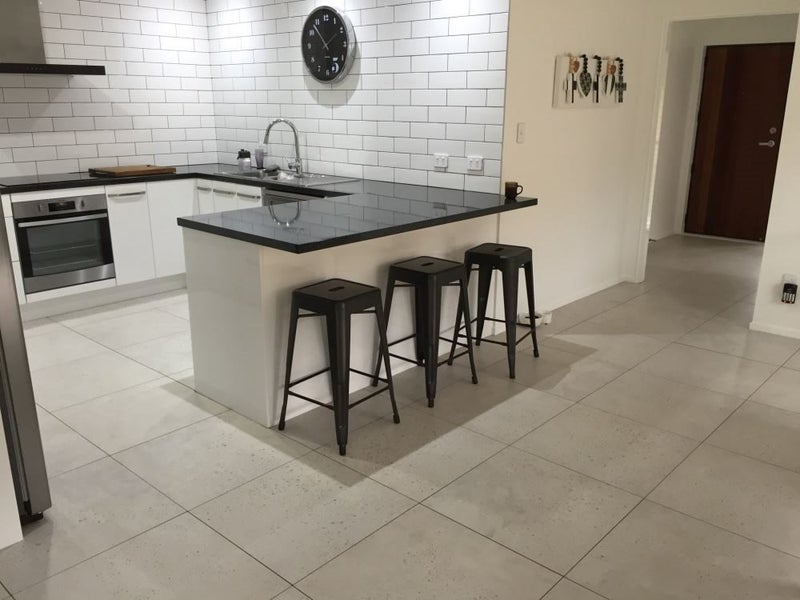
- Natural Light: Maximize natural light wherever possible. Large windows and open layouts will make your concrete-effect surfaces glow and highlight their subtle variations.
- Layered Artificial Lighting: Don’t rely on a single overhead light. Incorporate layers: bright task lighting under cabinets for prep work, ambient lighting for general illumination, and accent lighting (like pendant lights over an island or recessed spotlights) to highlight specific features or add a touch of drama.
- Warm vs. Cool Tones: Consider the color temperature of your lights. Warmer lights (around 2700K-3000K) can make a gray concrete kitchen feel cozier and more inviting, while cooler lights (4000K+) can enhance its crisp, modern edge.
Cabinetry Styles: The Perfect Partner
The style of your cabinetry will significantly influence the overall feel of your kitchen with concrete look tiles.
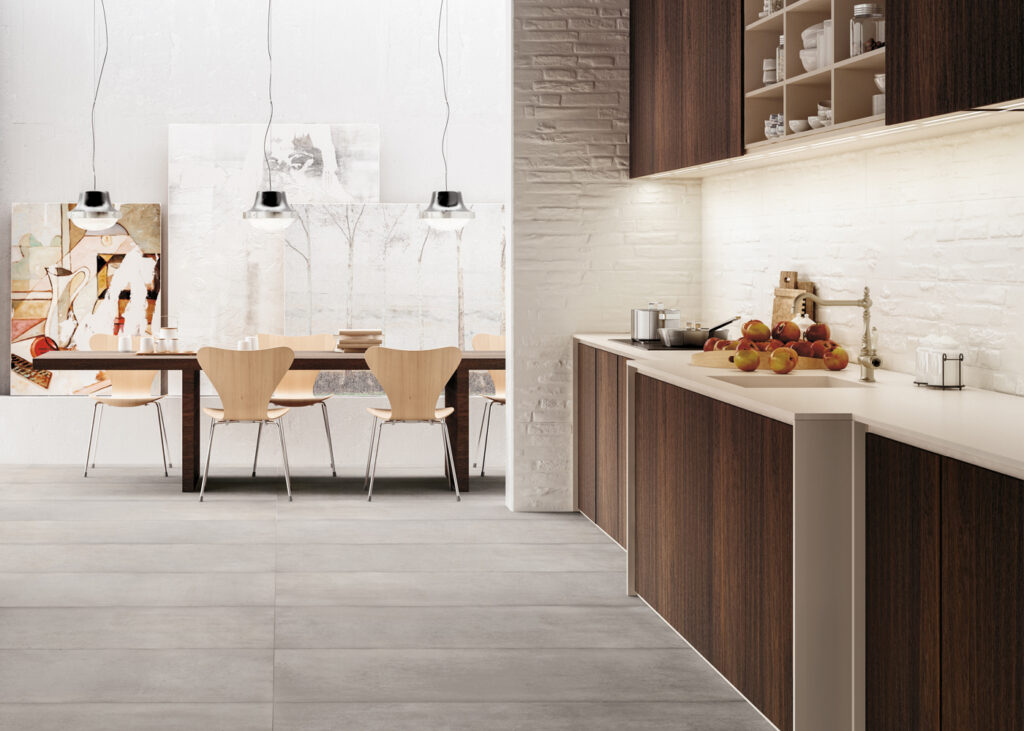
- Sleek, Handleless Modern: For a truly contemporary and seamless look, pair concrete-inspired surfaces with flat-panel, handleless cabinetry. This minimalist approach emphasizes clean lines and a streamlined aesthetic.
- Shaker with a Twist: While traditionally classic, Shaker cabinets can take on an industrial edge when painted in a dark gray or black and paired with concrete-effect tiles. Add simple, modern hardware for a transitional feel.
- Open Shelving: As mentioned, open shelving works beautifully to showcase the texture of a tiled wall behind it, contributing to an airy and personalized kitchen.
Installation & Maintenance: Practicalities for Lasting Beauty
Once you’ve chosen your perfect concrete look tiles, the next steps are installation and ensuring their long-term beauty. While these tiles are famously low-maintenance, a few considerations can make all the difference.
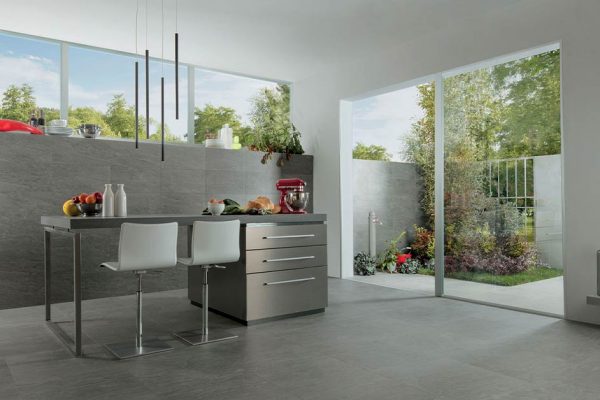
DIY vs. Professional Installation: Weighing Your Options
While some adventurous homeowners might consider a DIY tile installation, especially for smaller areas like a backsplash, hiring a professional tile setter is often the wisest investment, particularly for large format tiles or complex layouts.
- Expertise: Professionals have the experience, specialized tools, and knowledge to ensure proper subfloor preparation, precise leveling, consistent grout lines, and efficient cutting (especially crucial for large, heavy porcelain tiles).
- Large Format Challenges: Large format tiles can be tricky to handle due to their size and weight. Improper installation can lead to lippage (uneven tile edges) or hollow spots, which can cause cracking over time.
- Grout Lines: Achieving uniform, minimal grout lines, often desired with concrete looks, requires skill and precision.
Grout Choices: The Unsung Hero
The grout you choose, both in color and type, can significantly impact the final appearance of your concrete-effect tiled surface.
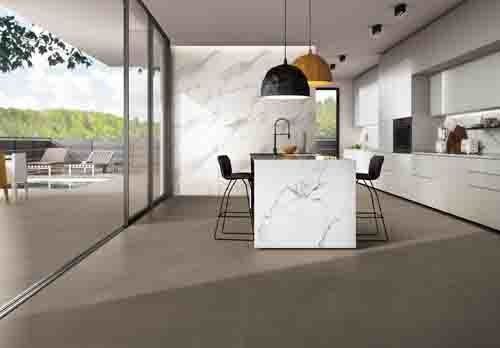
- Matching Grout: For a seamless, almost monolithic concrete slab look, choose a grout color that closely matches your tiles. This minimizes the visual interruption of grout lines, enhancing the expansive feel.
- Contrasting Grout: If you want to highlight the pattern of your tiles or add a subtle graphic element, a slightly contrasting grout color can be effective. For example, a lighter gray grout with darker concrete-look tiles can create a subtle grid effect.
- Epoxy Grout: For kitchens, epoxy grout is an excellent choice. It’s highly resistant to stains, chemicals, and mildew, making it incredibly durable and easy to clean – a perfect partner for your low-maintenance tiles. Standard cementitious grout should be sealed to protect against stains.
- Grout Line Width: For a modern concrete aesthetic, thinner grout lines (e.g., 1/16th to 1/8th inch) are generally preferred, especially with rectified (precisely cut) tiles.
Cleaning & Care: Keeping Them Pristine
One of the biggest advantages of faux concrete tiles is their ease of maintenance. Here’s how to keep them looking their best:
- Regular Cleaning: Sweep or vacuum your tiled floors regularly to remove loose dirt and grit, which can cause minor abrasions over time.
- Mild Detergent: For general cleaning, a damp mop with warm water and a pH-neutral, mild household detergent is usually sufficient. Avoid harsh abrasive cleaners or strong chemicals, which can potentially damage grout or tile finishes over time (though porcelain is highly resistant).
- Spot Cleaning: Wipe up spills immediately with a soft cloth to prevent any potential staining, especially on grout lines if they’re not epoxy or sealed.
- Grout Care: Even with low-maintenance tiles, grout can accumulate dirt. If needed, use a dedicated grout cleaner and a soft brush for tougher spots.
Debunking Common Myths About Concrete Look Tiles
Despite their growing popularity, some misconceptions about concrete-inspired tiles still linger. Let’s set the record straight and reassure you that these tiles are a fantastic choice for a warm, inviting, and stylish kitchen.
Myth 1: “Concrete Look Tiles Will Make My Kitchen Feel Cold and Uninviting.”
Reality: This is perhaps the most common fear, but it’s easily debunked. While the raw concrete aesthetic can lean industrial, the overall warmth of your kitchen depends on the materials and colors you pair with the tiles. As discussed, incorporating warm wood tones, vibrant textiles, thoughtful lighting (especially warm-toned lights), and pops of inviting color can completely transform the atmosphere. Greige concrete-look tiles, in particular, inherently bring a softer, warmer feel. The tiles provide a neutral, sophisticated backdrop, allowing you to infuse warmth and personality through other design elements.
Myth 2: “They’re Only Suitable for Ultra-Modern or Industrial Kitchens.”
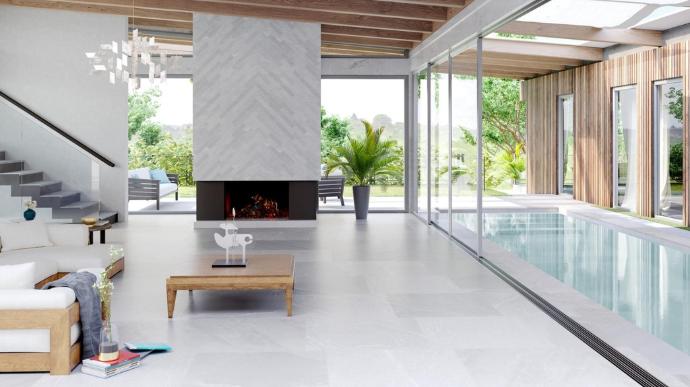
Reality: While concrete-effect tiles are a natural fit for modern, minimalist, and industrial designs, their versatility extends much further. They can beautifully complement transitional kitchens, adding an unexpected contemporary twist to Shaker cabinetry. In farmhouse-style kitchens, a light gray concrete-look floor can provide a clean, updated foundation that harmonizes with rustic wood and vintage accents. The key is in the pairing and the specific shade/texture of the tile you choose. They are far more adaptable than people give them credit for.
Myth 3: “Concrete Look Tiles Are Just a Fad and Will Go Out of Style Quickly.”
Reality: The appeal of concrete in design is deeply rooted in its honest, architectural quality. It’s a timeless material, and its replicated form in tile isn’t just a fleeting trend. The ability of concrete-effect tiles to offer a sophisticated, durable, and low-maintenance surface means they have staying power. They offer a classic, understated elegance that transcends quick fads, making them a wise long-term investment for your kitchen.
Myth 4: “They Are Too Expensive for a Regular Kitchen Renovation.”
Reality: While there are premium options available, concrete look tiles come in a wide range of price points, making them accessible for various budgets. Moreover, when you compare the overall cost (material + installation + long-term maintenance) to options like real poured concrete, high-end natural stone, or some engineered materials, concrete-effect tiles often prove to be a more cost-effective solution in the long run, delivering exceptional value for their durability and aesthetic appeal.
The Future of Kitchen Design: Embracing the Concrete Aesthetic
As we look ahead, the demand for practical, beautiful, and sustainable materials in home design continues to grow. Concrete look tiles are perfectly positioned to meet these evolving needs. We’re seeing trends like:
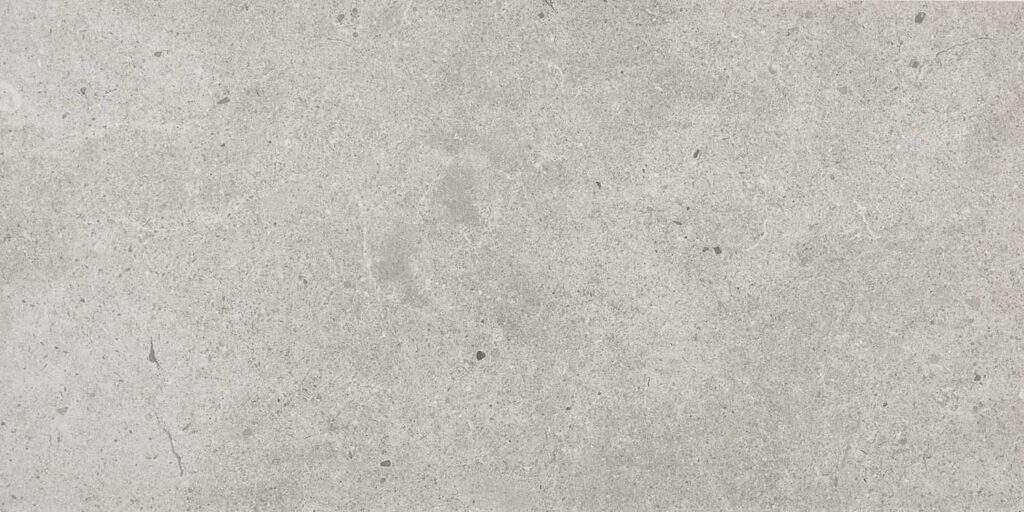
- Enhanced Realism: Manufacturers are continually pushing the boundaries, creating tiles with even more convincing textures, subtle aggregate inclusions, and a wider range of natural variations, making them virtually indistinguishable from authentic concrete.
- Sustainable Options: A growing number of concrete-inspired tiles are being produced with recycled content or through environmentally conscious manufacturing processes, appealing to eco-minded homeowners.
- Integration with Technology: Expect seamless integration with smart kitchen features, from induction cooktops that virtually disappear into countertops to innovative lighting solutions that highlight the unique textures of the tiles.
- Mixed Media Designs: The trend of combining concrete look tiles with other materials (wood, metal, even different tile patterns like subway or geometric) will continue to evolve, allowing for highly personalized and dynamic kitchen spaces.
Conclusion: Your Kitchen, Elevated by Concrete Look Tiles
Choosing the right materials for your kitchen is a significant decision, one that impacts not just the visual appeal but also the functionality and longevity of this essential space. Concrete look tiles emerge as a truly exceptional contender, offering a compelling blend of industrial chic aesthetics, robust durability, and incredibly low maintenance. They provide the sought-after raw beauty of concrete without its inherent challenges, making them a smart, stylish, and practical choice for any homeowner dreaming of a modern, sophisticated kitchen.
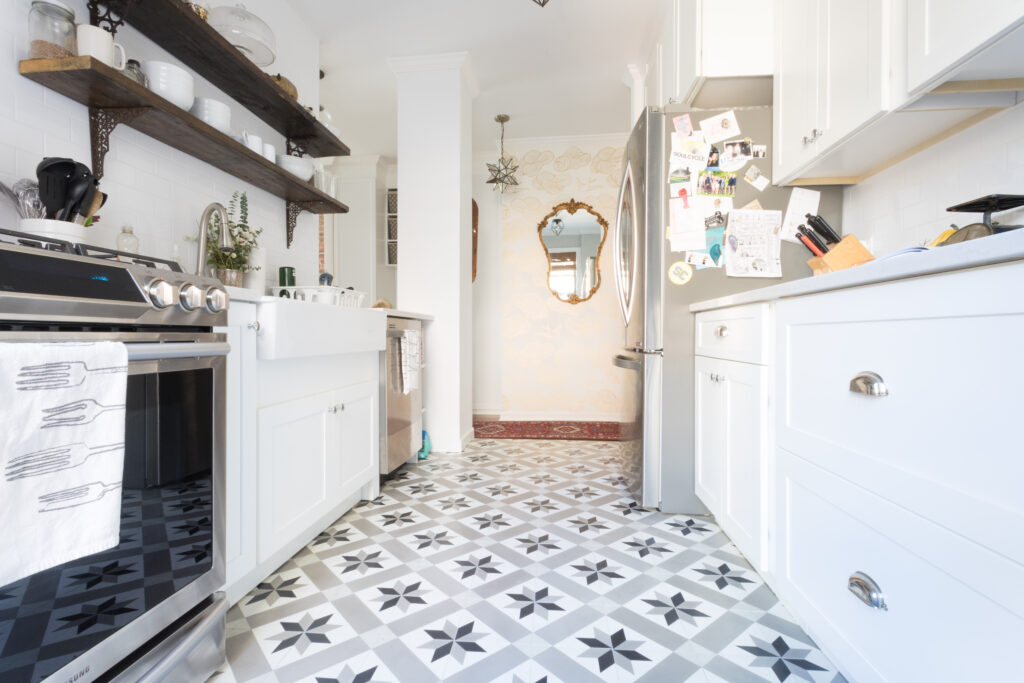
From captivating floors that withstand the busiest family life to statement backsplashes and even mock-concrete countertops, these versatile tiles open up a world of design possibilities. They invite you to play with textures, contrast with warm woods, and inject personality through thoughtful accents, creating a kitchen that is uniquely yours. So, if you’re yearning for a space that feels contemporary, effortlessly elegant, and ready to stand the test of time, look no further. Embrace the urban edge, the understated beauty, and the undeniable practicality of concrete look tiles, and watch your kitchen transform into a true masterpiece of modern living. It’s more than just a surface; it’s a statement, a lifestyle, and a testament to design that truly works.