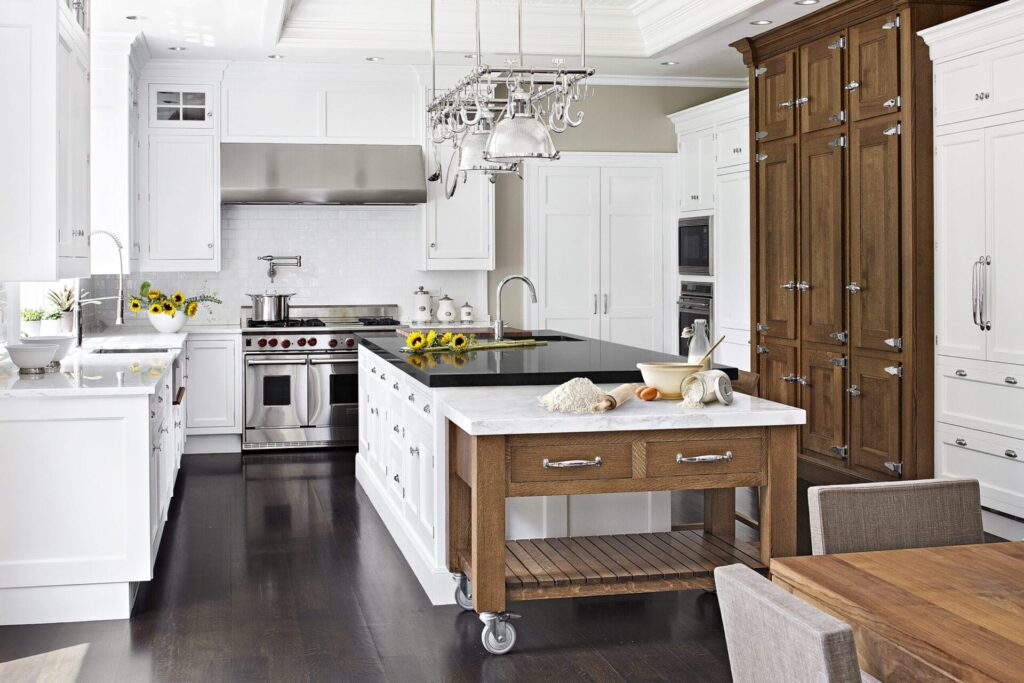
For many, the kitchen isn’t just a place to prepare meals; it’s a canvas for culinary creativity, a stage for sweet triumphs, and the heart of the home. Among the myriad kitchen activities, baking holds a special, almost therapeutic charm. The rhythmic kneading of dough, the delicate folding of batter, the intoxicating aroma of vanilla and cinnamon wafting through the air – these are the moments that truly enrich our lives. Yet, all too often, the joy of baking is hampered by a lack of dedicated space, leading to a chaotic dance between flour dust, mixing bowls, and everyday kitchen clutter. This is precisely where the concept of a baking station kitchen nook enters the picture, transforming a humble corner or an underutilized stretch of countertop into a bespoke haven for all your pastry pursuits.

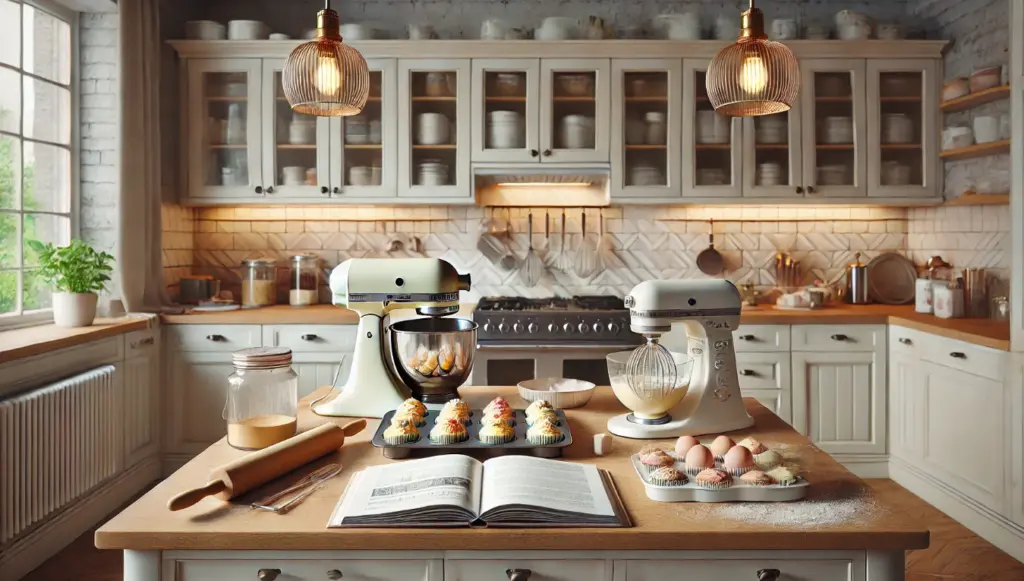
Imagine a world where every ingredient is at your fingertips, every tool has its rightful place, and your stand mixer isn’t battling for elbow room with your toaster. A dedicated baking station isn’t just a luxury; for the passionate home baker, it’s a game-changer, a profound upgrade that promises to streamline your process, amplify your efficiency, and reignite your love for creating delectable delights. It’s about crafting an ergonomic, organized, and inspiring environment tailored specifically to the unique demands of baking, allowing you to focus on the artistry rather than the logistics. In this comprehensive guide, we’ll delve deep into the philosophy, design, and practicalities of creating your very own baking sanctuary, ensuring every cookie, cake, and croissant emerges from your oven with professional-grade precision and boundless joy.

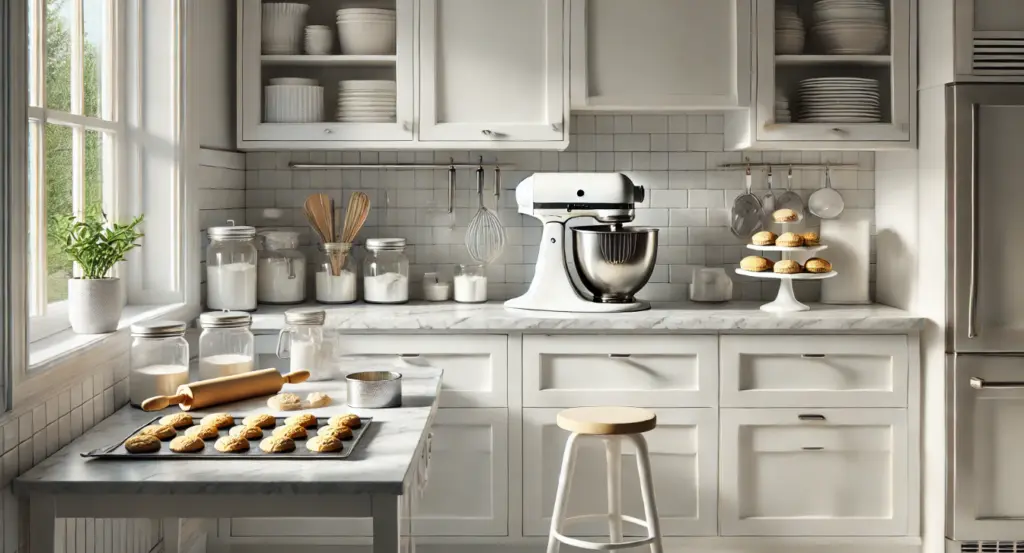
Why a Dedicated Baking Station is Your Kitchen’s Next Big Upgrade
The allure of a specialized baking zone extends far beyond mere aesthetics. It’s about optimizing workflow, reducing stress, and elevating the entire baking experience. If you’ve ever found yourself sifting flour over your mail, searching frantically for a whisk, or wishing you had just a few more inches of counter space for rolling out dough, then you already understand the inherent value of this dedicated culinary hub.

Unleashing Efficiency and Workflow Harmony
- Streamlined Process: With everything in its designated spot, you eliminate wasted time searching for tools or ingredients. Flour, sugar, leavening agents, and spices are grouped together, making recipe execution a breeze. This dedicated baking area helps in maintaining a smooth operation.
- Reduced Clutter: A dedicated nook means your baking paraphernalia doesn’t spill over into other kitchen zones. Your main countertops remain clear for meal prep, and your baking tools are neatly tucked away, ready for action. It’s a true solution for kitchen organization.
- Ergonomic Design: Thoughtful placement of essential appliances like your stand mixer, along with appropriate counter heights, minimizes bending, reaching, and general physical strain, making long baking sessions more comfortable. This creates an optimal ergonomic baking space.
A Sanctuary for Organization and Inspiration
- Dedicated Storage: From specialty flours to an impressive collection of cookie cutters, a baking station provides purpose-built storage solutions, keeping your ingredients fresh and your tools protected. This includes an organized pantry within reach.
- Focus and Creativity: By segmenting your kitchen tasks, you create a mental and physical space solely for baking. This focused environment fosters creativity, allowing you to experiment with new recipes and techniques without distraction. It becomes your personal sweet treats haven.
- Aesthetic Appeal: A well-designed baking station can be a beautiful focal point in your kitchen, reflecting your passion and adding a touch of personalized charm to your home. It’s a statement of your love for home baking.
The Sheer Joy of Baking Reimagined
Let’s be honest, baking is often a labor of love. But when that labor becomes frustrating due to disorganization or inadequate space, the love can wane. A baking station revitalizes that passion. It transforms a potentially stressful activity into a genuinely enjoyable one, allowing you to immerse yourself fully in the process – from the meticulous measuring to the triumphant moment you pull a golden-brown masterpiece from the oven. It’s not just about baking; it’s about reclaiming a joyful ritual and embracing your inner pastry chef.
Blueprint for Bliss: Essential Elements of an Ideal Baking Nook
Crafting the perfect baking station kitchen nook is akin to an architect designing a dream home; every detail matters. From the foundational surfaces to the subtle nuances of lighting, each component plays a crucial role in creating a functional yet enchanting space. Let’s peel back the layers and explore the core elements that constitute a truly exceptional home baking hub.

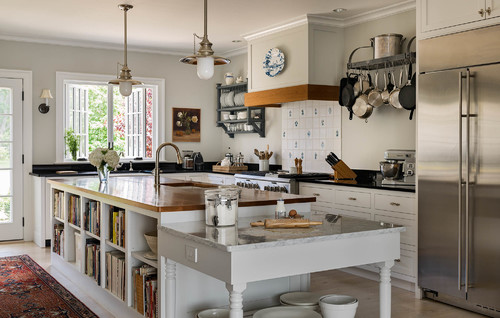
1. The Mighty Countertop: Surface Area and Material Matters
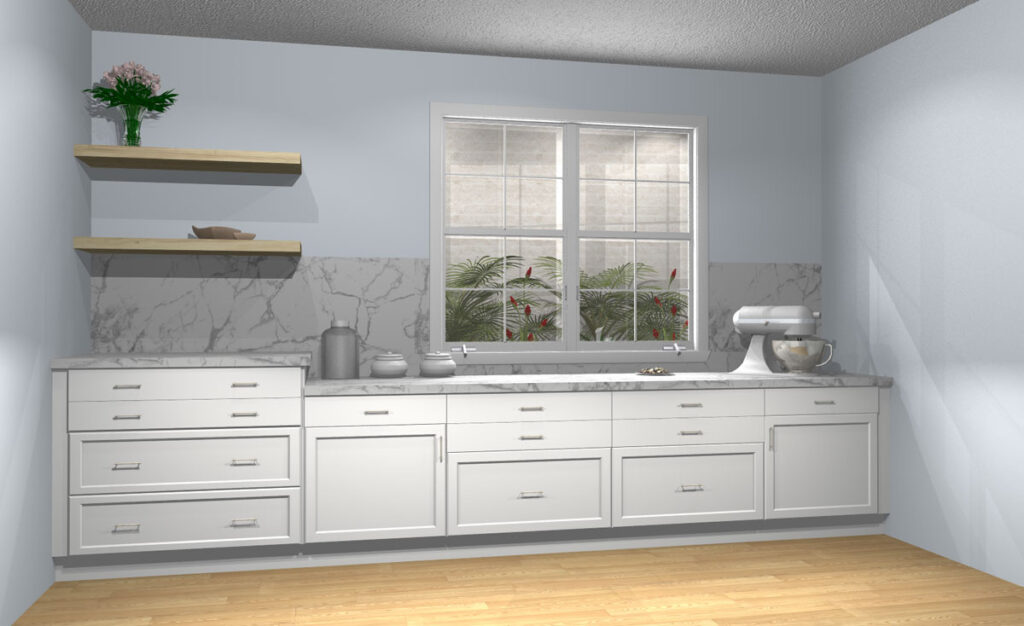
At the heart of any baking station lies ample, durable countertop space. This isn’t just a surface; it’s your primary workspace for kneading dough, rolling pastry, cooling fresh bakes, and assembling your culinary creations. The ideal setup demands a generous expanse, perhaps 30-48 inches wide, and at least 24 inches deep, though deeper surfaces offer more utility for tasks like rolling out pizza dough.

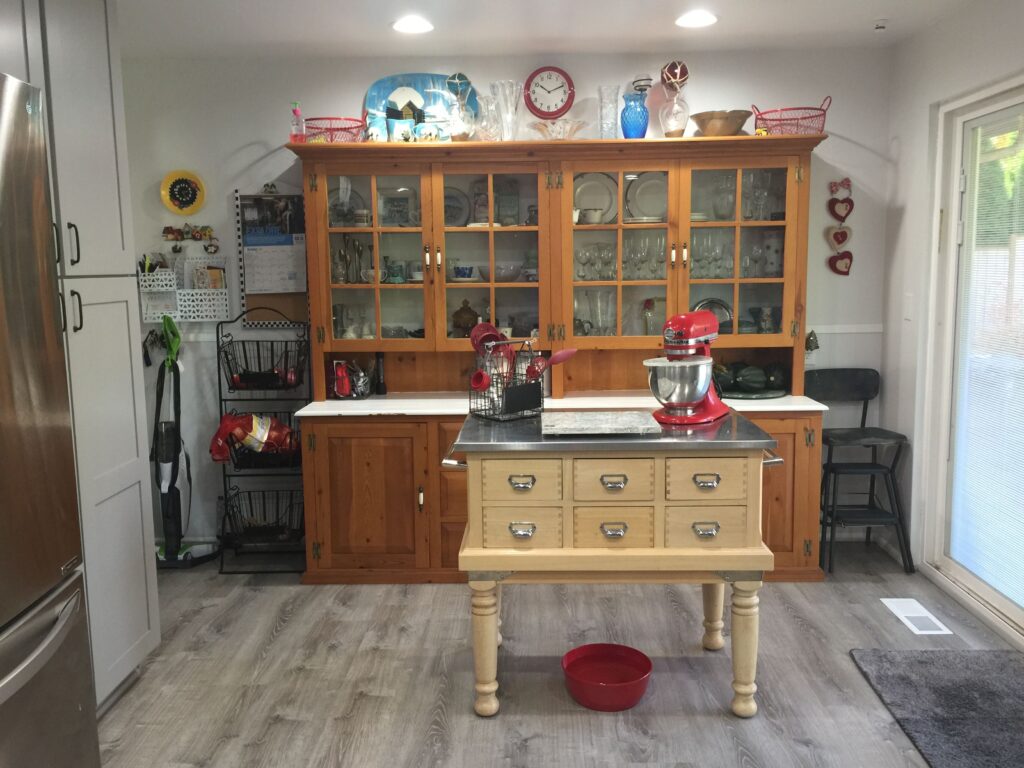
- Material Selection:
- Marble: The undisputed champion for pastry work. Its naturally cool surface prevents dough from sticking and butter from melting too quickly. While porous and prone to staining, many bakers swear by its utility and classic beauty, making it an ideal dough kneading surface.
- Quartz: A superb alternative, offering non-porous, stain-resistant, and durable properties. It can mimic the look of marble without the maintenance fuss, providing a resilient custom baking area.
- Butcher Block: Warm, inviting, and resilient, butcher block is excellent for kneading and provides a forgiving surface for dropped utensils. It requires regular oiling but develops a beautiful patina over time, adding a rustic charm to your baking essentials.
- Stainless Steel: Professional-grade and incredibly hygienic, stainless steel is easy to clean and maintains a cool temperature, making it another fantastic option for a dedicated baking surface, often seen in professional baking setups.
- Height Considerations: While standard counter height (36 inches) works for many, some bakers prefer a slightly lower surface (30-34 inches) for tasks like intense kneading, as it allows for better leverage and reduces shoulder strain. Consider integrating a section with this specific height for optimal ergonomics and comfort during your culinary endeavors.
2. Smart Storage Solutions: A Place for Everything and Everything in Its Place
Organization is paramount in a baking station. Effective storage prevents clutter and ensures immediate access to ingredients and tools. Think vertically, horizontally, and strategically to create functional kitchen design.

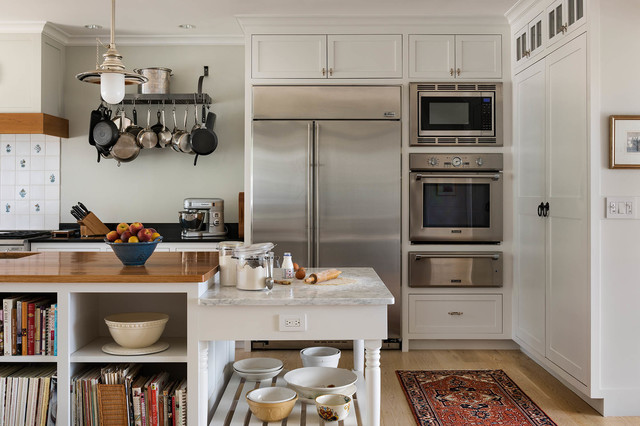
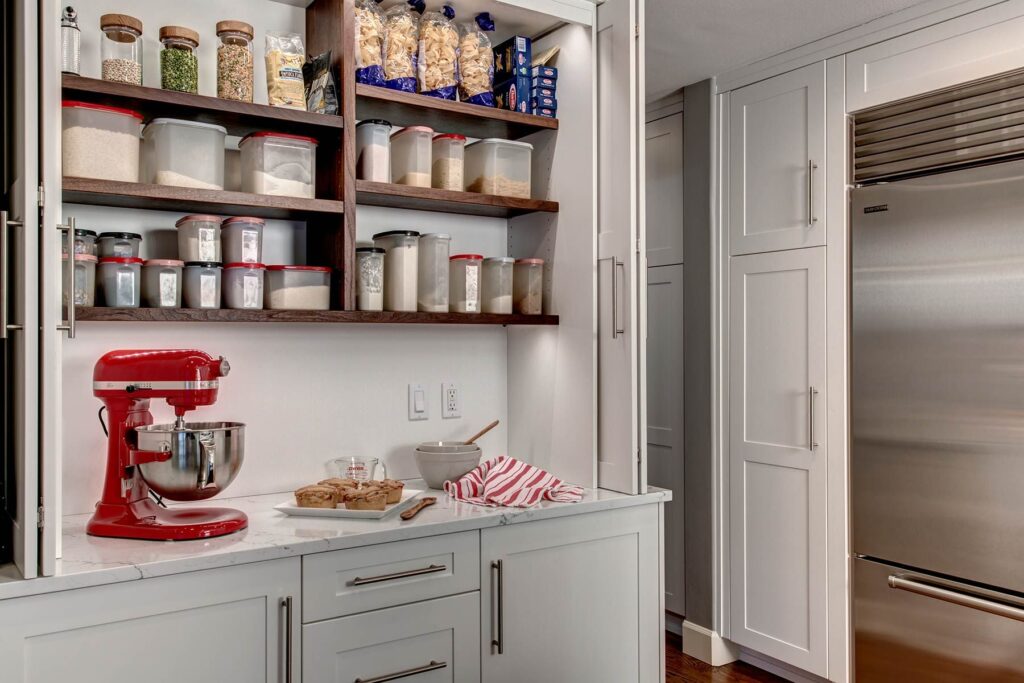
- Upper Cabinets/Open Shelving: Ideal for lightweight, frequently accessed ingredients like flour, sugar, baking powder, spices, and extracts. Clear, airtight containers are a must for freshness and easy identification. Open shelving can display beautiful cookbooks or decorative items, adding personality and serving as cookbook storage.
- Lower Cabinets/Deep Drawers: These are the workhorses for heavier items. Think deep drawers with custom inserts for mixing bowls, Bundt pans, sheet pans, and casserole dishes. A dedicated pull-out drawer for cooling racks can also be incredibly handy, offering smart cooling racks storage. Lower cabinets can house bulk ingredients or larger, less frequently used appliances.
- Pantry Pull-Outs/Roll-Out Trays: Perfect for specialty flours, nuts, dried fruits, and chocolate chips. These offer easy access and keep ingredients organized and out of sight when not in use, truly aiding ingredient storage.
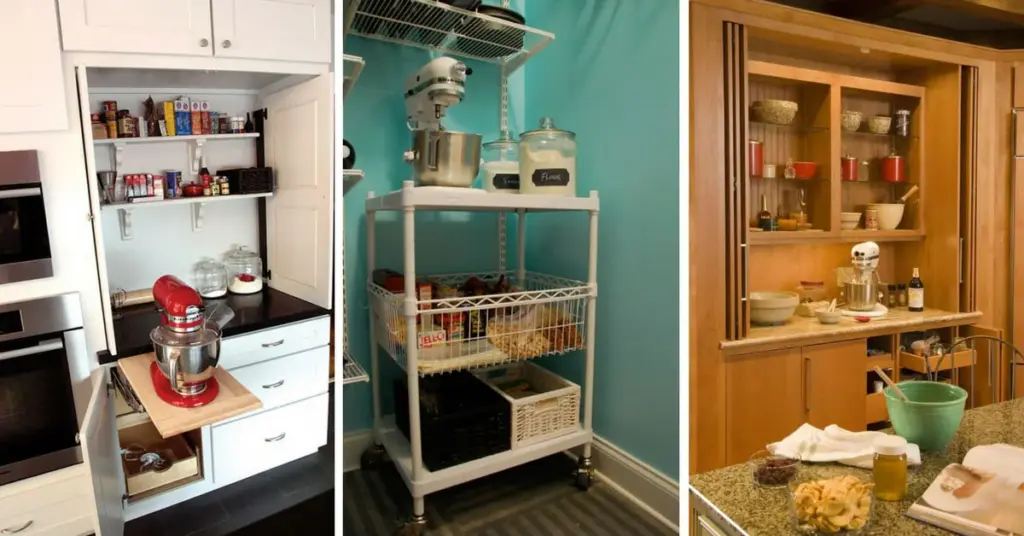
- The Game-Changer: Mixer Lift: If a stand mixer is your co-pilot, a spring-loaded mixer lift tucked into a lower cabinet is an absolute godsend. It brings your heavy appliance up to counter height with minimal effort and tucks it away neatly when baking time is over, making it an essential appliance garage feature.
- Appliance Garage: A small, often countertop-level cabinet with a retractable door, perfect for stowing away smaller appliances like hand mixers, food processors, or even a specialized bread maker, keeping your main counter free and creating a tidy appearance.
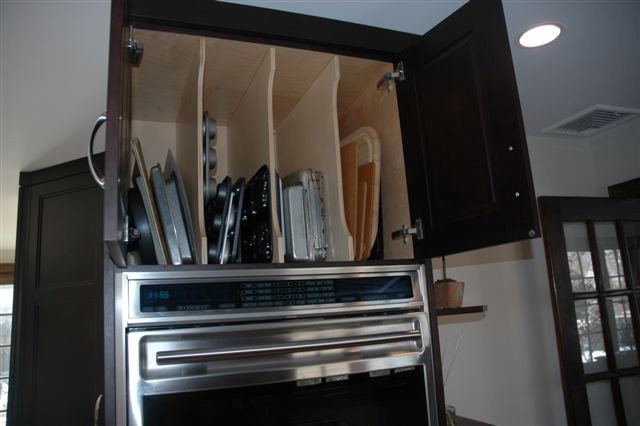
- Vertical Organizers: For cutting boards, baking sheets, and cooling racks, vertical dividers in a narrow cabinet or drawer are brilliant space savers, making use of every inch.
3. Essential Appliances: The Baker’s Toolkit
While some appliances might be shared with the main kitchen, having key items readily available within your baking nook is crucial for any serious baker.

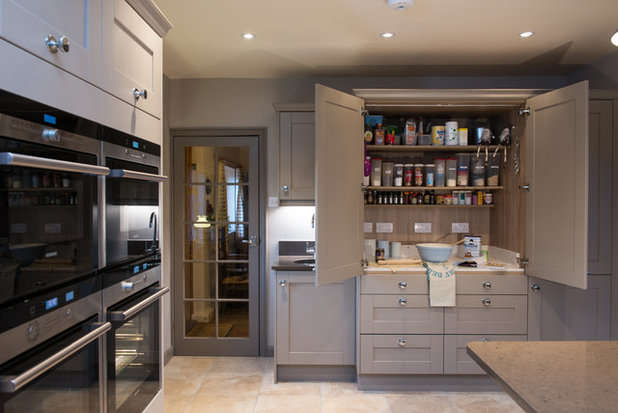
- Stand Mixer: Often the centerpiece of a dedicated baking zone. Ensure it has its designated spot, ideally on a mixer lift or a sturdy, easily accessible counter, ready for whipping and kneading.
- Oven: While usually part of the main kitchen, if space allows, an integrated wall oven or a smaller convection oven within the baking station can elevate its functionality, allowing for immediate transfer of prepped items.
- Small Appliances: Hand mixer, food processor, kitchen scale (digital and accurate!), and perhaps a specialized dough proofer – all part of your critical baking essentials.
4. Illumination: Brightening Your Baking Endeavors
Good lighting is non-negotiable for precision baking. You need to see exactly what you’re doing, whether it’s sifting flour or decorating an intricate cake, ensuring perfection. Proper lighting for baking is key.

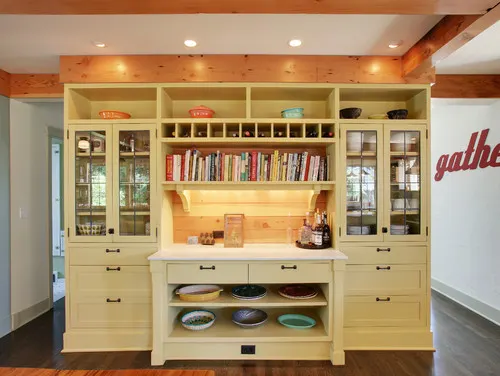
- Task Lighting: Under-cabinet lighting (LED strips are excellent) casts an even glow over your workspace, eliminating shadows. A dedicated pendant light or recessed lighting directly above the nook can also be highly effective.
- Ambient Lighting: Ensure the overall kitchen lighting contributes to a bright, inviting atmosphere in your baking zone, creating a pleasant environment.
5. Ergonomics and Accessibility: Comfort is Key
Baking can involve long periods of standing and repetitive motions. Designing for comfort prevents fatigue and makes the process more enjoyable. An ergonomic baking space is a joyful one.

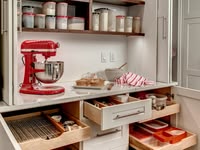
- Height-Adjustable Surfaces: While a luxury, a section of counter that can be raised or lowered caters to different tasks and users, providing ultimate flexibility.
- Anti-Fatigue Mats: A simple addition that makes a world of difference for your feet and back during extended baking sessions. Don’t underestimate this small comfort.
- Easy Reach: Arrange frequently used items at eye level or within easy arm’s reach. Heavy items should be stored in lower, pull-out drawers for safe and convenient access.
6. Power Play: Ample Outlets
Don’t underestimate your power needs! Multiple, strategically placed electrical outlets are vital for your stand mixer, hand mixer, food processor, and potentially charging devices for digital recipes. Ensure they are easily accessible but out of the way of spills.

7. Waste Management: Neat and Tidy
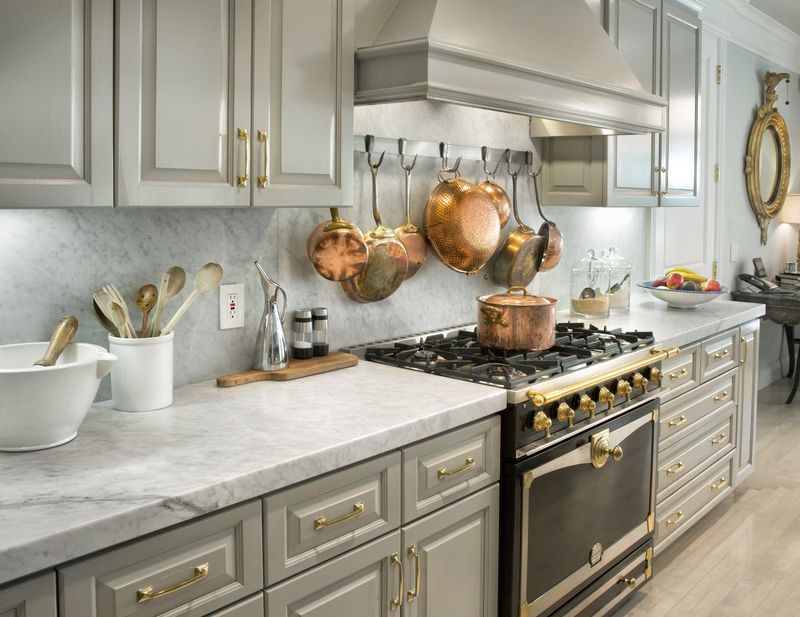
A small, integrated pull-out trash bin or compost bin within the nook keeps discarded wrappers, eggshells, and trimmings contained, making cleanup efficient and maintaining a pristine workspace. This aids overall kitchen design solutions.

Designing Your Dream Baking Station Nook: From Concept to Creation
Once you understand the essential components, the next step is to envision how they’ll come together in your unique kitchen landscape. This involves considering placement, scale, style, and, of course, your budget.

Location, Location, Location: Where to Carve Out Your Nook
The beauty of a baking station kitchen nook is its adaptability. It can be tucked into various spaces, offering versatile kitchen design solutions:

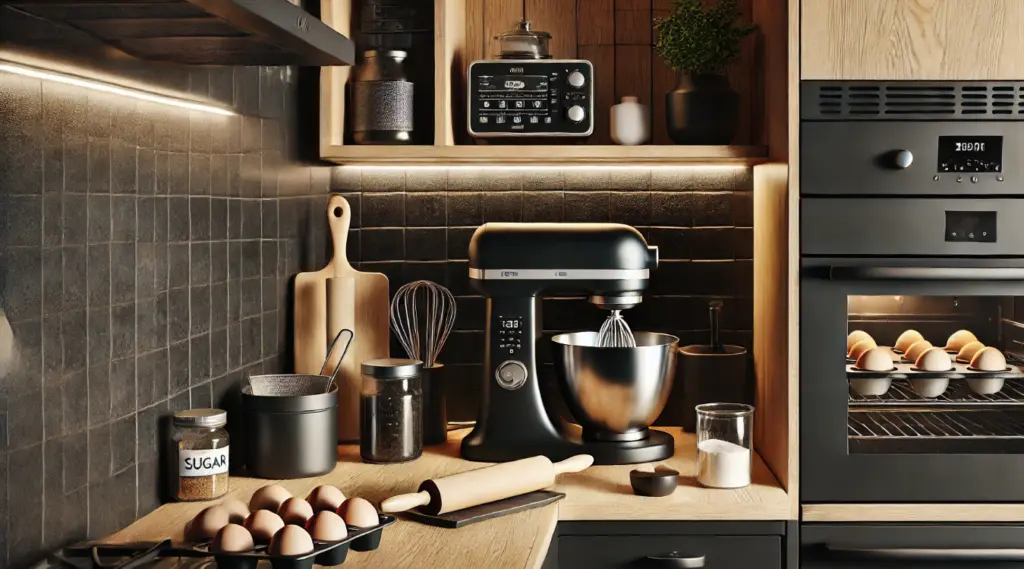
- The Corner Nook: Often underutilized, a kitchen corner can be transformed into a surprisingly spacious and cozy baking zone. This is a common and effective use of existing space.
- Under a Window: Natural light is a baker’s best friend. A nook beneath a window offers excellent illumination and a pleasant view, making baking a truly delightful experience.
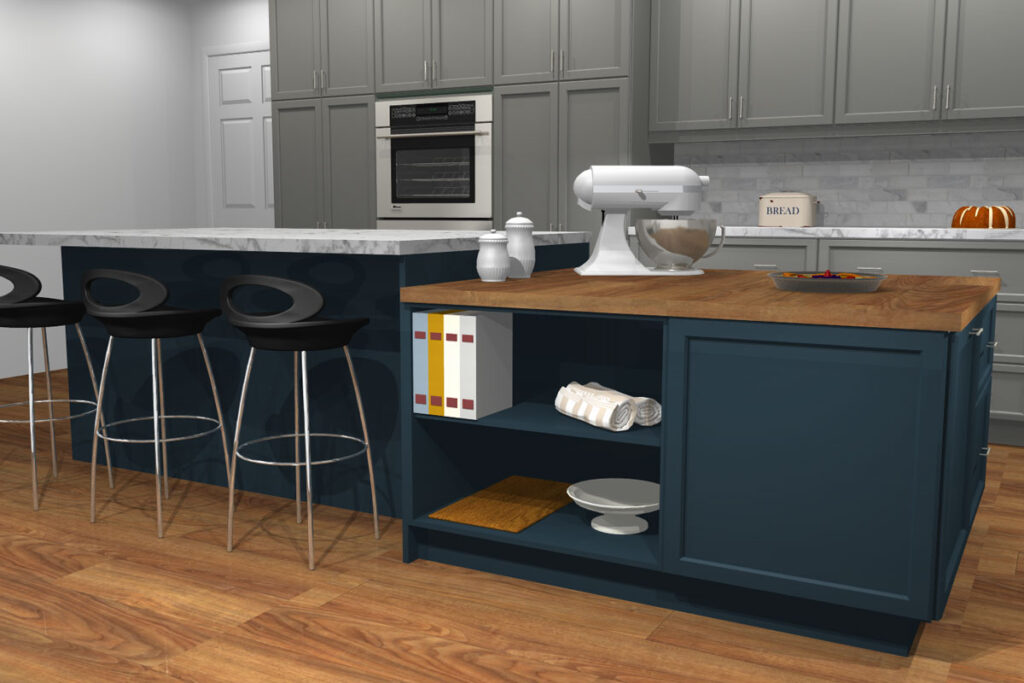
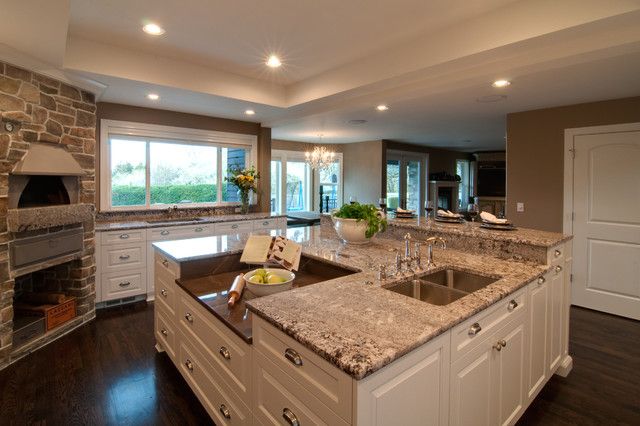
- Part of an Island: Integrating a baking section into a larger kitchen island provides a central, multi-functional hub with ample space. Consider making one end a dedicated lower height for kneading, a key custom baking area feature.
- Pantry Conversion: For those blessed with a walk-in pantry, dedicating a section or even the entire pantry to baking can be a stellar solution, offering incredible storage potential for your home baking hub.
- An Alcove or Recess: If your kitchen boasts an architectural alcove, it’s begging to be repurposed into a bespoke baking haven, often requiring minimal structural changes.
Size and Scale: Adapting to Your Kitchen’s Footprint
Not every kitchen can accommodate a sprawling baking empire, and that’s perfectly fine. A functional baking station can be compact yet mighty, proving that small kitchen baking ideas can still be grand.
- Small Kitchens: Focus on vertical storage, pull-out surfaces, and multi-functional elements. Even a 24-inch wide counter with clever storage above and below can work wonders. Space optimization is key here.
- Large Kitchens: You have the luxury of expansive countertops, multiple dedicated storage units, and potentially an integrated oven or even a second sink for washing baking tools, allowing for a comprehensive professional baking setup at home.
Style Integration: Seamless or Standout?
Your baking station should complement your home’s aesthetic. Do you want it to blend seamlessly with your existing kitchen cabinetry, or do you prefer it to be a distinctive, accent piece? This is where interior design for bakers really comes into play.
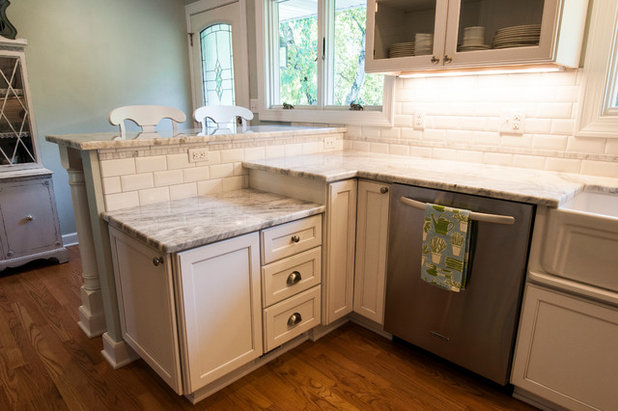
- Cohesive Look: Use the same cabinetry, countertop materials, and hardware as the rest of your kitchen for a harmonious feel, creating a unified kitchen design.
- Distinctive Zone: Introduce a different cabinet color, a unique backsplash, or a contrasting countertop material to make your baking nook stand out as a special zone within the kitchen, a true baking sanctuary.
- Ventilation Considerations: If your baking station includes a small oven or is frequently used for high-heat tasks, consider adequate ventilation to manage heat and odors, especially in a compact space. Proper ventilation for baking is crucial for comfort and air quality.
Budgeting for Your Baking Paradise: DIY vs. Professional
The cost of creating a baking station can vary wildly. It’s essential to set a realistic budget from the outset, considering all aspects of kitchen renovation.
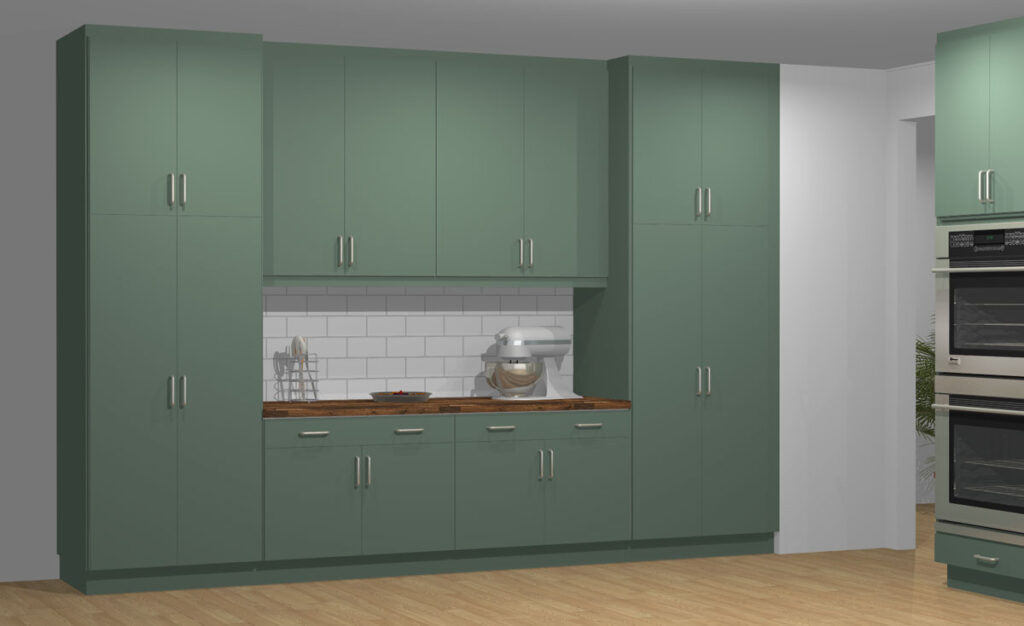
- DIY Approach: For the handy homeowner, repurposing existing furniture (a sturdy dresser, a console table), installing shelves, and building simple cabinetry can be a very cost-effective route. Look for ready-made cabinet units that can be customized for a budget-friendly baking nook.
- Professional Installation: Hiring kitchen designers and contractors will yield a polished, custom-built result, but it comes with a higher price tag. This option is ideal for integrating complex features like mixer lifts or bespoke custom cabinetry.
- Material Choices: Opting for laminate countertops instead of marble, or stock cabinets over custom ones, can significantly impact your overall expenditure without compromising too much on functionality.
Small Kitchens, Big Baking Dreams: Ingenious Space-Saving Solutions
Just because your kitchen is pint-sized doesn’t mean your baking ambitions have to be. With a little ingenuity and smart design, even the most compact spaces can host a highly functional baking station, embracing small kitchen baking ideas.
- Fold-Down Countertops: A countertop extension that folds down when not in use is a brilliant solution for adding temporary workspace when you need it and reclaiming floor space when you don’t.
- Vertical Storage Systems: Floor-to-ceiling shelving, pegboards for hanging utensils, and wall-mounted spice racks maximize every inch of vertical space. This is quintessential space optimization.
- Rolling Carts/Islands: A sturdy, mobile kitchen cart with a durable top can serve as a baking station when needed and be tucked away or repurposed elsewhere when not. Look for models with built-in storage.
- Multi-functional Furniture: Invest in pieces that serve dual purposes, like an island with hidden drawers and a pull-out cutting board that doubles as a kneading surface – truly clever kitchen design solutions.
- Under-Cabinet Drawers: Small, shallow drawers installed directly beneath upper cabinets can be perfect for stashing measuring spoons, small cookie cutters, or piping tips, keeping them handy but out of sight.
Materials & Finishes: Where Durability Meets Delight
The choices you make for materials and finishes not only dictate the aesthetics of your baking nook but also its resilience and ease of maintenance. When it comes to a dedicated baking zone, practicality should walk hand-in-hand with beauty.
- Countertops:
- Marble: As mentioned, ideal for pastry due to its coolness. Requires sealing and care, but offers unmatched elegance for a dedicated baking zone.
- Quartz: Hard-wearing, non-porous, and available in countless patterns and colors. A fantastic, low-maintenance option that stands the test of time.
- Butcher Block: Warm, inviting, and forgiving on tools. Requires periodic oiling to maintain its luster and prevent drying, developing character with age.
- Stainless Steel: Professional, hygienic, and incredibly durable. Easy to clean, though it can show fingerprints – a trade-off for its superior performance.
- Cabinetry:
- Wood: Classic and timeless, offering warmth and natural beauty. Can be stained or painted to match any decor.
- Laminate: Budget-friendly, durable, and comes in a vast array of finishes and colors, mimicking more expensive materials with great success.
- Painted Finishes: Allows for personalization and can easily be updated. Consider durable, easy-to-clean paints for longevity in a busy baking hub.
- Backsplash: A backsplash not only protects your walls from splashes but also adds a decorative touch. Tile, subway tile, or even a continuation of your countertop material are popular choices, enhancing the visual appeal of your home baking hub.
- Flooring: Ease of cleaning is paramount. Tile, vinyl plank, or hardwood with a good sealant are practical choices for a baking area where spills are inevitable. You’ll thank yourself later for choosing a forgiving surface.
Organizing Your Baking Essentials: A Symphony of Order
Even the most beautifully designed baking station can devolve into chaos without a robust organizational system. Think like a professional chef, and ensure everything has its ‘home’. This is where true kitchen organization shines.

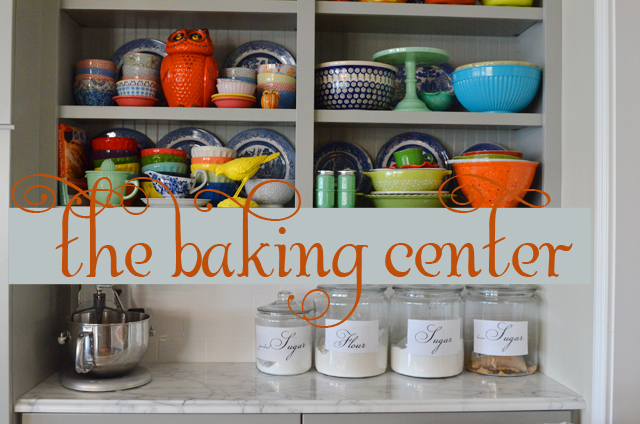
Ingredient Storage: The Foundation of Freshness
- Airtight Containers: Essential for flours, sugars, oats, and nuts to prevent staleness, moisture absorption, and pests. Label them clearly with contents and expiry dates for optimal ingredient storage.
- Tiered Spice Racks: Keep your cinnamon, nutmeg, cardamom, and other baking spices visible and easily accessible. Spice racks are unsung heroes for efficient baking.
- Bulk Storage: For large quantities of flour or sugar, consider food-grade buckets with gamma seal lids, especially if you buy in bulk. This helps maintain an organized pantry for staples.
- FIFO System: Adopt a ‘First In, First Out’ system for ingredients to ensure you use older items before they expire, minimizing waste and ensuring quality.
Tools & Utensils: Ready for Action
- Drawer Dividers: Customize drawers to neatly separate whisks, spatulas, measuring cups, and cookie scoops. Utensil organizers are paramount for efficiency.
- Magnetic Strips: Ideal for wall-mounting metal tools like measuring spoons or smaller spatulas, freeing up valuable drawer space and keeping frequently used items within reach.
- Utensil Crocks: For frequently used wooden spoons and whisks, a stylish crock on the countertop provides quick access and adds a touch of charm.
Bakeware & Pans: Stacked for Success
- Vertical Organizers: These are lifesavers for baking sheets, cutting boards, and cooling racks, preventing them from toppling and making retrieval effortless. Smart cooling racks storage is a must.
- Pot & Pan Organizers: Adjustable racks within cabinets can store various sized cake pans, muffin tins, and pie plates efficiently, making the most of every cabinet.
Cookbooks & Recipes: Your Culinary Library
- Dedicated Shelf: A small, open shelf or a built-in cubby is perfect for your favorite cookbooks, creating a mini culinary library for recipe organization.
- Tablet Stand/Mount: For digital recipes, a dedicated tablet stand or a wall-mounted holder keeps your device clean and at eye level, preventing sticky screens.
- Recipe Binders: Organize printed recipes or family favorites in clearly labeled binders, ensuring your grandmother’s secret cookie recipe is always at hand.
Personal Touches: Making Your Nook Truly Yours
A baking station isn’t just about functionality; it’s about creating a space that inspires joy and reflects your unique personality. Don’t be afraid to infuse it with personal flair, transforming it into a sweet treats haven.

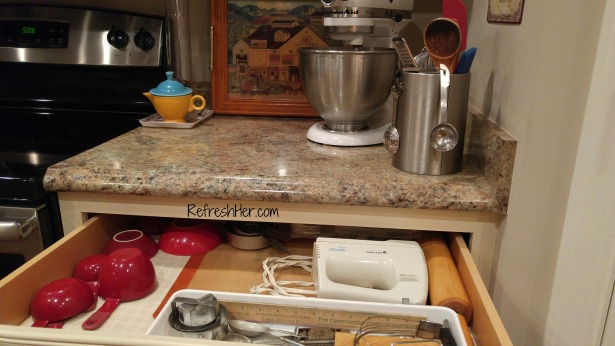
- Decorative Accents: A framed vintage baking print, a quirky sign, or a beautiful set of ceramic measuring cups can add charm and make the space feel more inviting.
- Greenery: A small potted herb (like mint or rosemary for garnishing) or a succulent adds a touch of life and freshness to your dedicated baking zone.
- Comfort Enhancements: An anti-fatigue mat is a must for long sessions. If you have a sit-down section, a comfortable stool is essential to reduce strain.
- Personalized Storage: Use unique jars for ingredients, perhaps with handwritten labels, or display a collection of treasured cookie cutters – these small details make it truly your own.
Maintenance & Longevity: Keeping Your Sweet Spot Pristine
A well-maintained baking station will not only look better but also function more efficiently for years to come. Regular care is key to preserving your home baking hub.
- Wipe Down Regularly: After each baking session, wipe down all surfaces immediately to prevent spills from hardening or staining. A little effort now saves a lot of elbow grease later.
- Deep Clean Periodically: Schedule a thorough cleaning of cabinets, appliances, and containers every few months. This keeps your entire baking area design sparkling.
- Check Ingredient Freshness: Regularly check expiration dates on flours, leavening agents, and spices. Stale ingredients can ruin a bake, so vigilance is vital!
- Maintain Appliances: Follow manufacturer guidelines for cleaning your stand mixer, oven, and other tools to ensure their longevity and peak performance.
The Enduring Joy of Baking in a Dedicated Space
Creating a baking station kitchen nook is an investment, not just in your kitchen, but in your passion. It’s about more than just having a place for flour and sugar; it’s about crafting an environment that nurtures creativity, minimizes stress, and maximizes the pure, unadulterated joy of baking. From the moment you don your apron to the final flourish of frosting, every step becomes a pleasure, making it a true custom baking area.
No longer will you be wrestling with limited counter space or scrambling to find that elusive piping bag. Instead, you’ll glide through your recipes with an ease that belies the intricate art of baking. This dedicated zone becomes your personal sweet treats haven, a place where culinary dreams are realized, family traditions are forged, and the aroma of freshly baked goods transforms a house into a truly warm and inviting home. So, go ahead, envision your ideal baking hub, gather your inspiration, and embark on the delightful journey of crafting your ultimate baking station kitchen nook. Your taste buds, and indeed your soul, will thank you for it.