


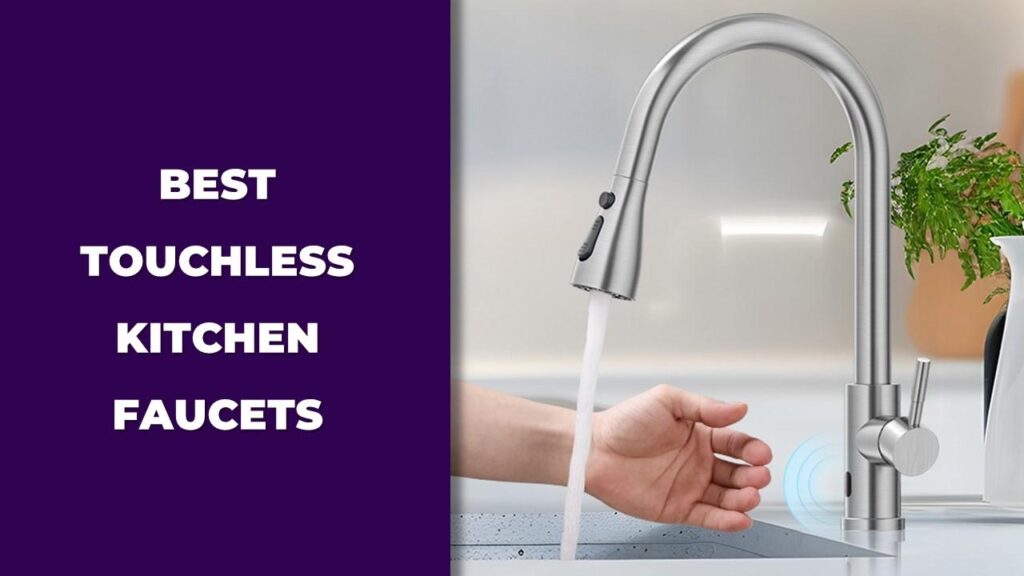
In the bustling heart of every home, the kitchen stands as a sanctuary of nourishment, comfort, and connection. Yet, beneath the veneer of culinary creativity and shared meals, it often harbors an unseen battlefield: a vibrant ecosystem of microbes. From the moment we handle raw ingredients to the final wash-up, our hands, even seemingly clean ones, become unwitting transporters of germs. This is where the humble faucet, a tool we touch dozens of times a day, ironically becomes a significant player in the silent drama of cross-contamination. But what if there was a way to sever this chain, to usher in an era of effortless sanitation? Enter the touchless faucet – a marvel of modern engineering poised to redefine kitchen hygiene as we know it.

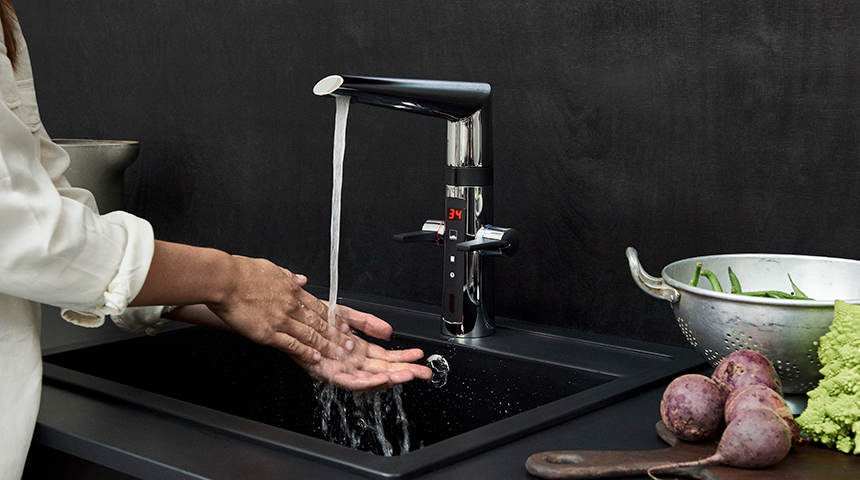
For too long, the traditional faucet, a steadfast workhorse, has inadvertently served as a germ superhighway. Think about it: you’re kneading dough, hands covered in flour, or perhaps you’ve just diced raw chicken, your fingers sticky with residues. Your next instinct? To turn on the faucet to wash those hands. In doing so, you inevitably transfer whatever grime, bacteria, or potential pathogens are on your hands directly onto the faucet handle. After washing, you touch the now contaminated handle again to turn off the water, effectively re-contaminating your freshly cleaned hands. It’s a subtle but relentless cycle that undermines our best efforts at maintaining a truly hygienic kitchen environment. This article delves deep into the transformative power of touchless faucets, exploring not just their undeniable role in elevating kitchen cleanliness but also the broader implications for family health, convenience, and modern living.
The Unseen Battlefield: Why Kitchen Hygiene Demands a Second Look
Our kitchens, for all their inviting warmth, are prime breeding grounds for a host of unwelcome guests: bacteria, viruses, and other microorganisms. Scientific studies consistently show that kitchen sinks and countertops can harbor more germs than even a toilet seat. Scary, isn’t it? These microscopic invaders lurk everywhere, from cutting boards and sponges to appliance handles and, yes, the faucet. Understanding where these threats originate and how they spread is the first step toward building a truly sanitary culinary space.

Common Germ Hotspots and the Peril of Cross-Contamination
- Raw Meats and Produce: Handling raw chicken, beef, or unwashed vegetables introduces bacteria like Salmonella, E. coli, and Listeria into the kitchen. These can easily transfer from your hands to any surface you touch.
- Sponges and Dishcloths: These damp, porous items are notorious germ magnets, capable of spreading bacteria across surfaces if not properly sanitized or replaced regularly.
- Garbage Bins and Recycling: Waste disposal areas naturally attract germs, and touching their lids or handles before washing hands is a quick route to spreading microbes.
- Sink Drains: A moist, food-particle-rich environment, sink drains are veritable bacterial colonies, ready to splash contaminants onto anything nearby.
- Traditional Faucet Handles: As discussed, these are perhaps the most frequently touched – and often overlooked – vectors for transferring germs directly onto clean hands.
Cross-contamination isn’t just a fancy term; it’s a very real process where bacteria from one source (like raw chicken) transfer to another (like a ready-to-eat salad) via hands, utensils, or shared surfaces. This process is a leading cause of foodborne illnesses, which can range from mild discomfort to severe, life-threatening conditions. In a busy kitchen, especially one with young children, elderly family members, or individuals with compromised immune systems, mitigating this risk becomes not just a matter of cleanliness but a vital component of family well-being.
Enter the Future: What Exactly is a Touchless Faucet?
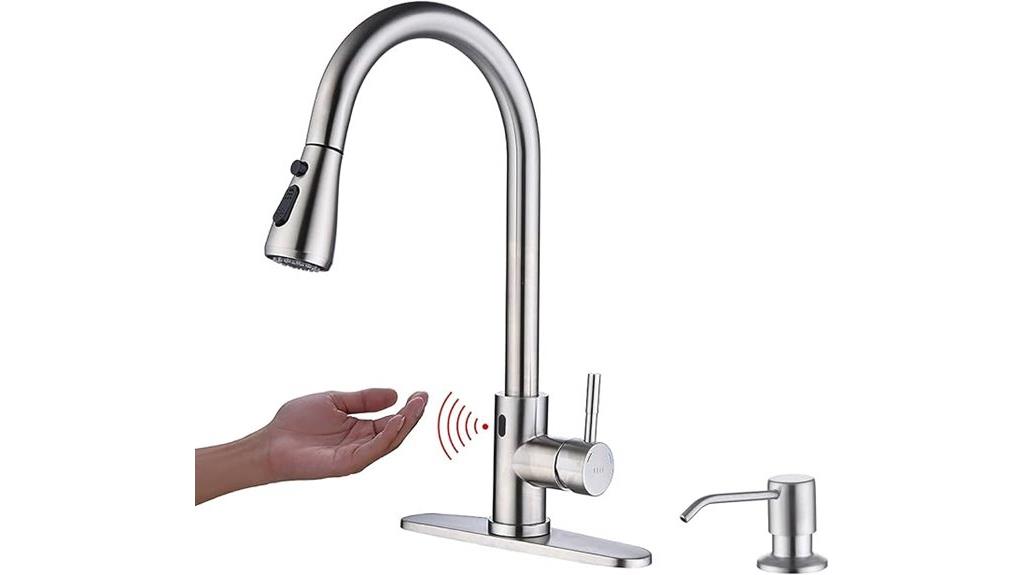
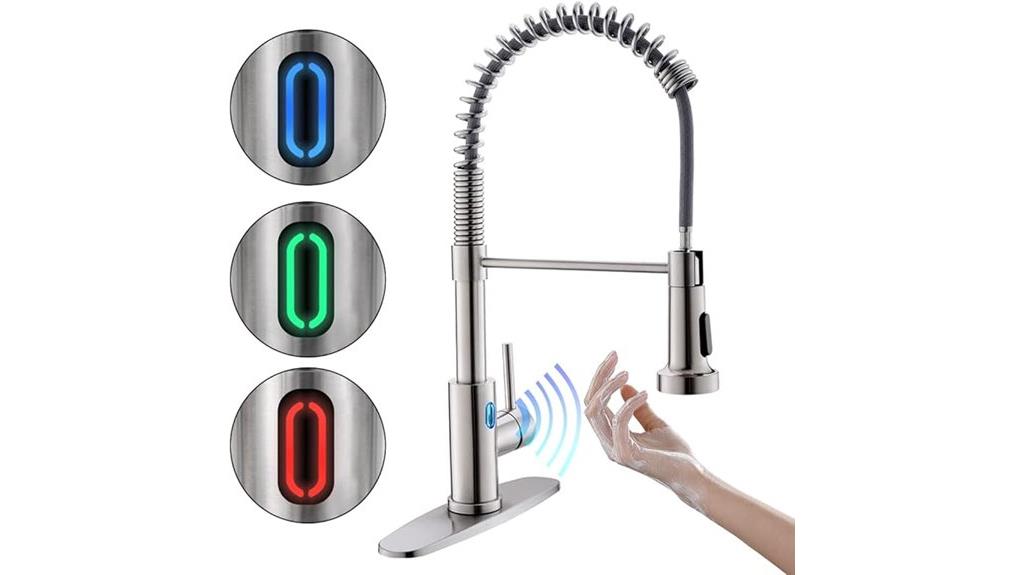
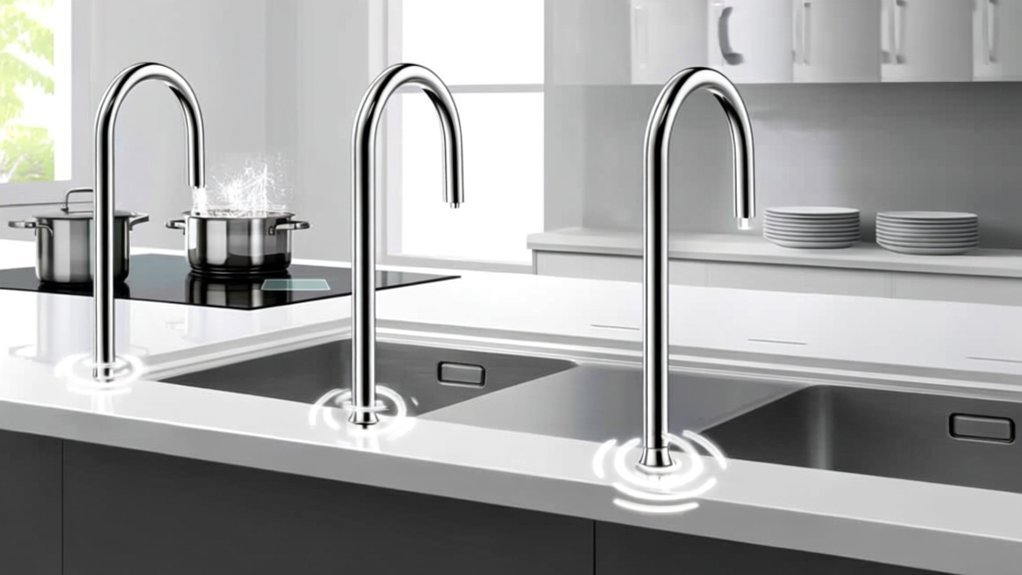
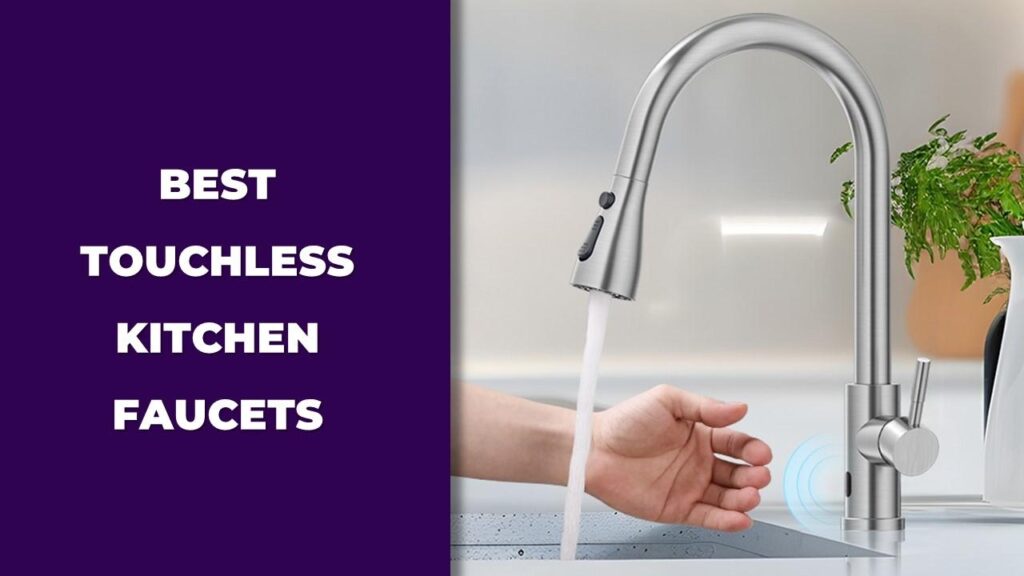
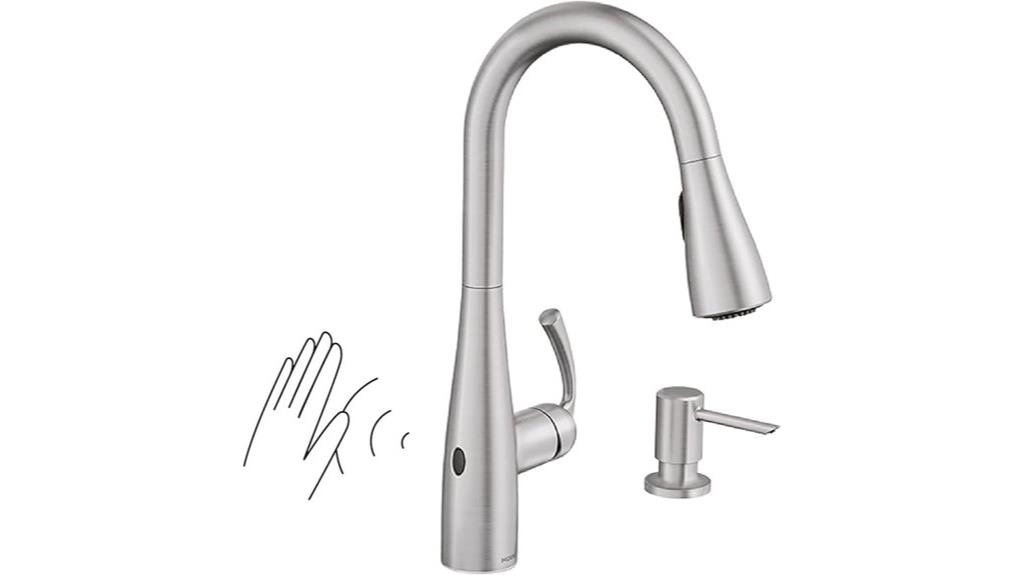
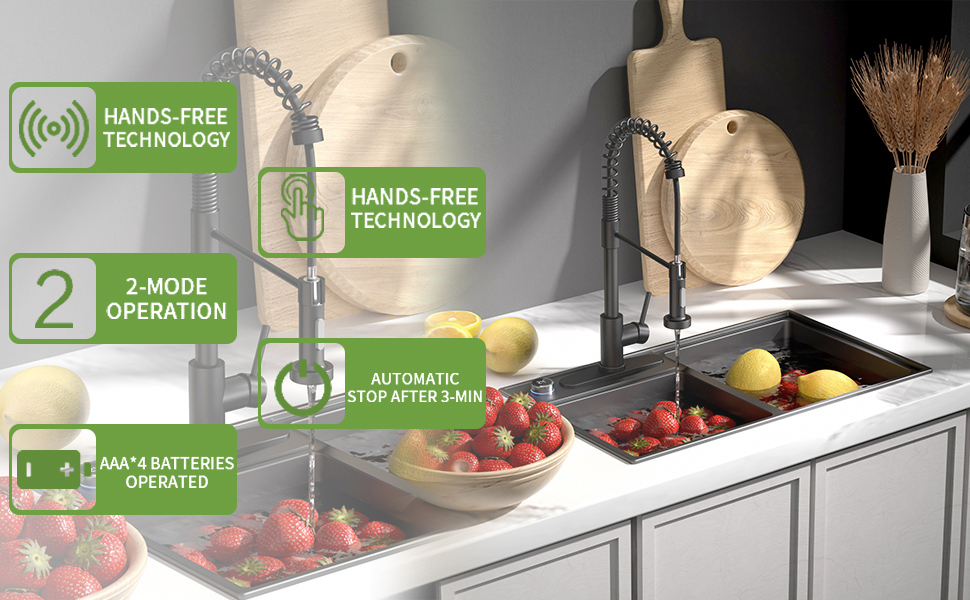
At its core, a touchless faucet is an ingenious piece of technology designed to provide water flow without requiring physical contact with the fixture. It’s a simple premise with profound implications for hygiene and convenience. These faucets typically employ infrared sensors or motion detectors that sense the presence of hands or an object within their detection zone, triggering the water to flow. When the hands are removed, the water stops automatically. It’s truly a "set it and forget it" experience.
How the Magic Happens: Unpacking the Technology
- Infrared Sensors: Most common, these emit an infrared light beam. When hands break this beam, the sensor detects the change and activates a solenoid valve, allowing water to flow.
- Motion Sensors: Similar to infrared, but sometimes using radar or ultrasonic technology, these detect movement within a specified range, triggering the water.
- Solenoid Valve: This electrically operated valve is the heart of the system, controlling the on/off flow of water. It’s activated by the sensor and de-activated when the sensor no longer detects an object.
- Power Source: Touchless faucets are typically powered by batteries (often AA or D cells, lasting anywhere from 6 months to 2 years) or an AC adapter that plugs into an electrical outlet under the sink. Some high-end models even offer hybrid power options or incorporate small hydro-turbines that generate power from water flow.
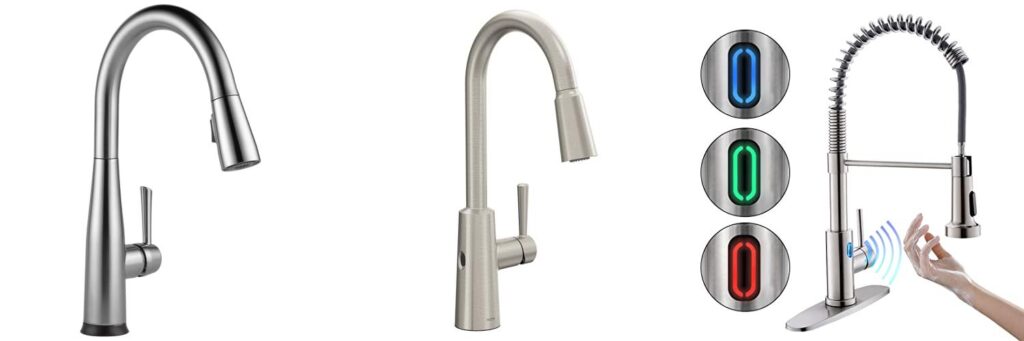
Beyond basic functionality, many modern touchless faucets come equipped with additional features like manual override options, temperature control levers, and even integrated LED lights that indicate water temperature, adding layers of convenience and safety to the touchless experience.
The Hygiene Imperative: How Touchless Faucets Combat Germs Head-On
The primary, undeniable benefit of a touchless faucet revolves around its unparalleled ability to enhance kitchen hygiene. By removing the need for physical interaction with the faucet handles, these innovative fixtures create a critical barrier against germ transmission, fundamentally altering the sanitary landscape of your kitchen.
1. Eliminating Touch Points: The Germ-Free Zone
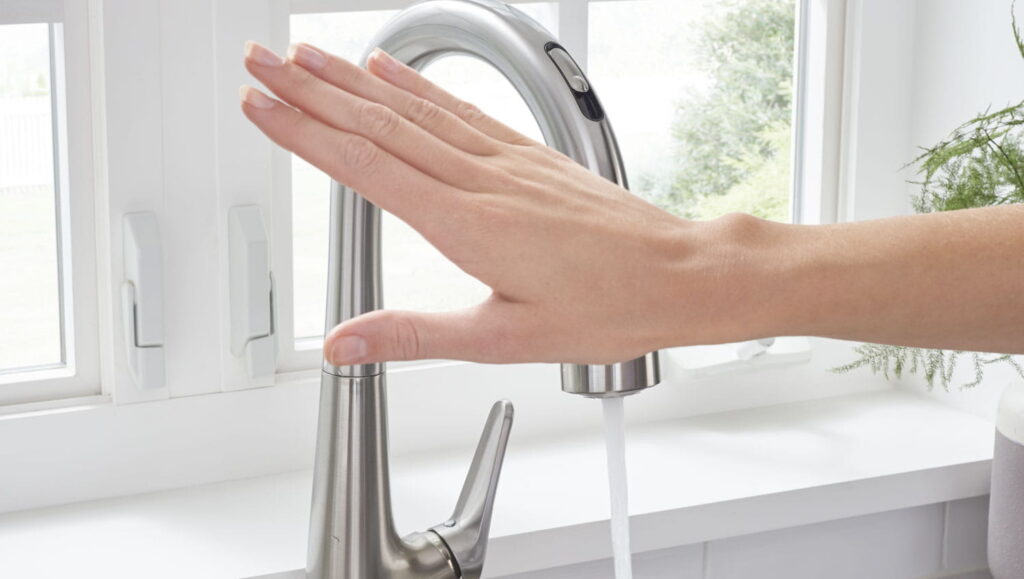
This is the cornerstone of touchless technology. Imagine you’re handling raw chicken, your hands smeared with potential bacteria. With a traditional faucet, you’d inevitably transfer those germs to the handles. A touchless faucet, however, allows you to activate the water flow simply by waving your hand or placing your pot beneath the spout. No contact, no transfer. This simple act breaks the chain of contamination at one of its most vulnerable links, keeping your faucet – and subsequently, your hands after washing – demonstrably cleaner.
2. Preventing Cross-Contamination: A Shield for Your Food
Cross-contamination during food preparation is a genuine health concern. When you move from chopping raw meat to rinsing vegetables, or from handling dirty dishes to filling a water glass, the potential for spreading harmful bacteria is immense. A touchless faucet acts as a silent guardian, ensuring that whether your hands are grimy from gardening, sticky from baking, or soiled from cleaning, you can access water without polluting the faucet itself. This dramatically reduces the risk of transferring pathogens from your hands to your food, ultimately safeguarding your family from potential foodborne illnesses.
3. Maintaining a Consistently Cleaner Environment
It’s not just about what you don’t transfer; it’s also about what doesn’t accumulate. Traditional faucet handles, being frequently touched, tend to accumulate grime, water spots, and even soap residue over time, requiring constant wiping and sanitization. A touchless faucet, with its minimal direct contact, stays cleaner for longer. This means less scrubbing for you, and a perpetually more pristine appearance around your sink area, reflecting a higher standard of overall kitchen cleanliness. It’s a "set it and forget it" approach not just to water flow, but to a consistently sanitary environment.

4. A Proactive Shield Against Foodborne Illnesses
The implications for public health, even at the household level, are significant. By minimizing the spread of bacteria like E. coli, Salmonella, and Norovirus, touchless faucets play a proactive role in reducing the incidence of foodborne illnesses. This peace of mind, knowing you’ve taken an active step to protect your loved ones from preventable diseases, is invaluable. For families with small children who are more susceptible to infections or elderly members with weaker immune systems, this added layer of defense is nothing short of a godsend.
Beyond Hygiene: A Plethora of Unsung Benefits
While impeccable hygiene is undoubtedly the star attraction of touchless faucets, their charm extends far beyond germ reduction. These innovative fixtures bring a host of practical advantages that elevate the entire kitchen experience, blending seamlessly into a modern, efficient, and eco-conscious lifestyle.
1. Water Conservation: Every Drop Counts
Here’s a benefit that often flies under the radar but carries significant environmental and financial weight. Traditional faucets are notorious for water waste. Think about those moments when you leave the water running while scrubbing a pot, lathering your hands, or searching for a forgotten utensil. With a touchless faucet, water flows only when needed and stops automatically the moment your hands or object move away. This precise, on-demand water delivery can lead to substantial savings on your water bill and significantly reduce your household’s overall water footprint. It’s an eco-friendly choice that benefits both your wallet and the planet.
2. Unparalleled Convenience: A Helping Hand When You Need It Most
Imagine your hands are covered in raw meat, you’re mid-baking with sticky dough, or you’re wrestling with a giant pot. Reaching for a faucet handle in these moments is not just unhygienic, it’s often cumbersome and messy. A touchless faucet offers true hands-free operation, transforming these common kitchen dilemmas into seamless tasks. It allows for effortless multitasking, letting you focus on the cooking process without interruption or additional mess. This level of convenience, once experienced, quickly becomes indispensable.
3. Aesthetic Appeal & Modern Kitchen Integration
Let’s be honest: good design matters. Touchless faucets, with their sleek lines and often minimalist profiles, instantly elevate the aesthetic of any kitchen. They embody a sense of modern sophistication and intelligent design, seamlessly integrating with contemporary kitchen themes and smart home ecosystems. Beyond the visual appeal, the lack of frequently touched handles means fewer smudges, fingerprints, and water spots, contributing to a consistently polished and inviting look around your sink area.

4. Accessibility for All: Inclusive Design
The beauty of hands-free operation extends beyond simple convenience to genuine accessibility. For individuals with limited mobility, arthritis, or disabilities, operating a traditional faucet can be a painful struggle or even impossible. Touchless faucets remove this barrier, offering an effortless way to access water for everyone in the household, including children, the elderly, or those with temporary injuries. It’s an inclusive design choice that makes the kitchen a more user-friendly space for all.
5. Reduced Mess and Splatter: A Tidy Sanctuary
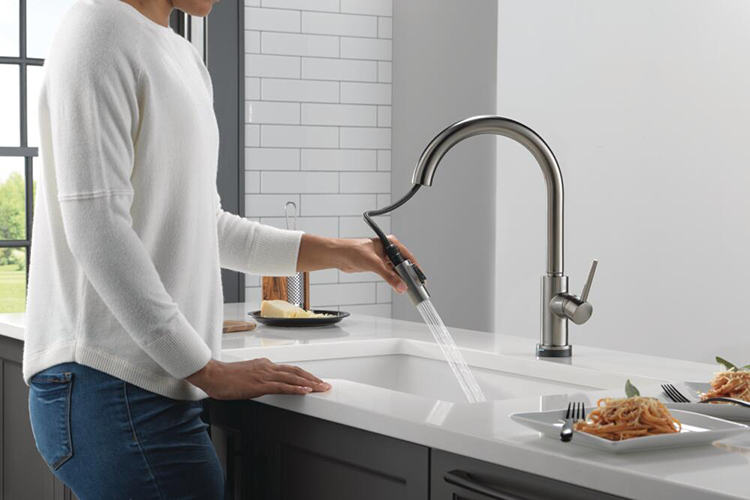
How often do you find yourself wiping down the area around your faucet handles after use? Dripping hands, splashing water – it’s an inevitable part of kitchen life. With a touchless faucet, the water flow starts and stops precisely when needed, minimizing drips and splashes around the fixture. This means a tidier countertop, less frequent wiping, and a cleaner, more organized appearance for your bustling kitchen hub. It’s a subtle perk that significantly contributes to overall kitchen cleanliness and ease of maintenance.
Choosing Your Hygienic Companion: Key Considerations for Touchless Faucets
Ready to make the leap? Excellent! But before you dive in, a little homework goes a long way. Selecting the right touchless faucet involves more than just aesthetics; it’s about functionality, reliability, and ensuring it meets the unique demands of your kitchen life.


1. Sensor Reliability and Responsiveness: The Heart of the Matter
This is arguably the most critical feature. A faucet with a finicky sensor is more frustrating than helpful. Look for models known for quick, consistent, and accurate activation and deactivation. Some sensors have adjustable ranges, allowing you to customize how close your hands need to be. Others might offer dual sensors – one for the top for quick tasks, and one underneath the spout for larger pots – enhancing versatility. Read reviews and consider reputable brands known for their sensor technology.
2. Power Source: Battery vs. AC Adapter
- Battery-Powered: Most common and easiest to install as they don’t require an electrical outlet under the sink. Battery life varies, but modern designs boast impressive longevity (often 1-2 years) and include low-battery indicators. The downside is the need for periodic battery replacement.
- AC Adapter (Plug-in): Offers consistent power, meaning no battery changes. This is a great option if you have an accessible electrical outlet under your sink. However, installation might be slightly more complex if you need to install a new outlet.
- Hybrid/Optional AC: Some high-end models offer the best of both worlds, allowing you to use either batteries or an AC adapter. This provides flexibility and a backup if one power source fails.
3. Material and Finish: Durability Meets Design
Your faucet will endure daily use, so robust construction is paramount. Popular materials include brass and stainless steel for their durability and corrosion resistance. Finishes like chrome, brushed nickel, matte black, and bronze not only dictate the look but also affect maintenance. Brushed finishes tend to hide water spots and fingerprints better than polished ones. Ensure the finish is resistant to tarnishing and easy to clean, contributing to long-term kitchen cleanliness.

4. Spray Functions and Features: Tailoring to Your Needs
Modern faucets often come with an array of features that enhance utility:
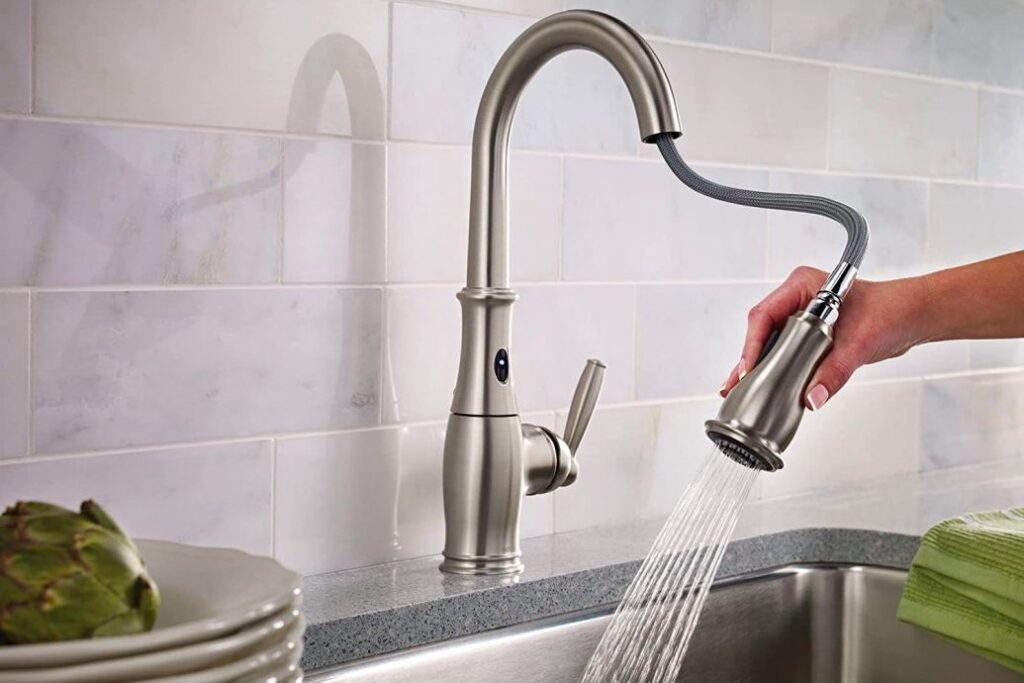
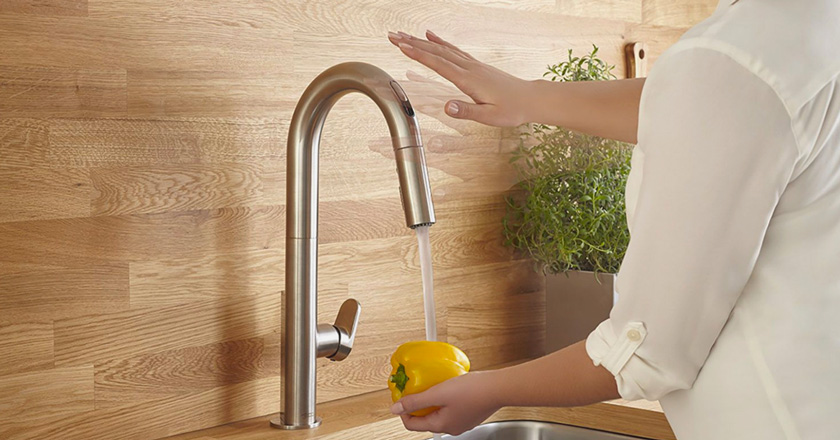
- Pull-down/Pull-out Sprayers: Essential for reaching all corners of the sink and rinsing large items.
- Multiple Spray Modes: From aerated streams to powerful sweeps, these offer versatility for different tasks.
- Temperature Control: While activation is touchless, you’ll still need a way to adjust water temperature, usually via a side lever. Some advanced models even allow for preset temperatures.
- Manual Override: A crucial feature, allowing you to bypass the sensor for extended water flow (e.g., filling a large pot) or in case of power failure.
5. Installation Complexity: DIY or Pro?
While many touchless faucets are designed for DIY installation, especially battery-powered models, understanding the process is key. If you’re replacing an existing faucet, the plumbing connections are usually straightforward. However, if you need to install a new electrical outlet for an AC-powered model or if your current setup is unusual, professional installation might be a wise investment. Consider the space under your sink and accessibility before committing.

6. Budget and Warranty: Protecting Your Investment
Touchless faucets range widely in price, from budget-friendly options to high-end, feature-rich models. While it’s tempting to go for the cheapest, remember that reliability and durability often come with a slightly higher price tag. Consider it an investment in your kitchen’s hygiene and convenience. Always check the warranty – a good warranty indicates a manufacturer’s confidence in their product and offers peace of mind.
Installation & Maintenance: Keeping Your Touchless Faucet in Top Form
Even the most advanced technology requires a little tender loving care to perform optimally. A touchless faucet is no different. Proper installation and routine maintenance are key to ensuring its longevity and consistent performance, thereby continuing its invaluable contribution to your kitchen hygiene.

The Installation Journey: From Box to Brilliance
For the moderately handy homeowner, installing a battery-powered touchless faucet is often a manageable DIY project. The process typically involves:
- Turning Off Water Supply: Crucial first step to avoid aquatic disasters.
- Removing the Old Faucet: Unfastening water lines and mounting nuts.
- Mounting the New Faucet: Securing the base plate and the faucet body.
- Connecting Water Lines: Attaching hot and cold supply lines to the faucet.
- Installing the Control Box/Solenoid Valve: This houses the electronics and connects to the faucet and water lines.
- Connecting the Sensor Cable: Plugging the sensor from the faucet into the control box.
- Installing Batteries (if applicable): Inserting fresh batteries into the designated compartment.
- Testing and Troubleshooting: Turning the water back on, checking for leaks, and ensuring the sensor functions correctly.
If you’re unsure at any point, or if your chosen model requires electrical wiring, don’t hesitate to call a professional plumber or electrician. It’s a small investment for peace of mind and proper functionality.
Routine Cleaning: Gentle Care for Intelligent Design
Maintaining the pristine condition and optimal function of your touchless faucet is surprisingly simple, often even easier than a traditional one due to fewer contact points:


- Regular Wiping: Use a soft, damp cloth with mild soap and water to wipe down the exterior of the faucet. Avoid abrasive cleaners or harsh chemicals, as these can damage the finish and potentially interfere with the sensor.
- Sensor Care: The sensor itself is delicate. Keep the sensor area clean and free of buildup. A quick wipe with a soft, dry cloth is usually sufficient. Avoid spraying cleaners directly onto the sensor.
- Aerator Cleaning: Periodically unscrew and clean the aerator (the mesh screen at the end of the spout) to remove mineral deposits and ensure a smooth, even water flow.
- Battery Replacement: If battery-powered, keep an eye on the low-battery indicator (if present) and replace batteries proactively. Use high-quality alkaline batteries for best performance.
Troubleshooting Common Issues: A Quick Fix Guide
- No Water Flow: Check the water supply valves under the sink. For battery models, replace batteries. For AC models, ensure the power cord is securely plugged in and the outlet is working. Check the solenoid valve for any blockages or issues.
- Intermittent Flow/Sensor Issues: Clean the sensor area to remove any obstructions or grime. Ensure there’s nothing reflective nearby that might be interfering with the sensor. Adjust the sensor range if your model allows.
- Low Water Pressure: Check the aerator for clogs. Ensure the water supply valves are fully open.
Most manufacturers provide detailed troubleshooting guides, so always refer to your specific model’s manual for precise instructions.
The Future is Hands-Free: Integrating Touchless Technology into a Smart Kitchen
The embrace of touchless faucets isn’t an isolated trend; it’s a significant stride in the larger movement towards the smart, connected, and ultimately, healthier home. As our lives become increasingly intertwined with technology, the kitchen, ever the hub of activity, is naturally evolving into a more intelligent space.
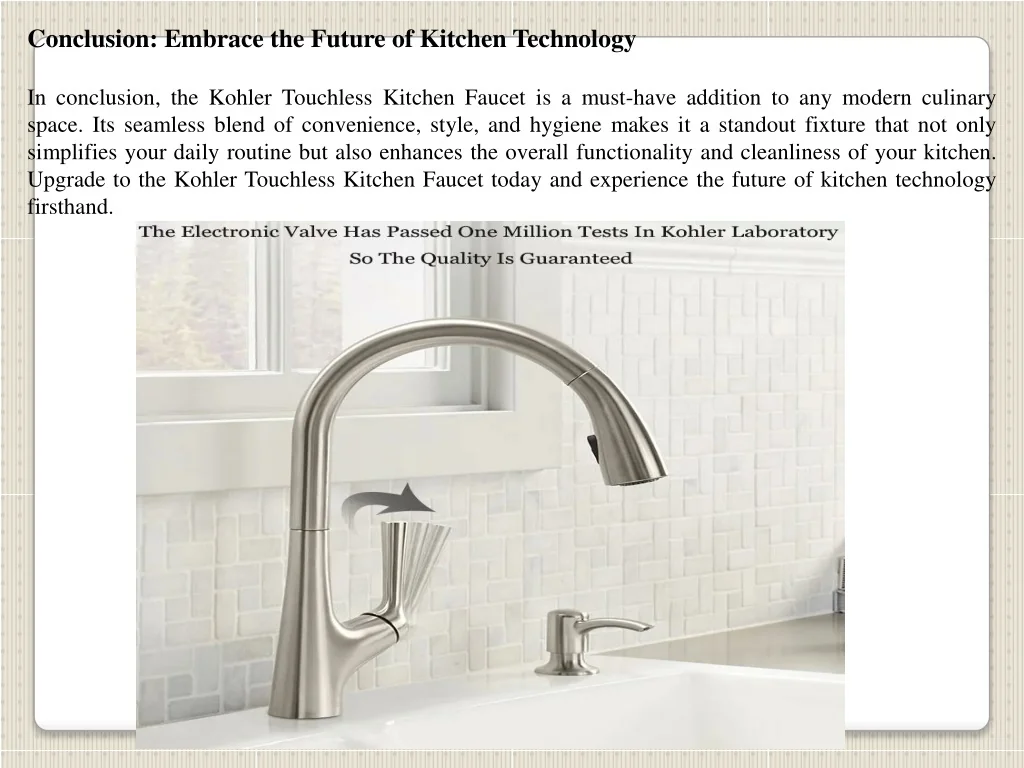
Think beyond just a touchless faucet. Imagine voice-activated lighting, smart ovens that preheat remotely, refrigerators that track inventory, and even waste bins that open with a wave. A touchless faucet fits perfectly into this ecosystem, offering a seamless and intuitive interaction point that enhances overall convenience and efficiency. It’s about reducing friction in daily tasks, creating an environment where technology silently supports our well-being and productivity.

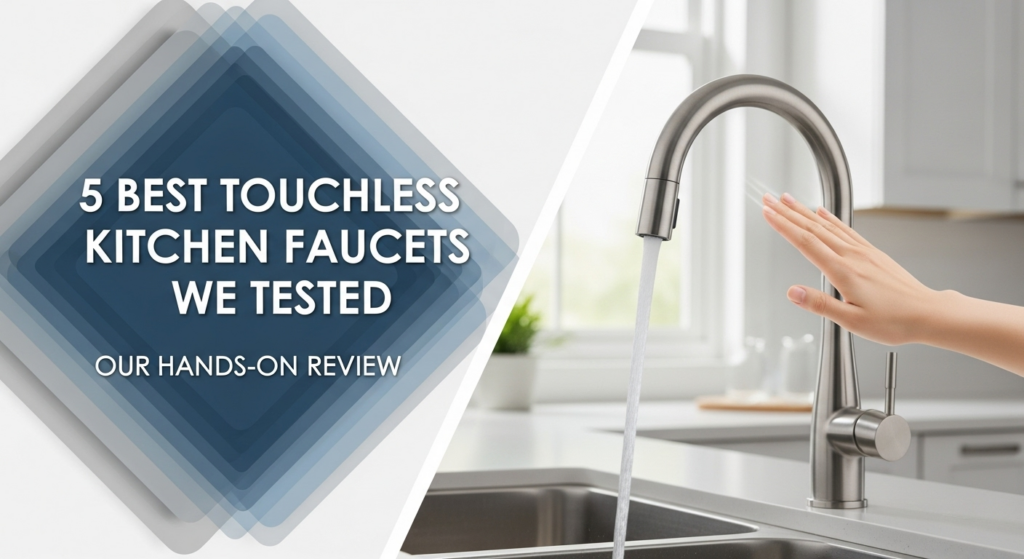
Furthermore, this integration isn’t just about bells and whistles; it reinforces the core tenet of hygiene. A kitchen designed with smart, touchless elements inherently minimizes human contact with communal surfaces, thereby elevating the overall sanitary standard of the entire space. It’s a holistic approach to creating a germ-reduced environment, marrying innovation with practical health benefits.

Addressing Common Concerns & Myths: Separating Fact from Fiction
It’s natural to have questions and even some skepticism when considering new technology for your home. Let’s tackle some of the most common concerns surrounding touchless faucets:
-
“Are they overly sensitive? Will they turn on every time I walk by?”
Early models might have had this issue, but modern touchless faucets are far more refined. Their sensors are typically calibrated to detect hands or objects directly beneath or very close to the spout, significantly reducing accidental activations. Many also have adjustable sensitivity settings, allowing you to fine-tune them to your kitchen’s specific layout and traffic patterns. Rest assured, you won’t be constantly battling a rogue water stream.
Touchless Kitchen Faucet Imperium Touch Kitchen Faucet With Pull Out -
“What if the power goes out, or the batteries die?”
This is a perfectly valid concern. Thankfully, most reputable touchless faucets include a manual override feature. This means there’s usually a small lever or button that allows you to operate the faucet traditionally, ensuring you’ll never be without water, even if the power is out or the batteries have given up the ghost. For battery-powered units, a low-battery indicator typically gives you ample warning to replace them before they completely run dry.
-
“Are they difficult to maintain or more prone to breaking?”
Quite the contrary! As discussed, touchless faucets often require less surface cleaning because they aren’t constantly handled. While they do have electronic components, modern designs are built for durability and are surprisingly robust. The key components, like the solenoid valve, are designed for hundreds of thousands of cycles. With proper installation and routine care (like keeping the sensor clean and replacing batteries), they are as reliable, if not more so, than their traditional counterparts.
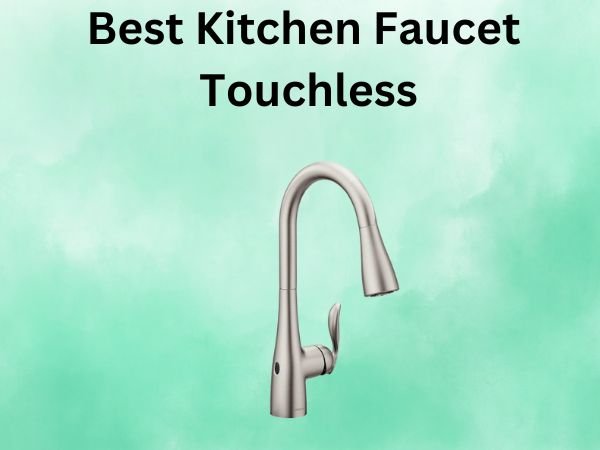
What Is The Best Kitchen Faucet Touchless [In 2026] -
“Are they expensive to run or repair?”
While the initial investment for a touchless faucet might be slightly higher than a basic traditional model, the long-term benefits often outweigh the cost. The water conservation aspect can lead to savings on utility bills. Battery replacements are a minor expense, and given their robust construction, major repairs are not frequent. Moreover, the enhanced hygiene and convenience are invaluable benefits that don’t have a direct monetary tag.


Conclusion: Embracing a New Era of Kitchen Cleanliness
The journey through the world of touchless faucets reveals far more than just a convenient gadget; it uncovers a pivotal shift in how we approach kitchen hygiene, family health, and sustainable living. From the insidious spread of bacteria on traditional handles to the silent, efficient prevention offered by motion-sensing technology, the case for making the switch is overwhelmingly compelling.
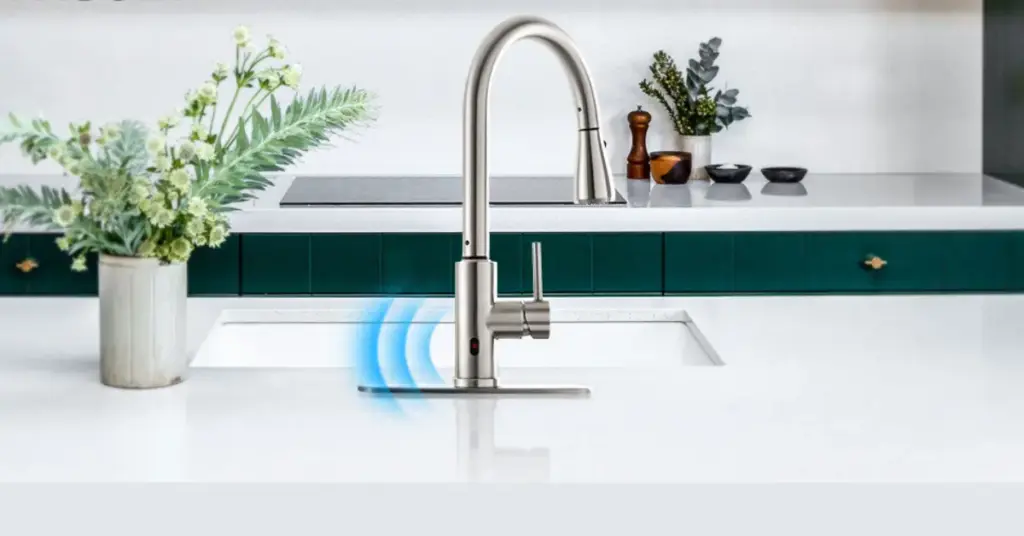
Touchless faucets are not merely a luxury; they are an intelligent investment in a healthier, more convenient, and more environmentally conscious home. They actively break the chain of cross-contamination, safeguarding your family from foodborne illnesses. They conserve precious water resources, contributing to a greener planet and a lighter utility bill. They offer unparalleled ease of use, making daily kitchen tasks a breeze for everyone, regardless of age or ability. And they do it all with a sleek, modern aesthetic that elevates the very heart of your home.
In an age where health and wellness are paramount, and smart technology seamlessly integrates into our lives, the touchless kitchen faucet stands out as an unsung hero. It’s a testament to how thoughtful design and innovative engineering can profoundly impact our daily routines, fostering a cleaner, safer, and more enjoyable culinary sanctuary. If you’re serious about elevating your kitchen’s cleanliness standards, embracing cutting-edge convenience, and investing in your family’s well-being, the time to consider a touchless faucet is now. It’s a small change that promises monumental returns, ensuring your kitchen remains the truly hygienic and inviting heart of your home.